Cyclone Separator Simulation Software
Cloud-native simulation to test and validate cyclone separator designs iteratively and easily
Predict pressure drop, vortex behavior, and separation risk for gas cyclones, dust collectors, and hydrocyclones directly in your browser, without hardware or installation.

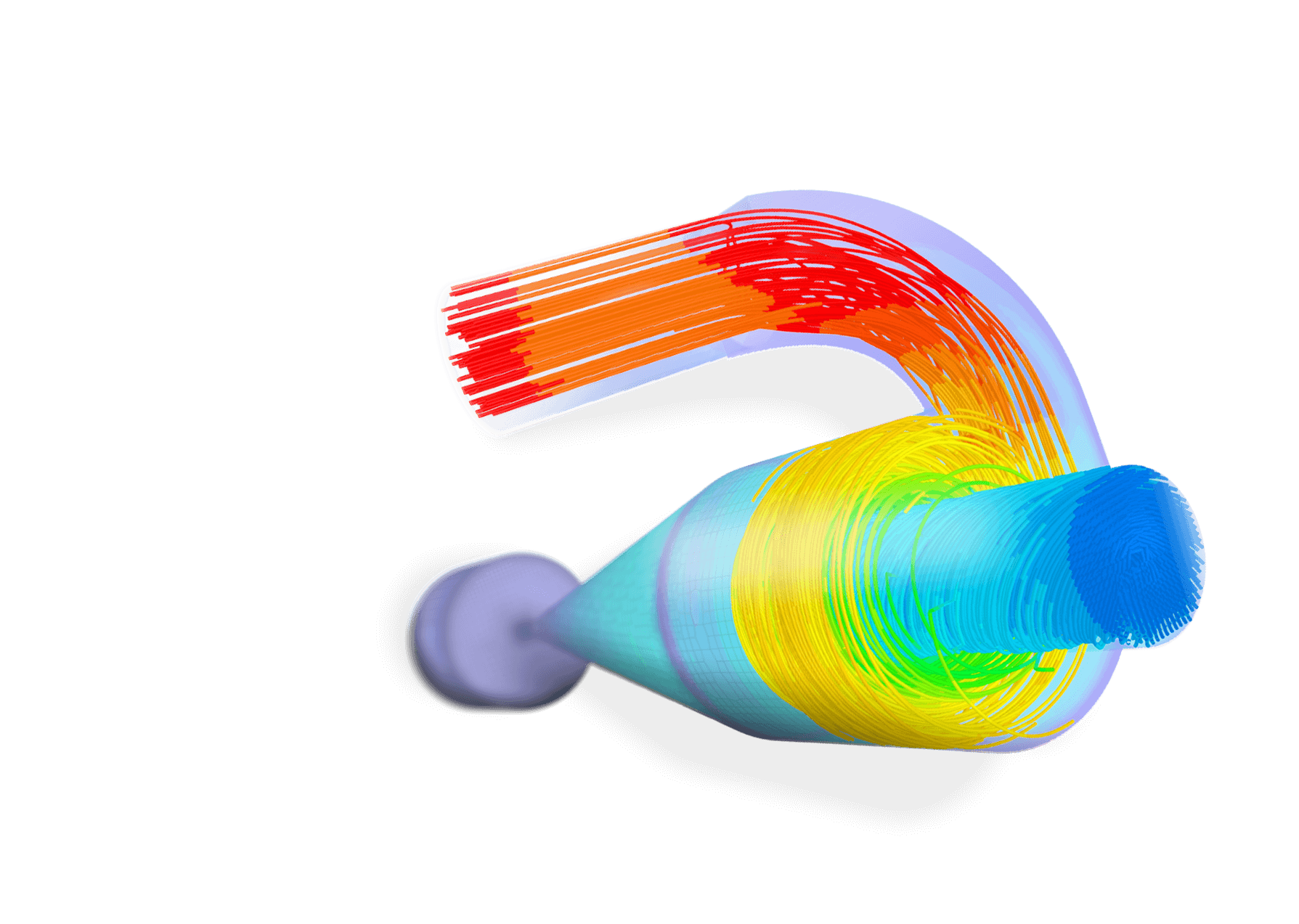












Simulation allows engineers to validate cyclone separator designs before expensive physical prototypes are built. But the high cost of hardware and steep learning curves of traditional, on-premises tools leave many designers feeling that simulation is not an option. SimScale runs CFD, FEA, and thermal analysis in one cloud-native platform, so engineers can simulate as early as possible in the design process for more iterations and improvements.
Cyclone separator simulation that covers your full design challenge
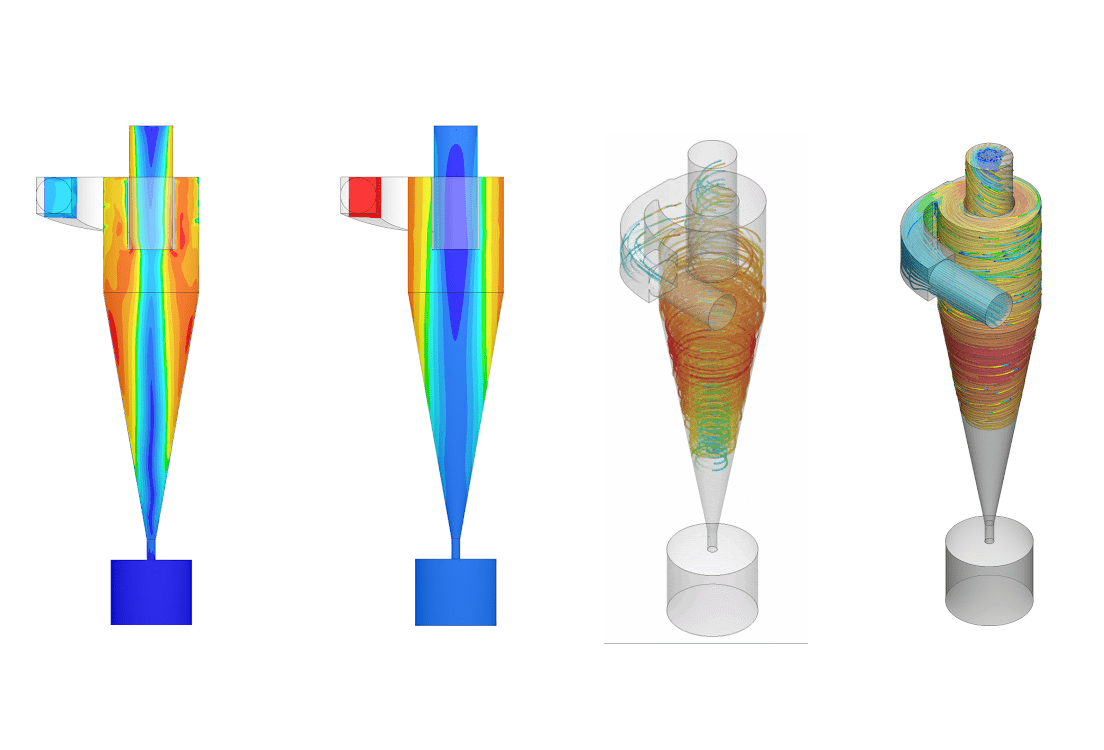
Multiphysics cyclone separator simulation: CFD, FEA, and thermal in one platform
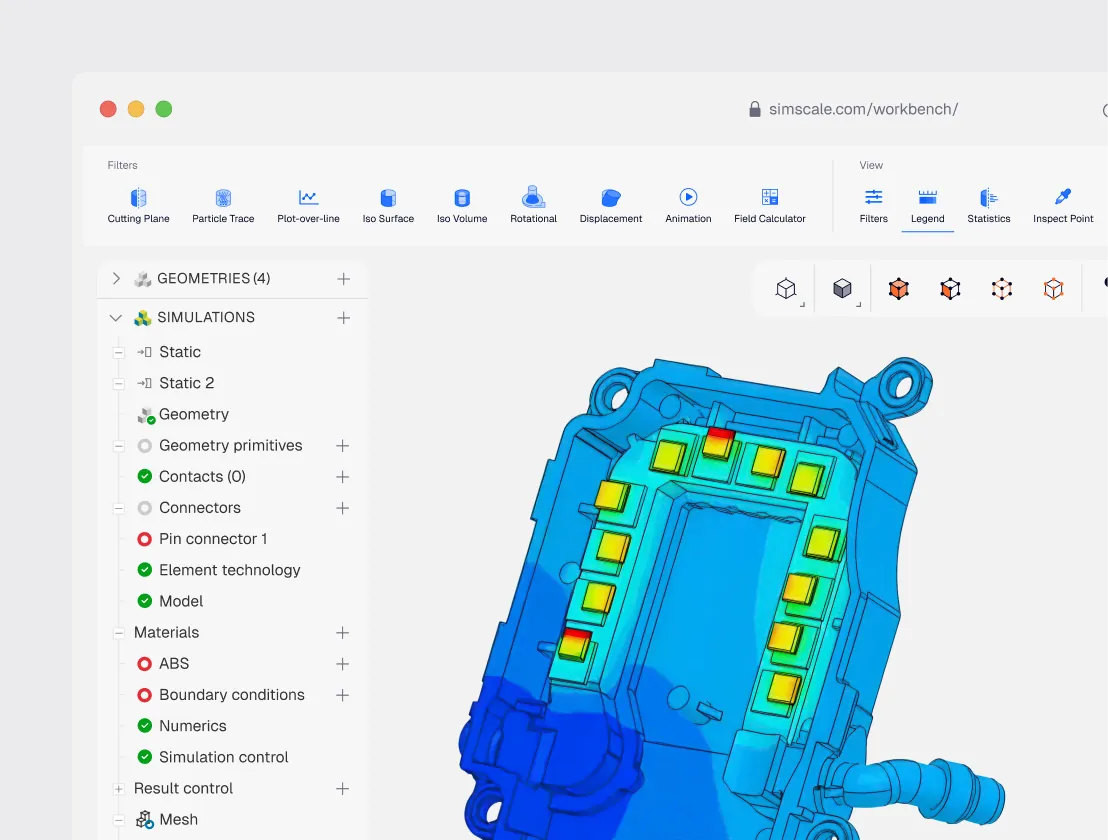
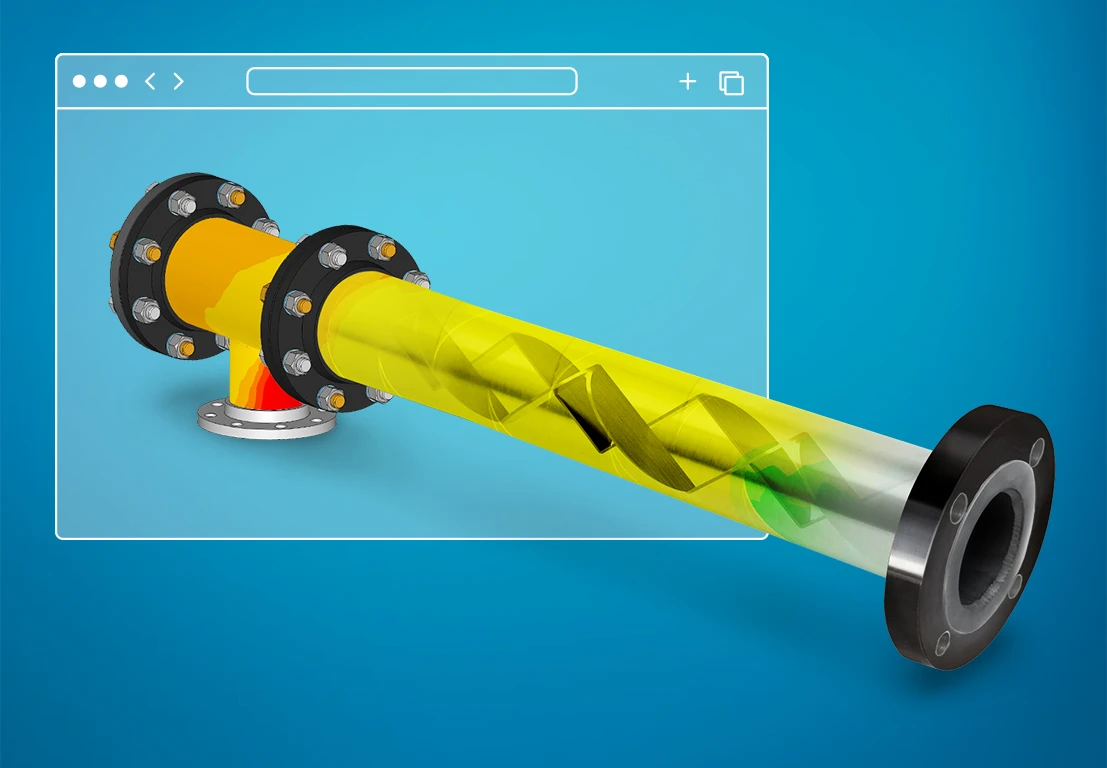
A cyclone is a swirl chamber, a steel structure, and often a hot-gas duct. SimScale runs CFD on the separator flow, FEA on the shell, supports, and inlet ducting, and thermal analysis on high-temperature cyclones such as kiln preheaters, all on the same CAD model in one project.
AI-native cyclone separator design optimization
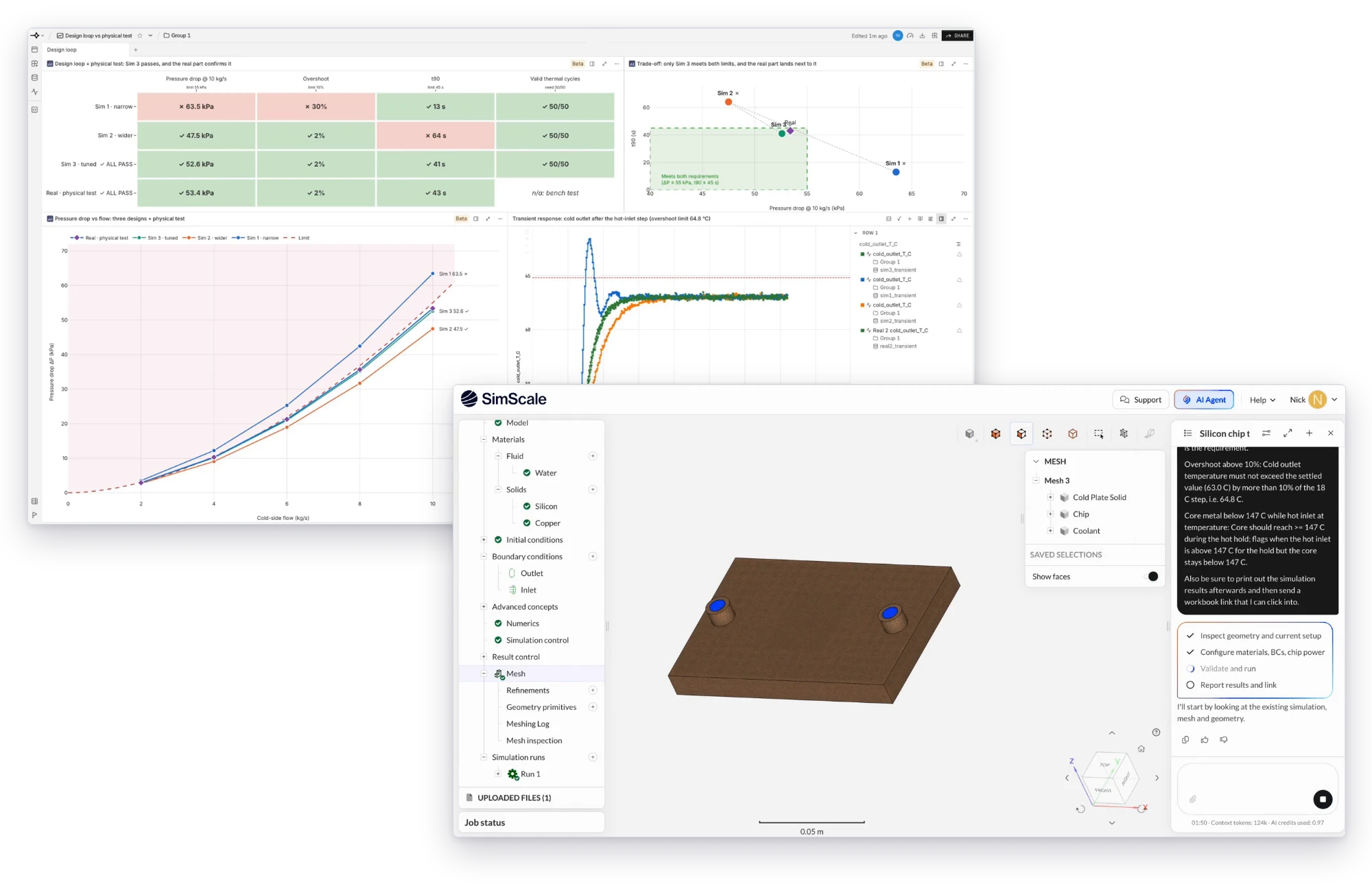
Engineering AI automates simulation setup, meshing, and post-processing on cyclone geometries. Physics AI delivers near-instant predictions trained on high-fidelity simulation data, so engineers can sweep inlet, vortex finder, and cone variants in seconds before committing to a full CFD run.
Cloud simulation: more variants, faster
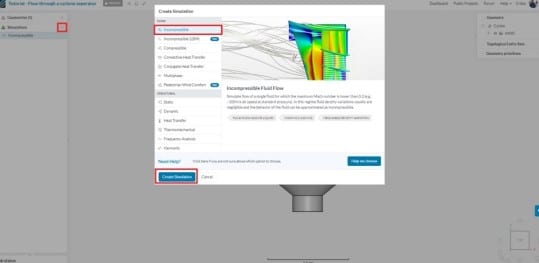
Run multiple simulations in parallel for faster design iteration, without on-prem HPC, VPN, or per-seat license ceilings. Get started quickly with an easy-to-learn interface in the browser, and avoid manual updates, installation, or maintenance.
Cyclone pressure drop and fan energy
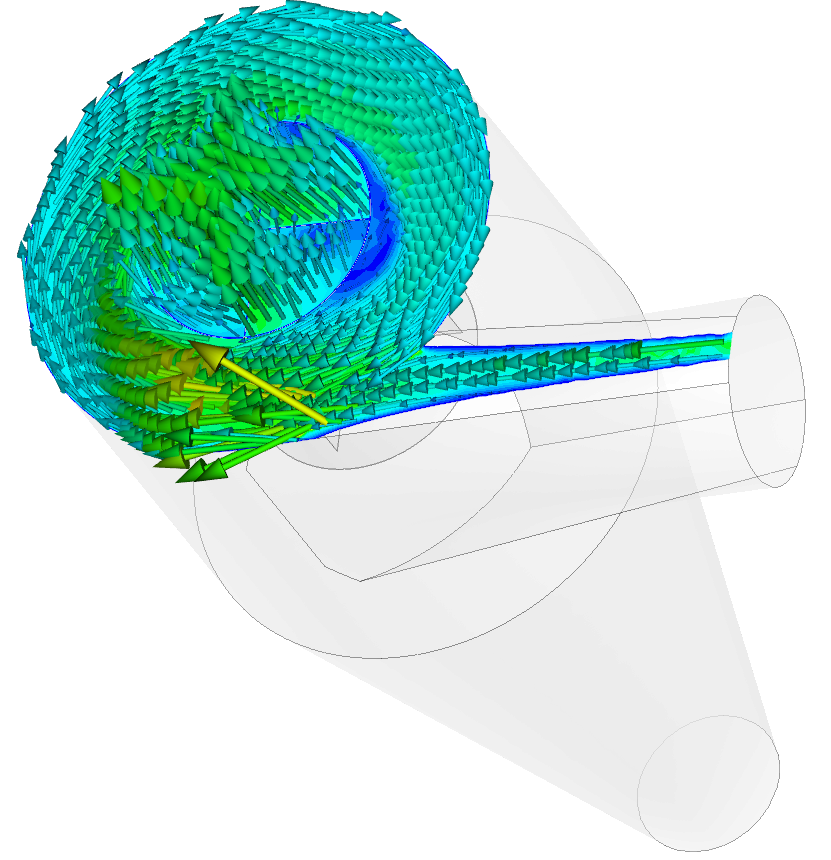
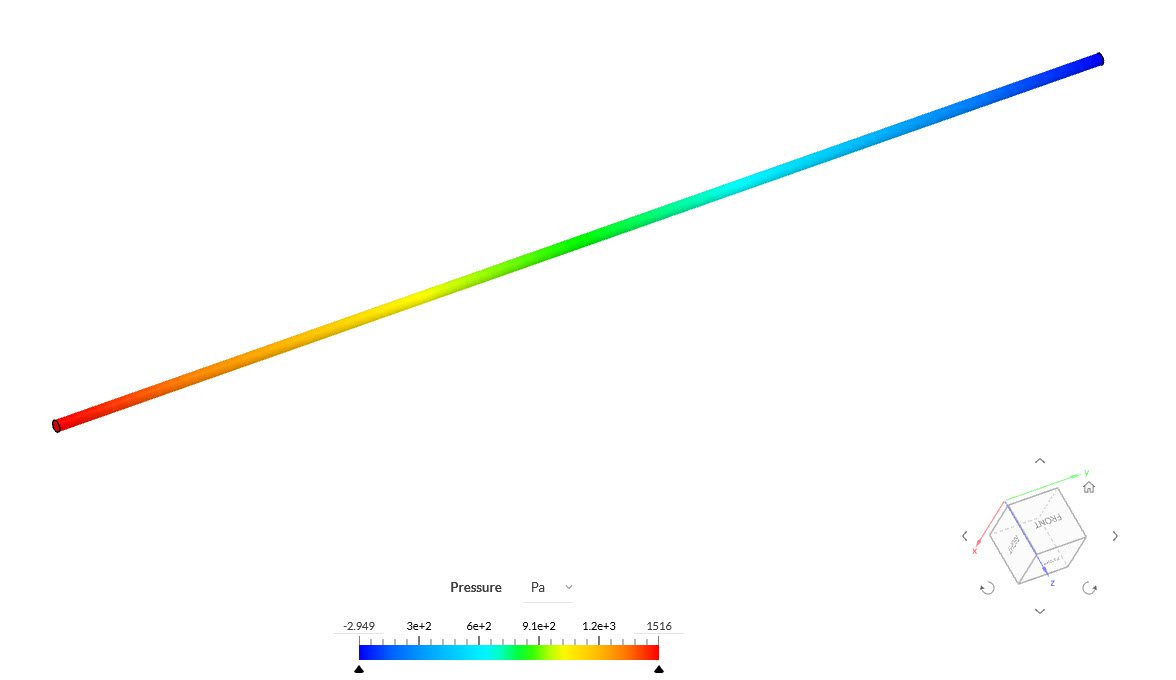
Predict pressure drop from inlet to vortex finder outlet across your operating range and size the fan to match. Run incompressible, steady-state airflow simulations and see how pressure drop changes with inlet velocity and dust concentration. KREYENBORG used CFD to cut its exhaust-air cyclones’ pressure drop and fan energy.
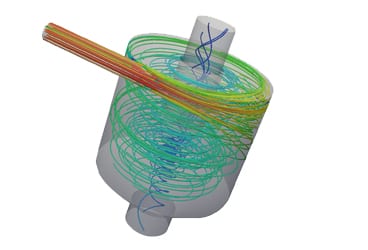
Inlet, vortex finder, and cone geometry
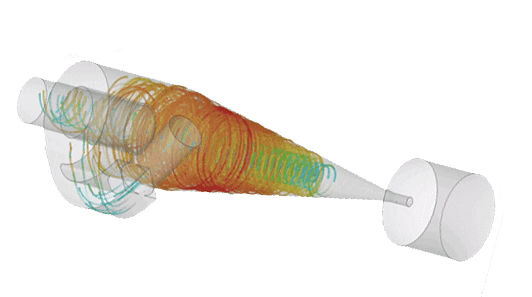
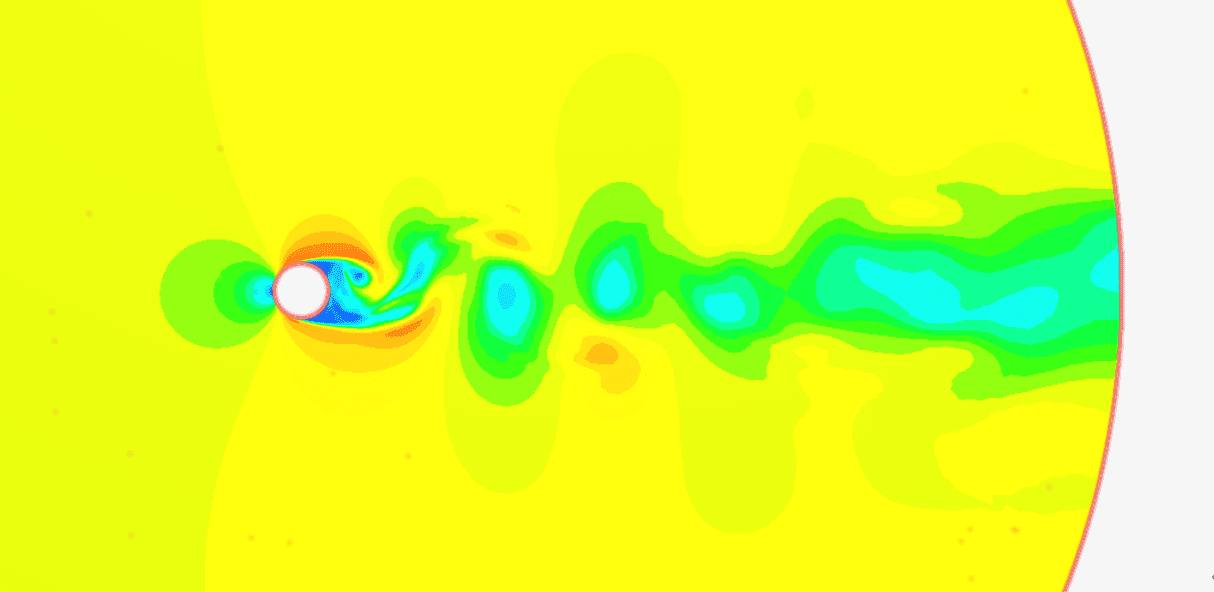
See the outer and inner vortex, the tangential velocity profile, and short-circuit flow under the vortex finder. Compare inlet height and width, vortex finder diameter and length, and cone angle side by side to balance pressure drop against separation.
Dust hopper and vortex breaker design
Check where the vortex end touches the cone wall and whether swirl reaches the dust outlet, two common causes of re-entrainment and wall wear. Test vortex breakers, hopper geometry, and dust outlet sizes before fabrication.
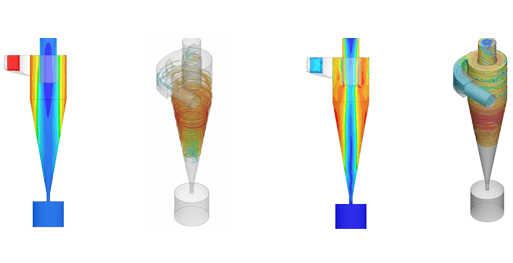
Hydrocyclone and gas-liquid cyclone design
Model liquid cyclones with the VOF multiphase solver: the air core in a hydrocyclone, the overflow and underflow split, and cyclonic gas-liquid separation in oil and gas separators. The same workflow covers lubricating fluid, industrial water treatment, and desanding.
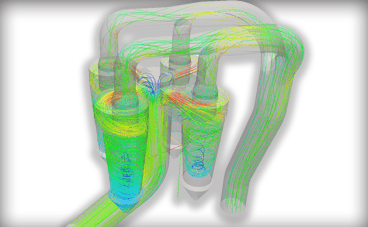
Multi-cyclone and cyclone cluster flow distribution
Parallel cyclones only perform as designed when each one gets its share of flow. Simulate the inlet manifold and outlet plenum of multi-cyclone dust collectors and hydrocyclone clusters to balance flow split and pressure drop across every unit.
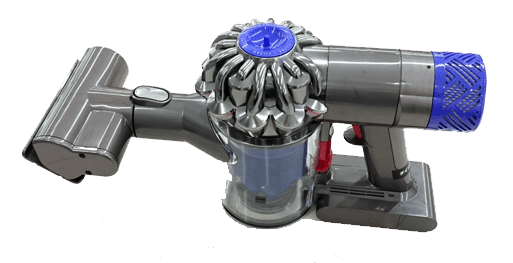
Dust collection and extraction systems
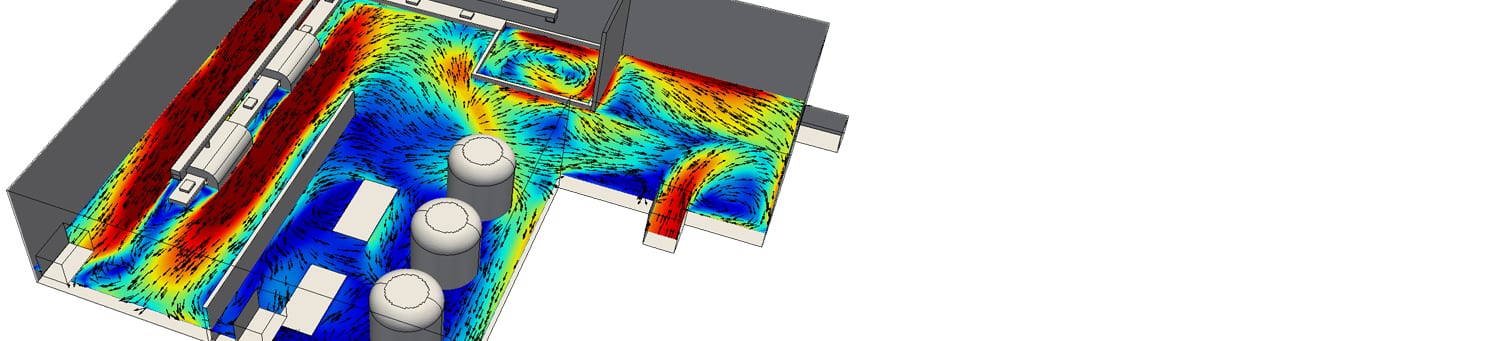
Simulate the full extraction line, from capture hood through ductwork to cyclone and fan, for sawmills, extraction hoods, and vacuum cleaners. Find the system losses and capture velocities that decide whether the cyclone sees its design flow.

25%
cost reduction from the new airflow design
“Our engineering activities are underpinned by using SimScale for CFD simulations to calculate pressure drop and air distribution in various machines and components. Verifying performance in SimScale is now the de-facto workflow before moving to prototype stage and manufacturing and this has reduced labor costs.”
Karsten Sprenger, CTO at KREYENBORG

20%
less energy for a redesigned process eductor
“Be confident in SimScale! The solution is easy to learn and taking advantage of the live chat support is a must, with very short answering delay and valuable input!”
Jean-François Le Coz, Technology Development Manager at Axens

Hundreds of hours
of training and simulation time saved on slurry and particle-suspension design
“Using SimScale provides the team with the ability to produce solutions to complex problems for our clients so that we can deliver their performance with confidence.”
Michael Jeffs, Senior Mechanical and Project Engineer at Zenito
Related resources
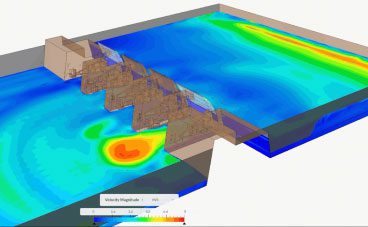
Multiphase Flow in CFD: Basics and Modeling
Multiphase flow is an important topic in CFD. Most of the engineering problems include interactions among matters such as water, air, and oil.

Kanchan Garg
December 15, 2017
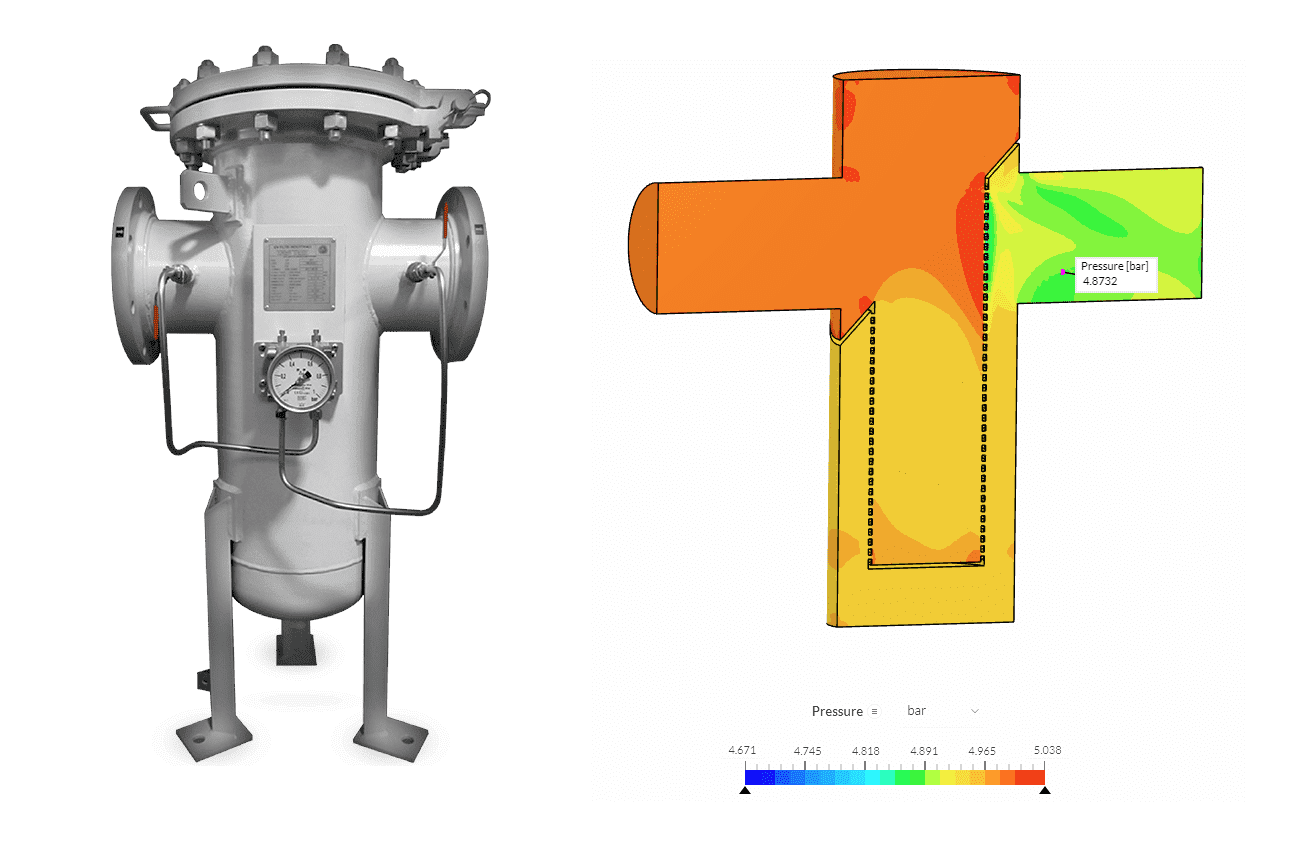

Alex Graham
May 19, 2025
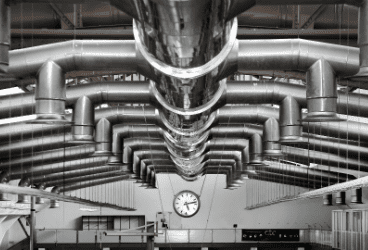
Industrial Ventilation: Testing Exhaust Fume Extraction System Designs
Clean, uncontaminated air is essential in any industrial work environment. Test fume extraction with computational fluid dynamics.

Anastasia Churazova
August 13, 2018

Peter Selmeczy
December 19, 2018
Peter Selmeczy
December 19, 2018
Peter Selmeczy
December 16, 2018
February 10, 2025

Milad Mafi
May 24, 2018

Samir Jaber
August 20, 2024
Peter Selmeczy
July 9, 2026
Peter Selmeczy
March 24, 2026
Peter Selmeczy
September 10, 2025
Peter Selmeczy
November 19, 2026
Peter Selmeczy
November 12, 2026
Peter Selmeczy
September 23, 2026
FAQs
New to cyclone separator simulation or evaluating SimScale? Here are the questions we hear most.
ContactCyclonic or particle separation is a process used to extract specifically identified particulates from a fluid stream (air, gas, or liquid). A cyclone separator forgoes filters and instead relies on vortex separation. A hydrocyclone is used for liquid, a gas cyclone for gas, and a dust or air cyclone separator for air fluid streams.
Cyclone separator simulation uses CFD to predict the swirling flow inside a cyclone before it's built: pressure drop, velocity field, vortex structure, and the flow paths that decide separation performance. Engineers use it to compare inlet, vortex finder, cone, and hopper designs without building a prototype for each.
SimScale solves the full pressure and velocity field, so inlet-to-outlet pressure drop comes straight from the results (how to assess pressure drop). For separation, engineers compare designs on the flow features that drive it: tangential velocity, short-circuit flow under the vortex finder, swirl in the dust hopper, and particle traces.
Cyclone flow is strongly swirling, so the turbulence model matters. SimScale offers k-omega SST and k-epsilon RANS models for fast design comparisons, and LES to resolve the vortex core and its unsteady behavior when accuracy matters more than run time.
Gas and dust cyclones, multi-cyclones, and hydrocyclones, in use cases including sawmills to remove sawdust, oil refineries, kiln preheaters, vacuum cleaners, extraction hoods, high-pressure washing devices, lubricating fluid, and industrial water treatment.
Import CAD from SolidWorks, CATIA, Onshape, or STEP files directly in the browser. SimScale extracts the internal flow volume from the cyclone geometry, so there's no separate CAD-cleanup or meshing tool in the loop.
Copy one of the public cyclone separator projects into your workspace and run it in the browser right after sign-up. Real-time support sits inside the project for setup, meshing, and physics questions, and there's nothing to install and no HPC or VPN to set up.