Industries


Electronics & High Tech Simulation
Design Electronics That Run Cool, Last Longer, and Reach Market Faster
SimScale’s AI-native cloud platform gives electronics engineers instant access to thermal, structural, and fluid simulation, directly from a browser. Test cooling strategies, identify hotspots, and validate structural integrity across hundreds of design variants in parallel, before the first prototype is built.




SimScale enables electronics engineers to simulate thermal behavior, electromagnetic performance, structural loads, and fluid flow in a single browser-based platform.
How SimScale benefits Electronics & High Tech
Catch thermal issues at design, not at prototype
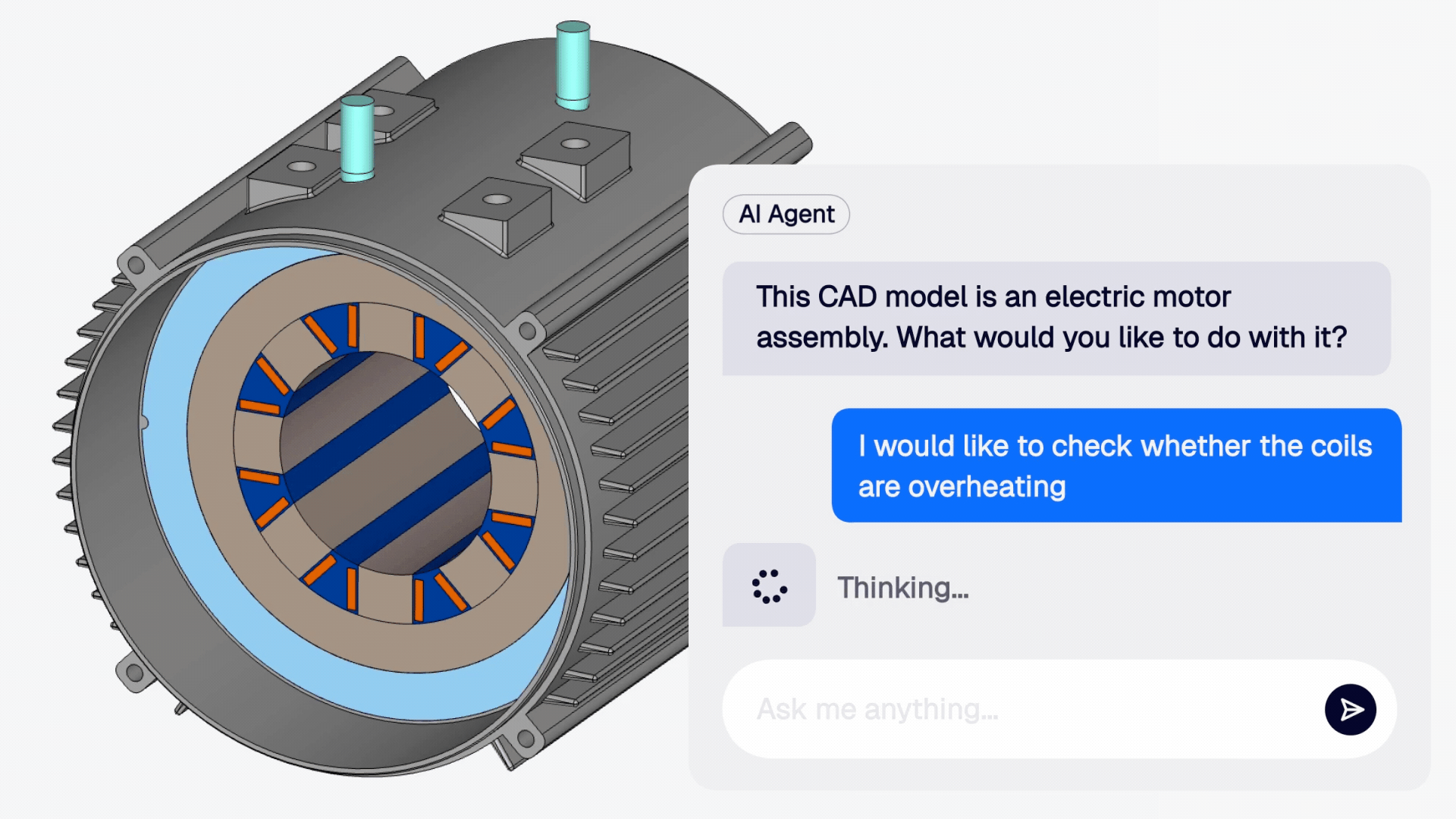
Stop discovering overheating problems at prototype stage. SimScale lets electronics engineers run cooling simulations (natural convection, forced air, and liquid cooling) from the earliest design phase, using the same CAD model throughout the product development cycle.
Test more configurations in less time
Run multiple cooling strategies, heat sink geometries, and enclosure designs in parallel. No HPC queues, no waiting. Physics AI goes further: once trained on your simulation data, it delivers near-instant predictions for design variations in seconds, with no solver run required.
All physics, one model
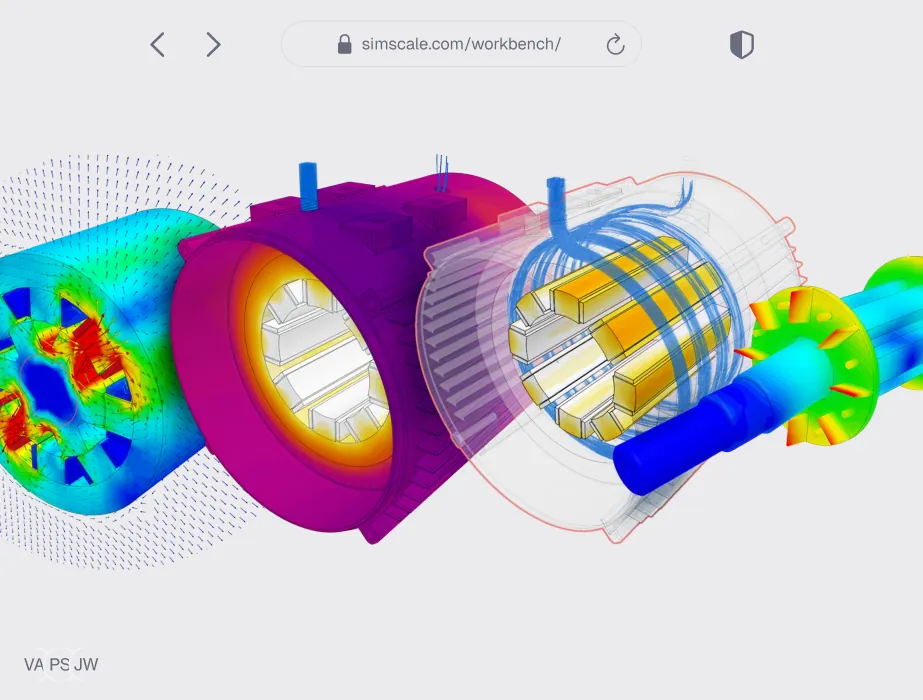
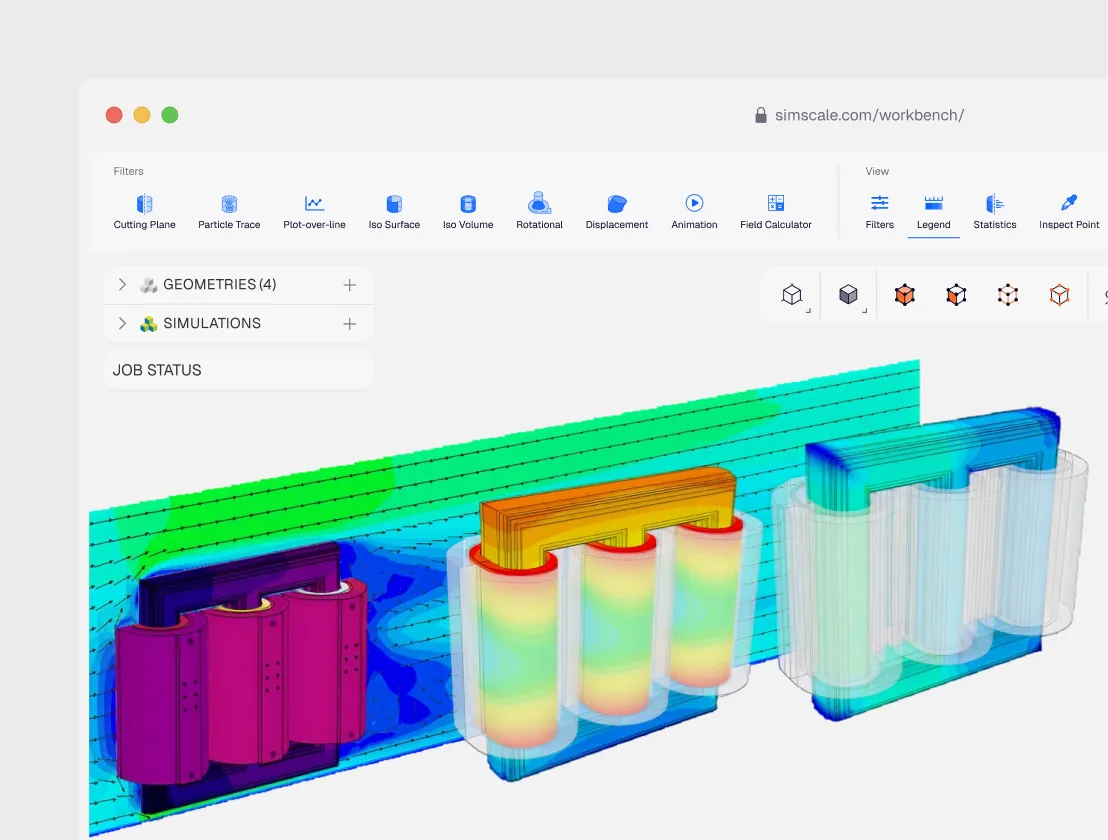
SimScale handles thermal, structural, fluid flow, and electromagnetic analysis in a single platform. No need to export geometry between tools or reconcile results from different solvers. One CAD model, every physics type, one platform.
Flow, thermal, structural, and electromagnetics in one platform
Cloud-native parameterization
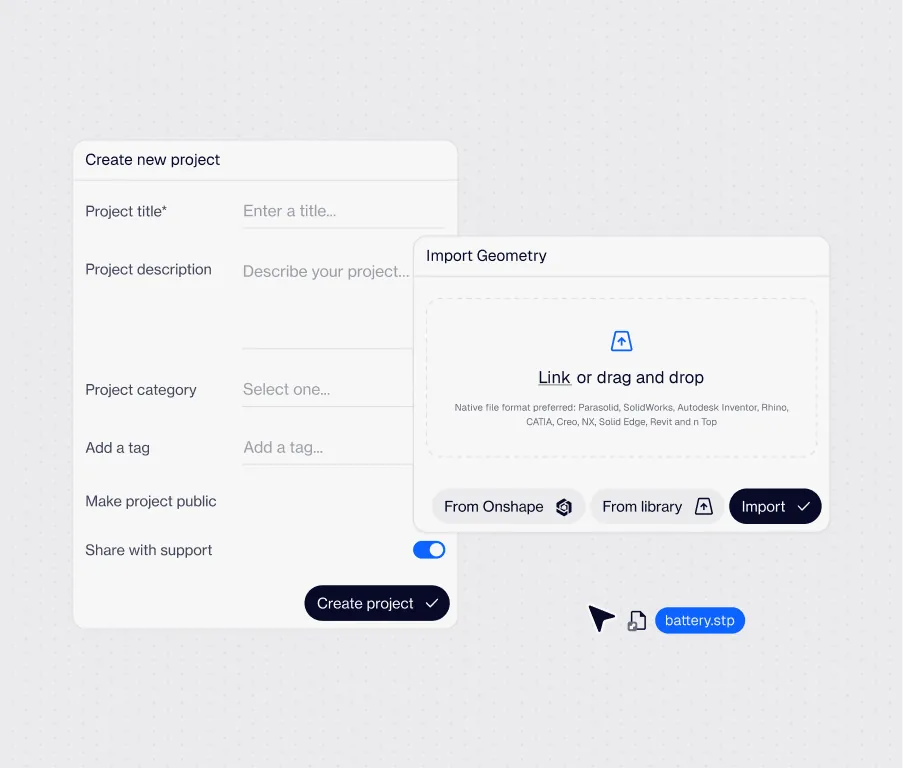
Run hundreds of design variants in parallel (different geometries, materials, or boundary conditions) without HPC queues or IT overhead. Models import from any major CAD tool directly in the browser. Automatic meshing removes the biggest manual bottleneck in the setup process, and Engineering AI applies physics-appropriate mesh settings and workflow templates automatically. Engineers spend time on design decisions, not setup.
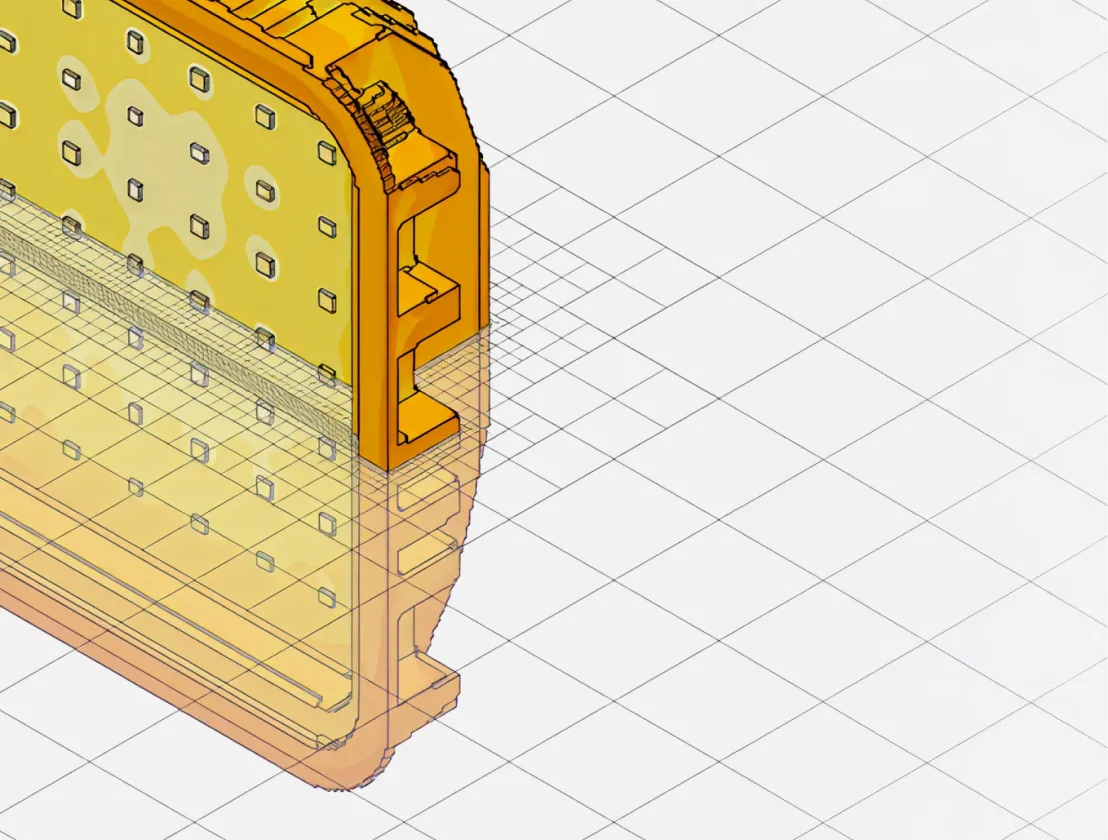
Advanced meshing with immersed boundary analysis
Allows for the simulation of heat transfer between solid and fluid domains by exchanging thermal energy at the interfaces between them. The Immersed Boundary Method (IBM) is based on a cartesian grid in which the geometry gets immersed into. Therefore it is resilient to geometrical details and does not require CAD simplification even for very complex models.
Solver speed & accuracy
SimScale meets and in many cases exceeds the accuracy of traditional CAE simulation tools (speed does not compromise accuracy). Advanced analysis capabilities using a custom implementation of OpenFOAM bolstered by additional state-of-the-art meshing and post-processing tools. Extensive materials library and ability to import manufacturer’s data. Physics AI augments the full-fidelity solver: once trained on a customer’s own simulation data, it delivers millisecond-level predictions within ~% of full solver accuracy — enabling rapid iteration before committing to a complete solve.
Ease-of-use
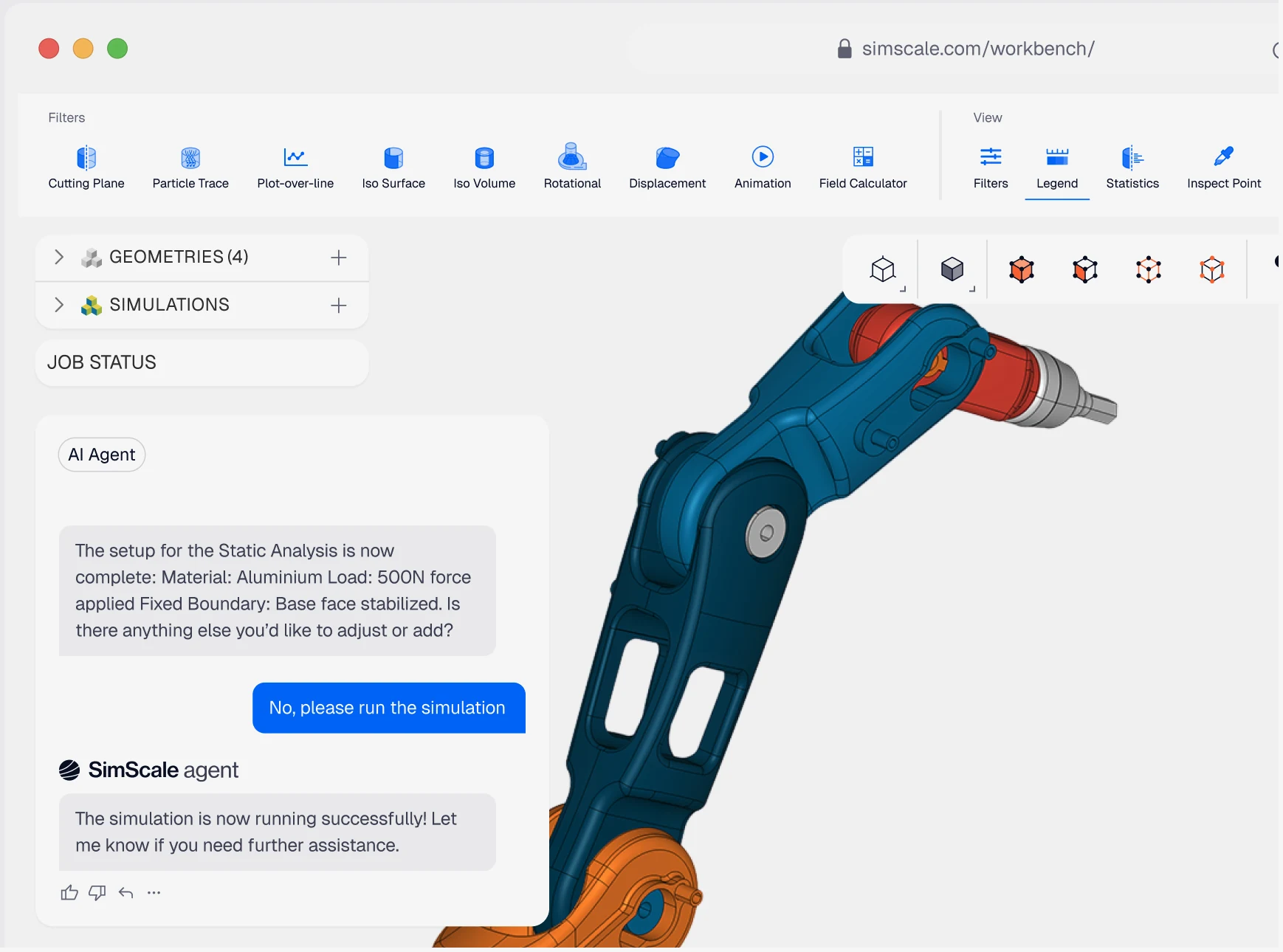
SimScale takes away the complexity of preparing imported geometry and allows designers to focus on analysis by providing an intuitive, automated, and robust UI that reduces person-hours required for simulation, and also makes it accessible to non-experts/designers.
– Easy CAD import
– Auto meshing and manual refinement where needed
– A guided workflow for simulation setup including a library of templates
– Automatic results post-processing, statistical results, and image generation including plots, images, and animations.
Applied across the electronics product stack
From board-level thermal to system-level electromagnetic analysis, SimScale covers the full scope of electronics simulation.
Heat transfer analysis
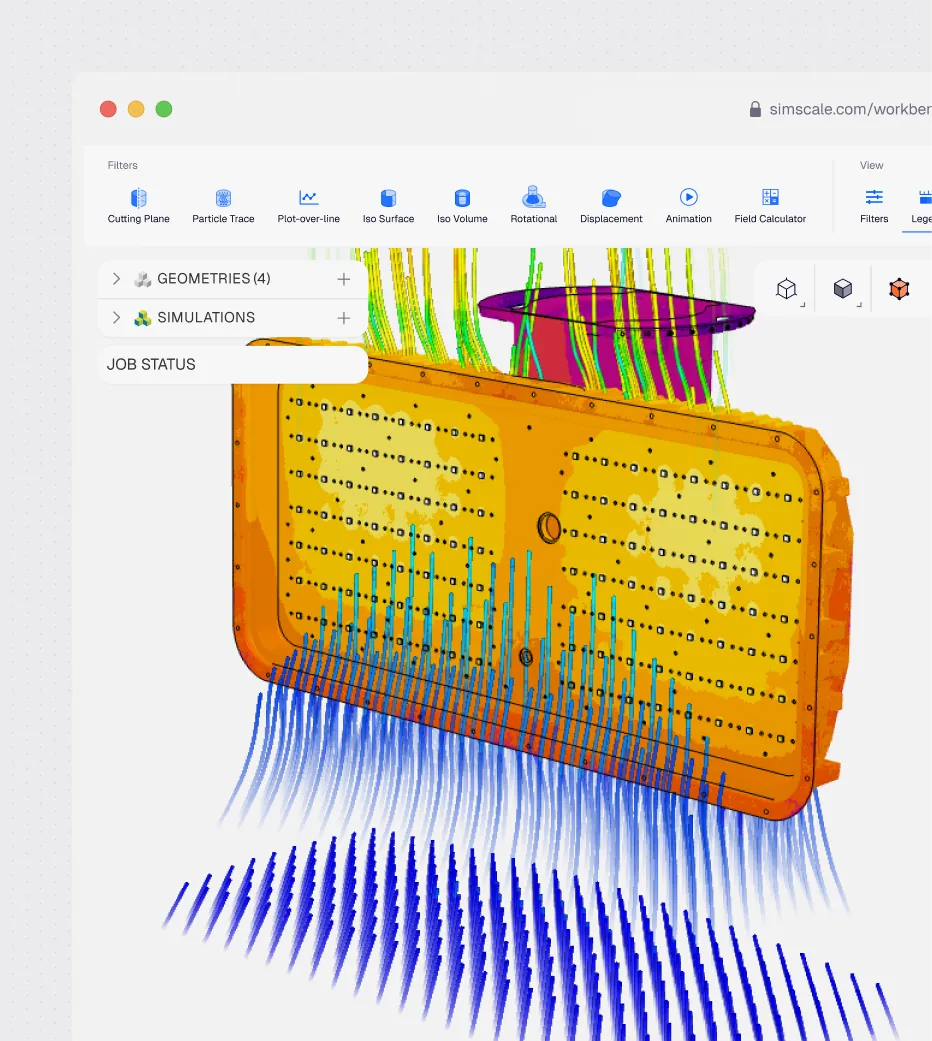
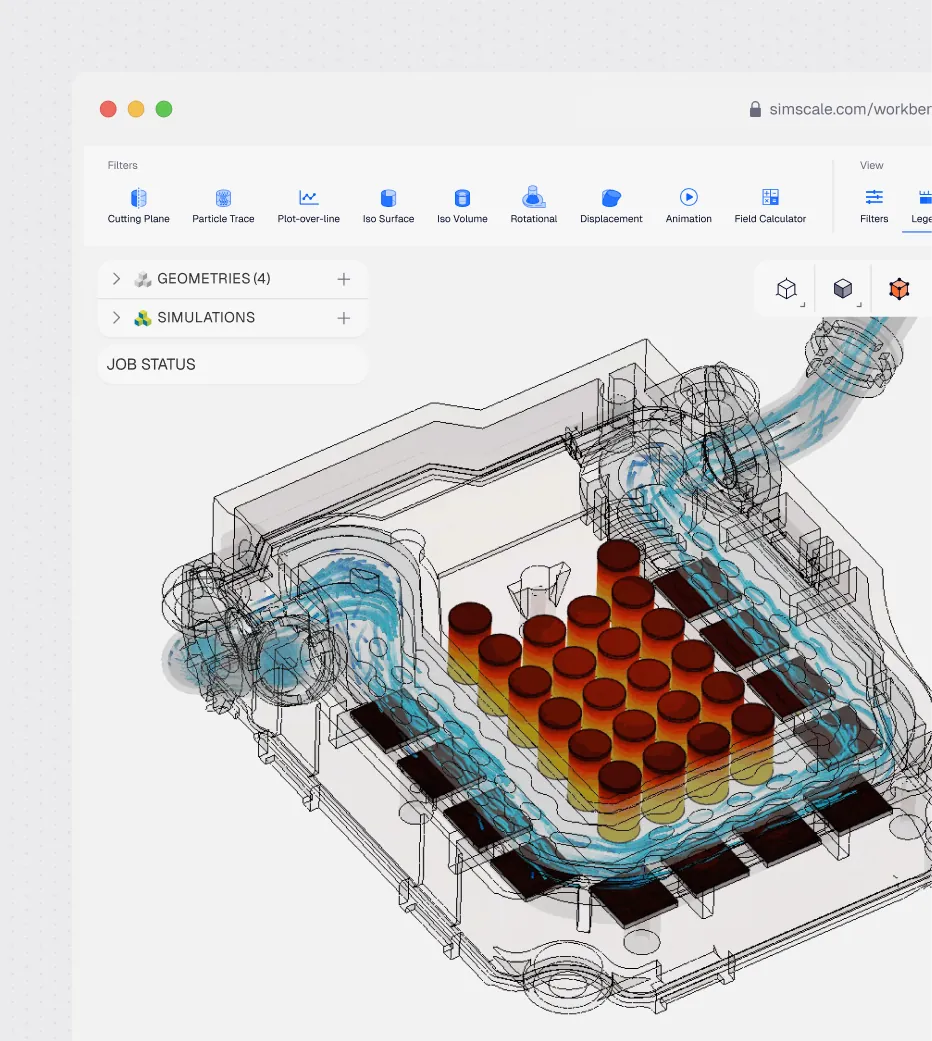
SimScale solves all three heat-transfer mechanisms (conduction, convection, radiation) from first principles. Engineers can simulate conduction between different materials, model temperature-dependent conductivity, and analyse surface-to-ambient and surface-to-surface radiation. An electronic enclosure, for example, can be optimised based on a comprehensive treatment of all three modes of heat transfer.
Flow analysis
SimScale’s CFD software can analyse laminar and turbulent flows, incompressible and compressible fluids, multiphase flows, and more. In thermal management, engineers evaluate air and liquid flow through components and devices and assess variables such as fluid temperature, pressure drop, and flow rate.
Cooling strategies (natural, forced, liquid)
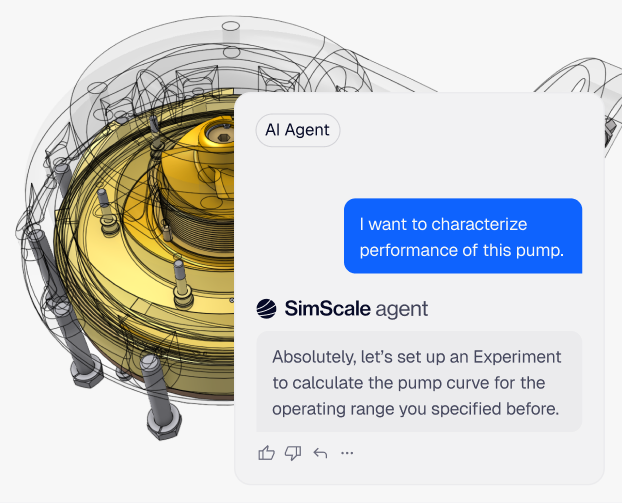
The heat-transfer physics and CFD capabilities in SimScale enable engineers to test multiple cooling strategies including natural convection, forced (fan) cooling, and liquid cooling. Engineers can upload fan and pump performance curves from the manufacturer and use parametric simulation workflows to automate scenario analyses. Physics AI complements this by delivering near-instant predictions across cooling variants once trained on your simulation data — so teams can narrow down the best strategy before committing to full solver runs.
Thermal-structural
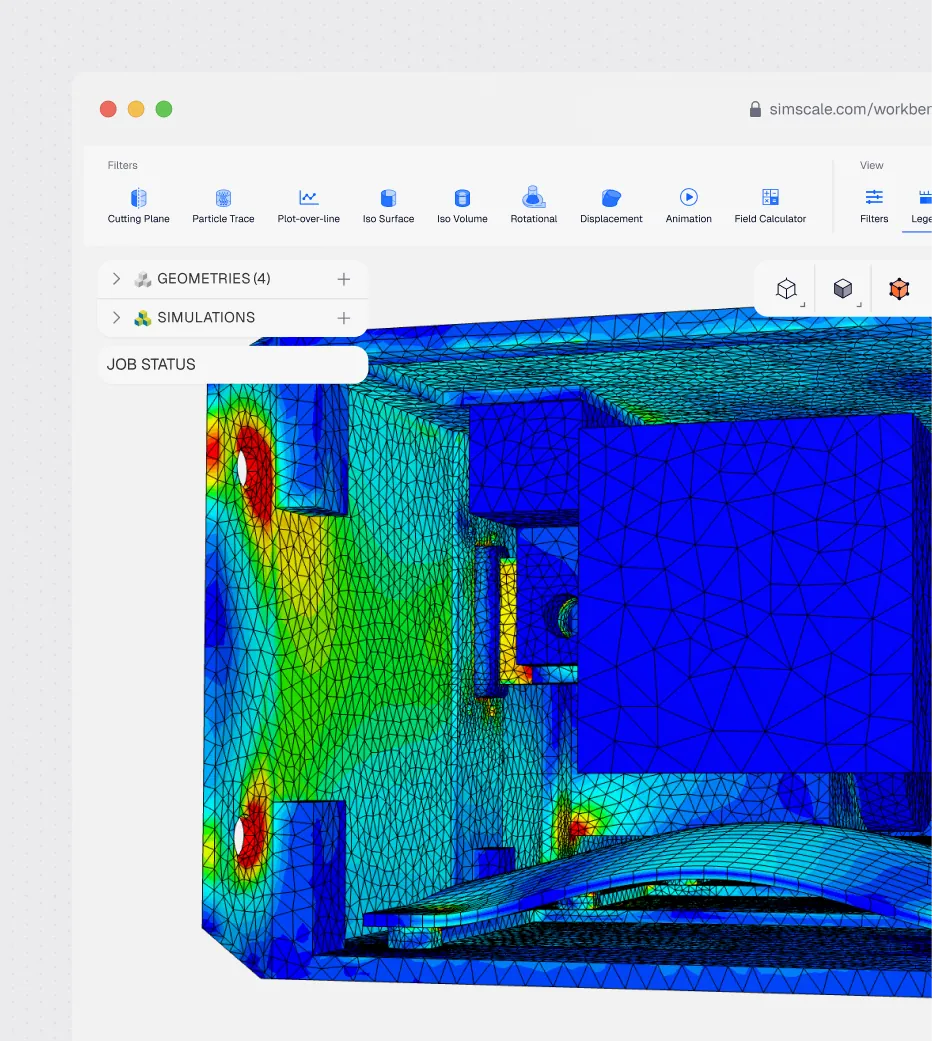
Calculates thermal influences on structural load states at each time step. The thermal and structural fields are solved sequentially in an iterative process, where the results of each thermal step serve as inputs for the corresponding structural step — essential for products subjected to temperature-dependent stresses.
Structural and vibration
FEA module supports static, dynamic, nonlinear, modal, and harmonic analysis. Engineers can virtually replicate shaker table tests, simulate drop impacts, vibration loads, and thermally induced stress cycles.
Data center cooling
Model airflow, containment strategies, and next-generation cooling technologies in hours, not weeks. Validate ASHRAE compliance, optimize PUE, and future-proof your data center before breaking ground.
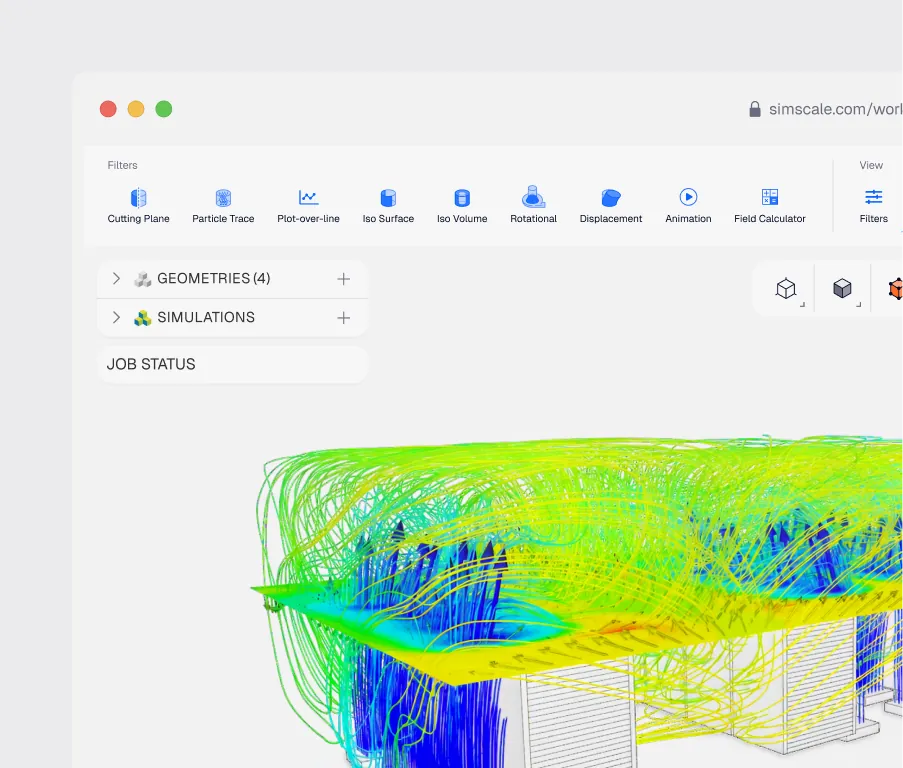
Industry-specific case studies
Electronics and high-tech teams use SimScale to validate thermal, structural, and electromagnetic performance faster and reduce physical prototyping.
See all solutionsFEA workflow transformed from weeks to days
Learn More


"By testing a few options in simulation up front, I could be confident that we didn't need a full metal enclosure — we could select a much more cost-effective solution without sacrificing reliability."
10x product lifetime increase
Learn More


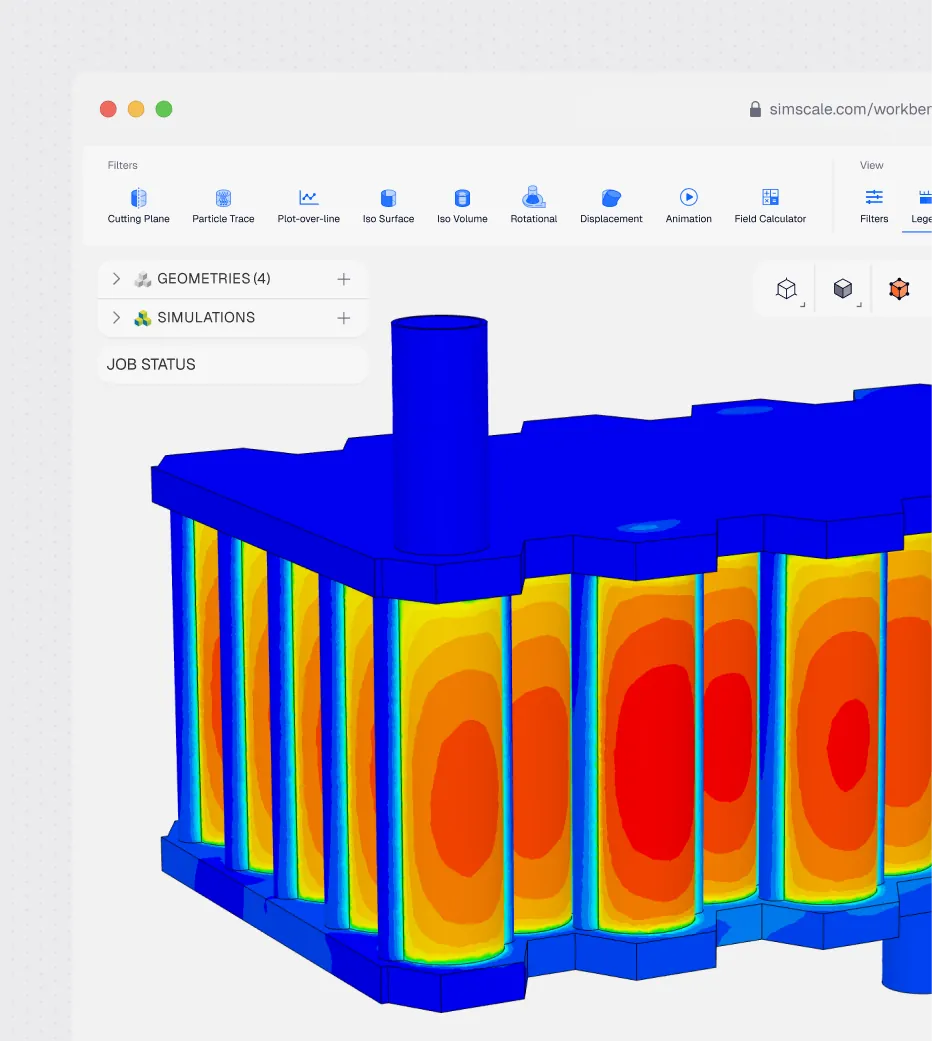
"Using SimScale in the early R&D stages of the product, we were able to fully leverage simulation capabilities into our product design process. This allowed us to quickly set up different cooling scenarios for our battery cells using SimScale's CHT module."
30 min from CAD import to solve — no CAD simplification required
Learn More


"The IBM solver made it possible to simulate thermals in our charger — period. This was not possible before IBM or with other CFD tools."
Related resources
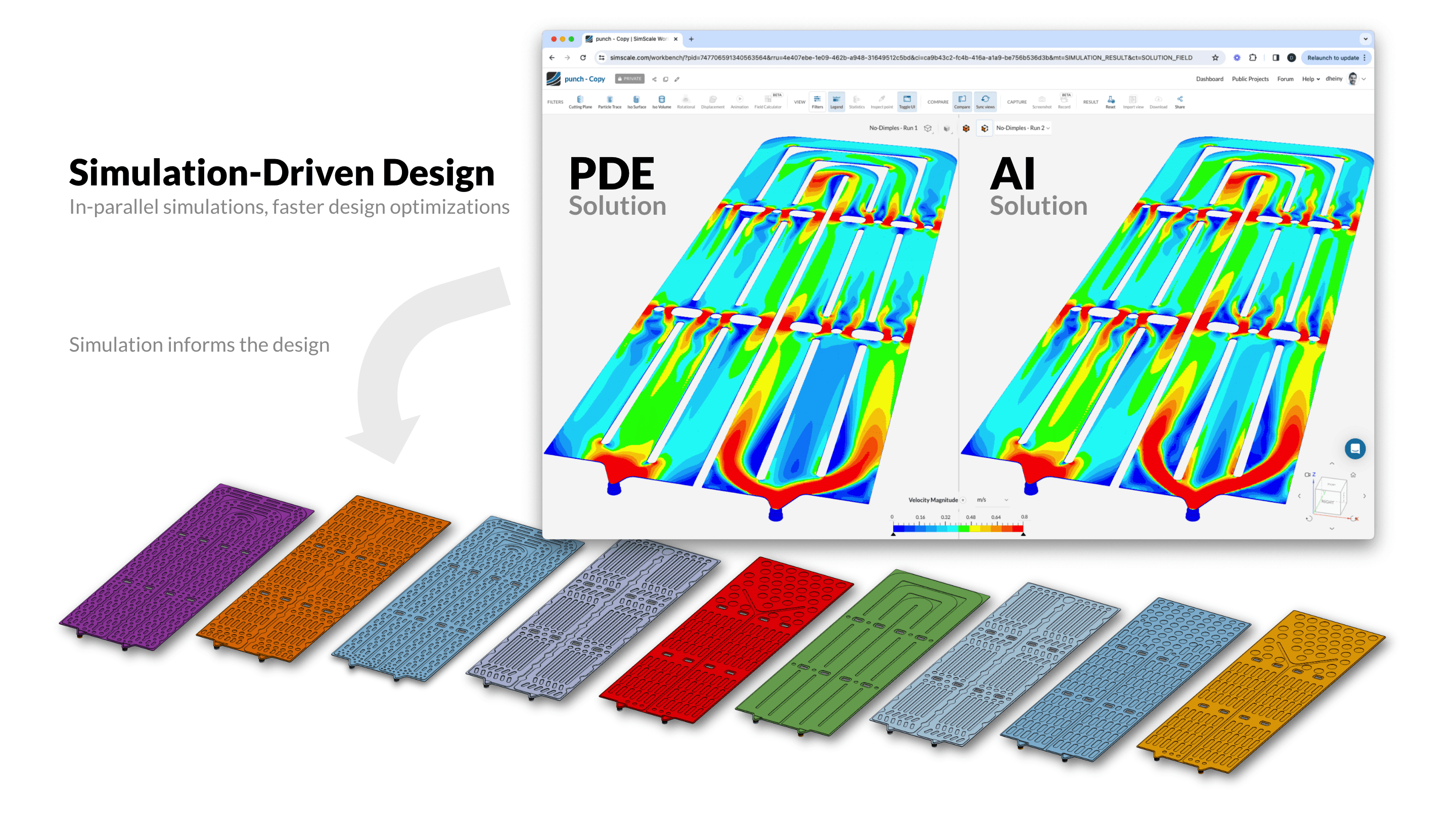
AI Simulation: The Convergence of AI and Engineering Simulation
What AI simulation is, how AI-assisted simulation and simulation-assisted AI differ, how Physics AI models are trained and validated, and where they fit next to CFD and FEA.

Steve Lainé
September 16, 2026
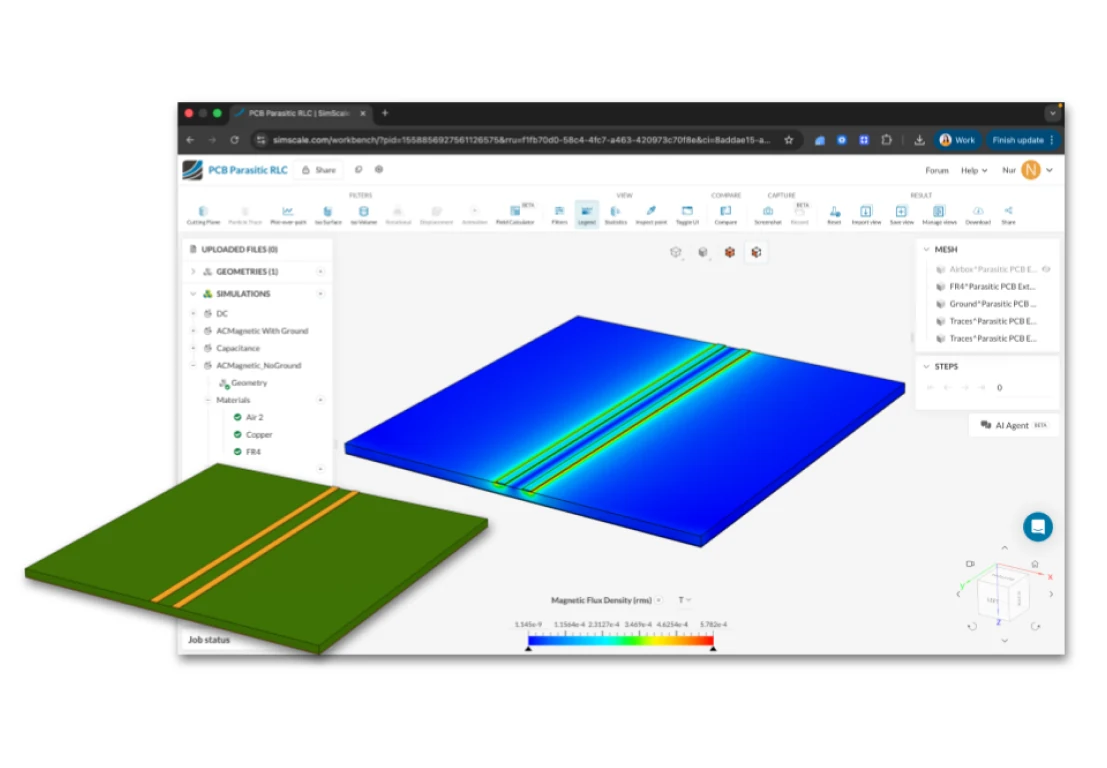
PCB Parasitic Extraction: Signal Integrity Simulation for High-Speed Designs
See how PCB parasitic extraction turns your layout into an accurate RLC model—predicting EMI, reducing crosstalk, and ensuring first-pass success.

Nur Ozturk
April 17, 2026
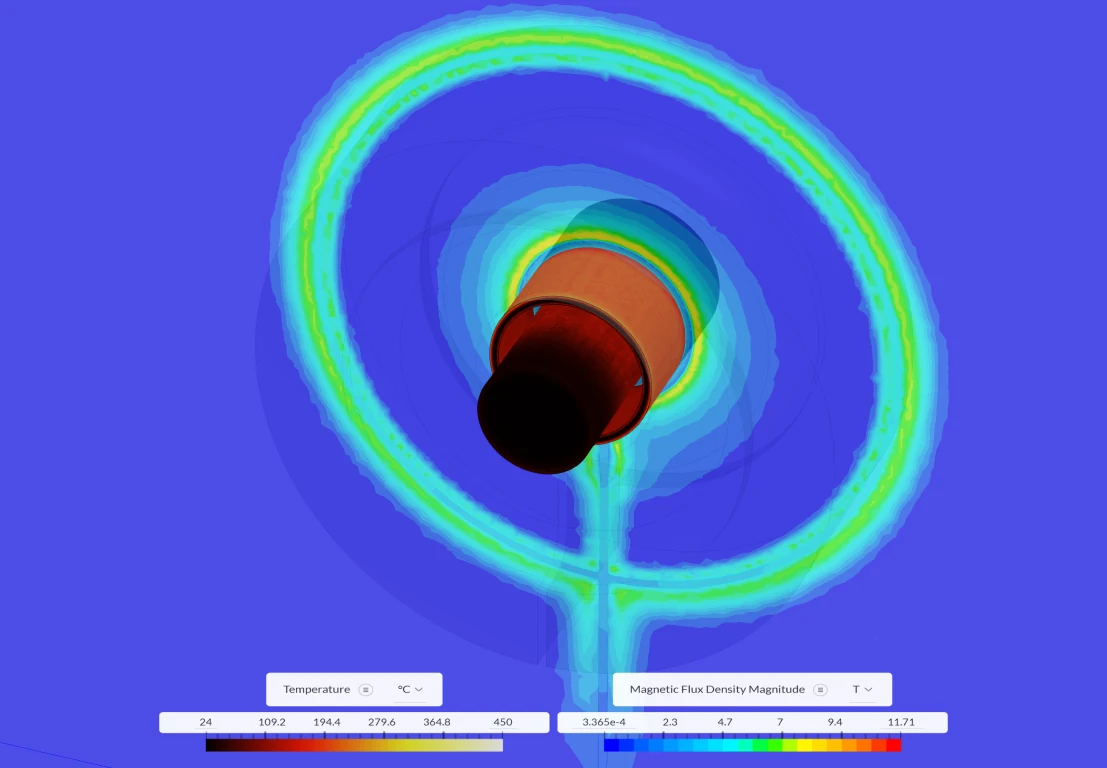
Induction Heating Simulation for Magnetic Pulse Welding
How to evaluate the electromagnetic efficiency of a magnetic pulse welding system in SimScale—using a transient solver, parametric sweeps, and thermal coupling.

Khairi Deiri
March 17, 2026


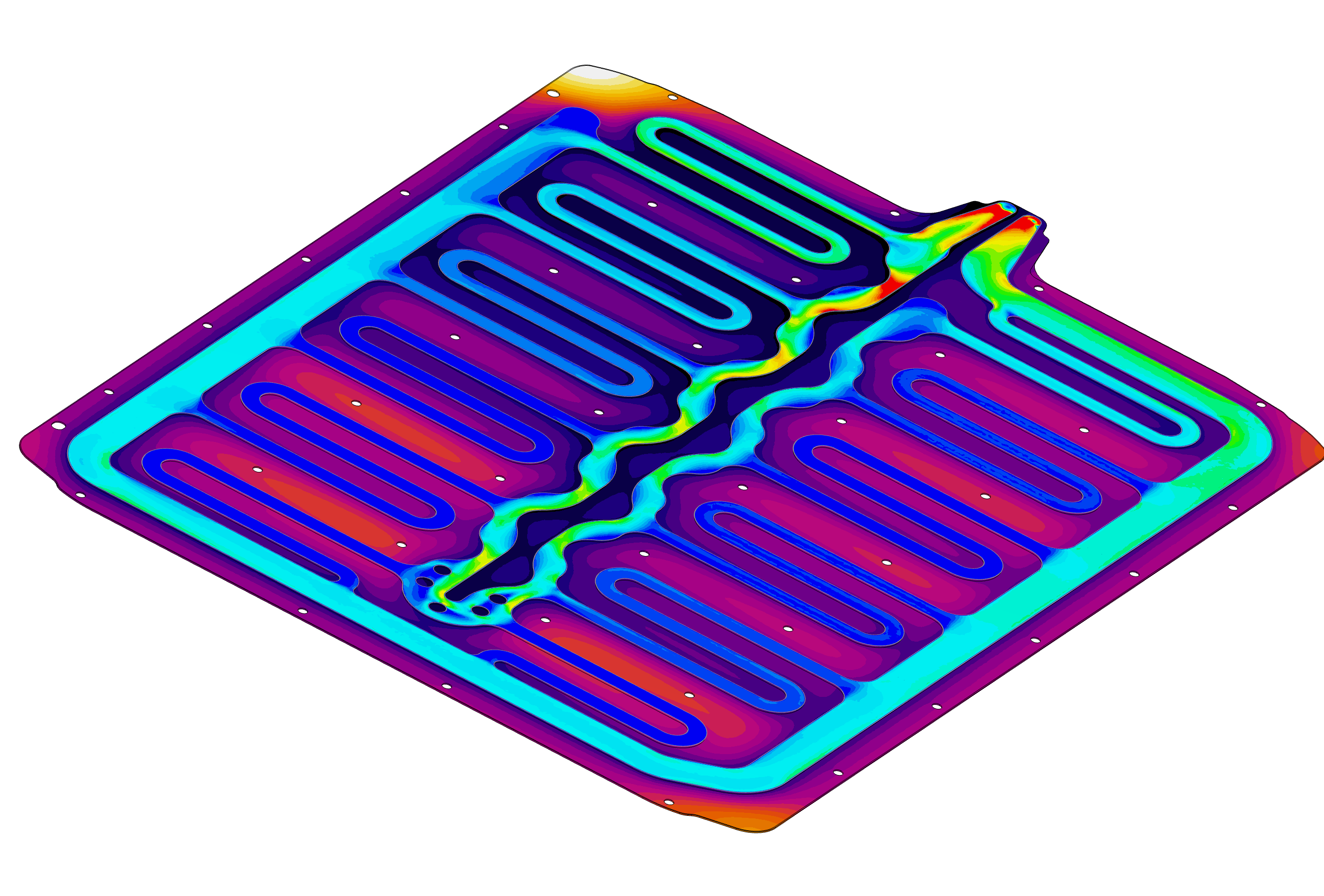
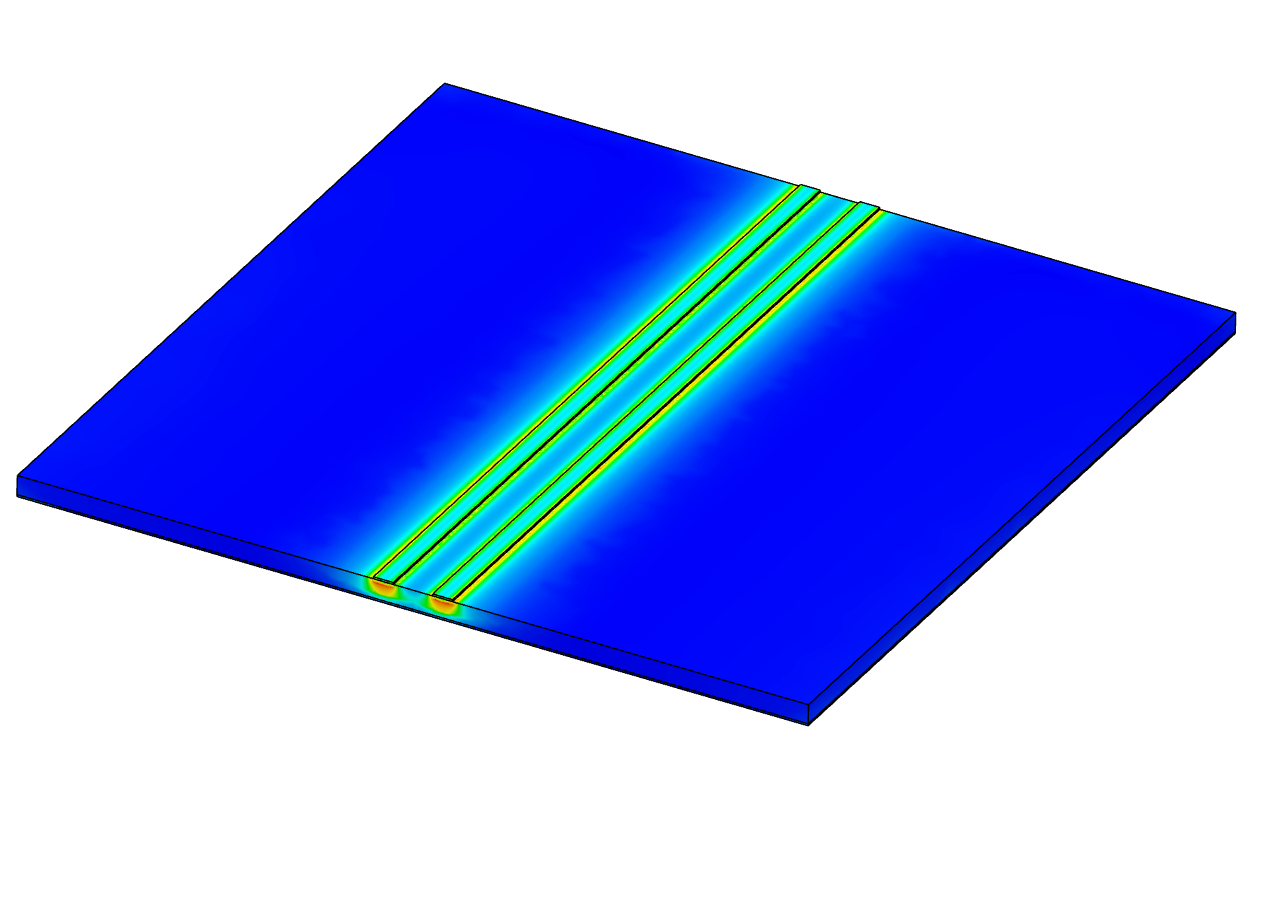

Luis Goncaves
August 4, 2026
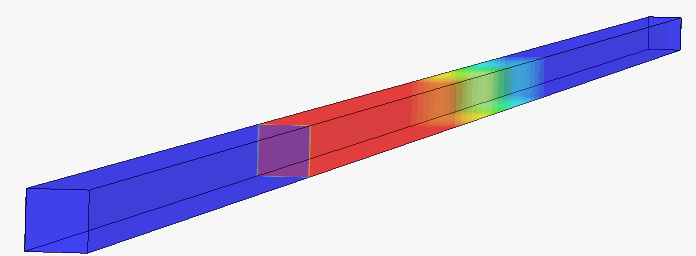
Luis Goncaves
June 18, 2026
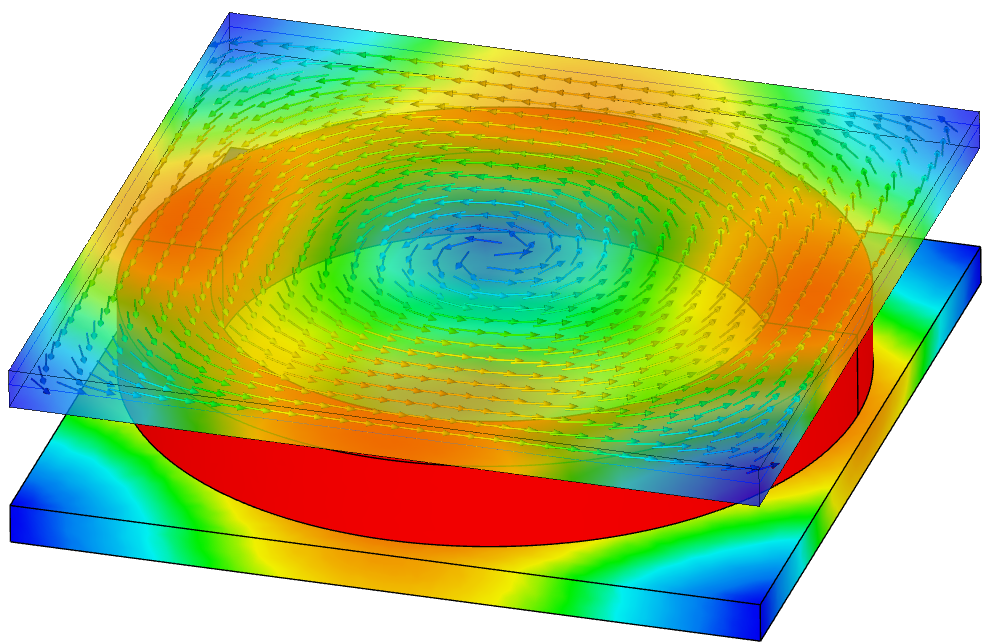
Luis Goncaves
January 27, 2026

Alex Graham
September 15, 2026
Alex Graham
August 4, 2026
Steve Lainé
July 6, 2026

Peter Selmeczy
July 9, 2026
Peter Selmeczy
March 24, 2026

Peter Selmeczy
September 10, 2025
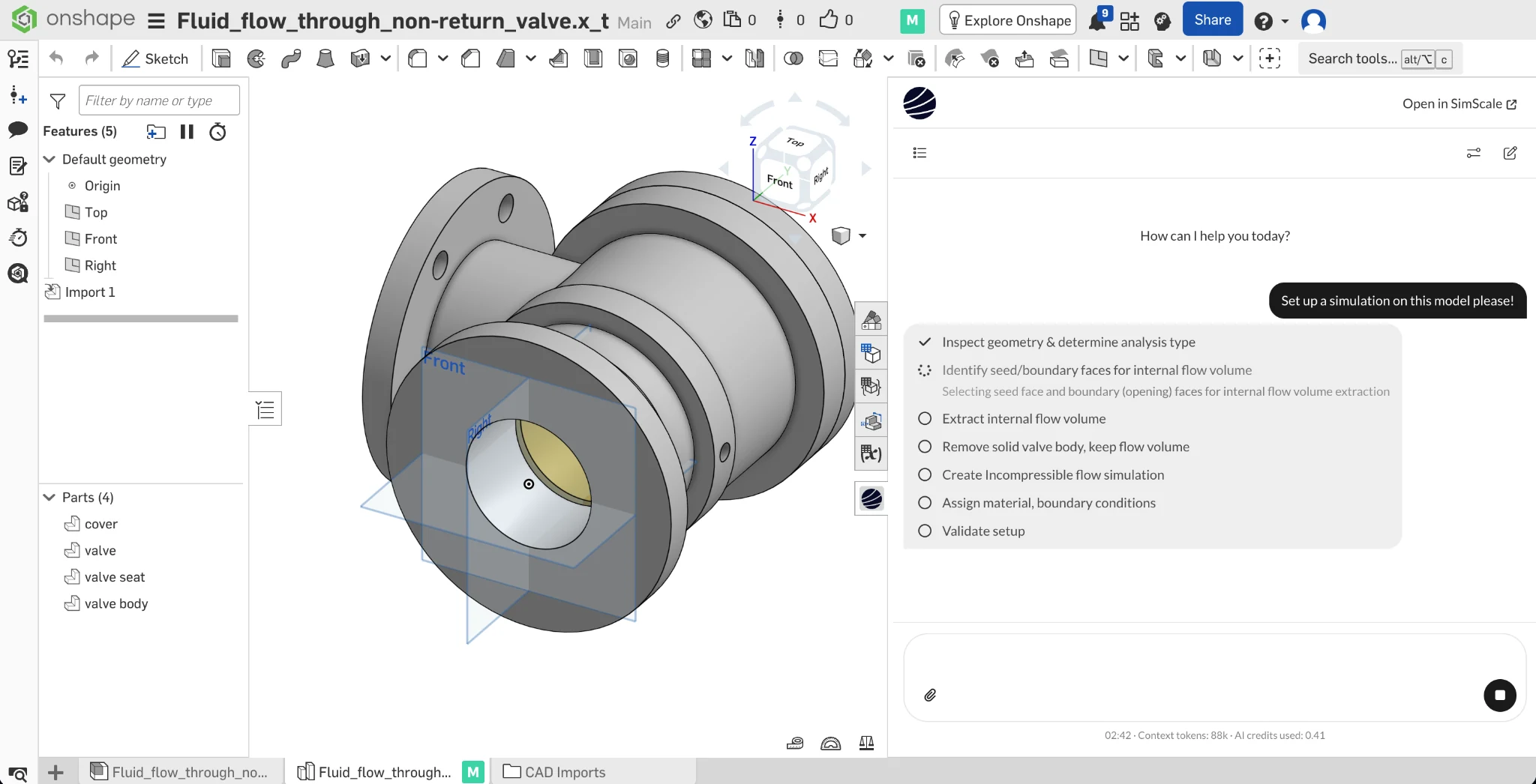

jwebster
September 15, 2026
Peter Selmeczy
September 3, 2026
FAQs
New to high tech simulation or evaluating SimScale? Here are the questions we hear most.
ContactSimScale supports natural convection, forced convection (fan cooling), and liquid cooling simulation. It solves all three heat transfer modes (conduction, convection, and radiation) simultaneously using conjugate heat transfer (CHT) analysis. Engineers can upload fan and pump performance curves directly from manufacturer data sheets.
Yes. SimScale's Immersed Boundary Method (IBM) handles complex PCB geometries without extensive CAD simplification. Engineers can simulate heat generation from individual components, thermal spreading across boards, and airflow through enclosures, all in one setup.
Yes. SimScale's FEA module supports static, dynamic, nonlinear, and modal (vibration) analysis. Engineers can virtually replicate shaker table tests and analyse how electronics components respond to drop impacts, vibration loads, and thermally induced stress cycles.
Physics AI delivers instant predictions for design variations based on trained high-fidelity simulation models. For thermal management, engineers can test changes to heat sink geometry, airflow direction, or component placement in seconds, reserving full solver runs for final design validation.
Yes. SimScale supports conjugate heat transfer simulation of battery modules and packs, including liquid cooling plates, cell-level heat generation, and thermal behavior under different charge/discharge cycles. Multiple cooling scenarios can be run in parallel, making it well-suited for EV battery design optimisation.
Explore industries
Start simulating electronics today, no HPC required
Join 900,000+ engineers who use SimScale to design thermally efficient, mechanically reliable products and ship them faster.