Fume Extraction Simulation
Design and validate fume extraction systems with CFD simulation in the cloud
SimScale runs CFD, passive-scalar smoke transport, and conjugate heat transfer on the full fume extraction system — hood geometry, source-capture distance, ductwork pressure drop, fan sizing, and room airflow — in a cloud-native, browser-based platform. Validate the 0.5-1.0 m/s capture velocity standard for welding, the 80-120 fpm face velocity for chemical fume hoods, and the air-change rates required for school chemistry labs before specifying equipment.
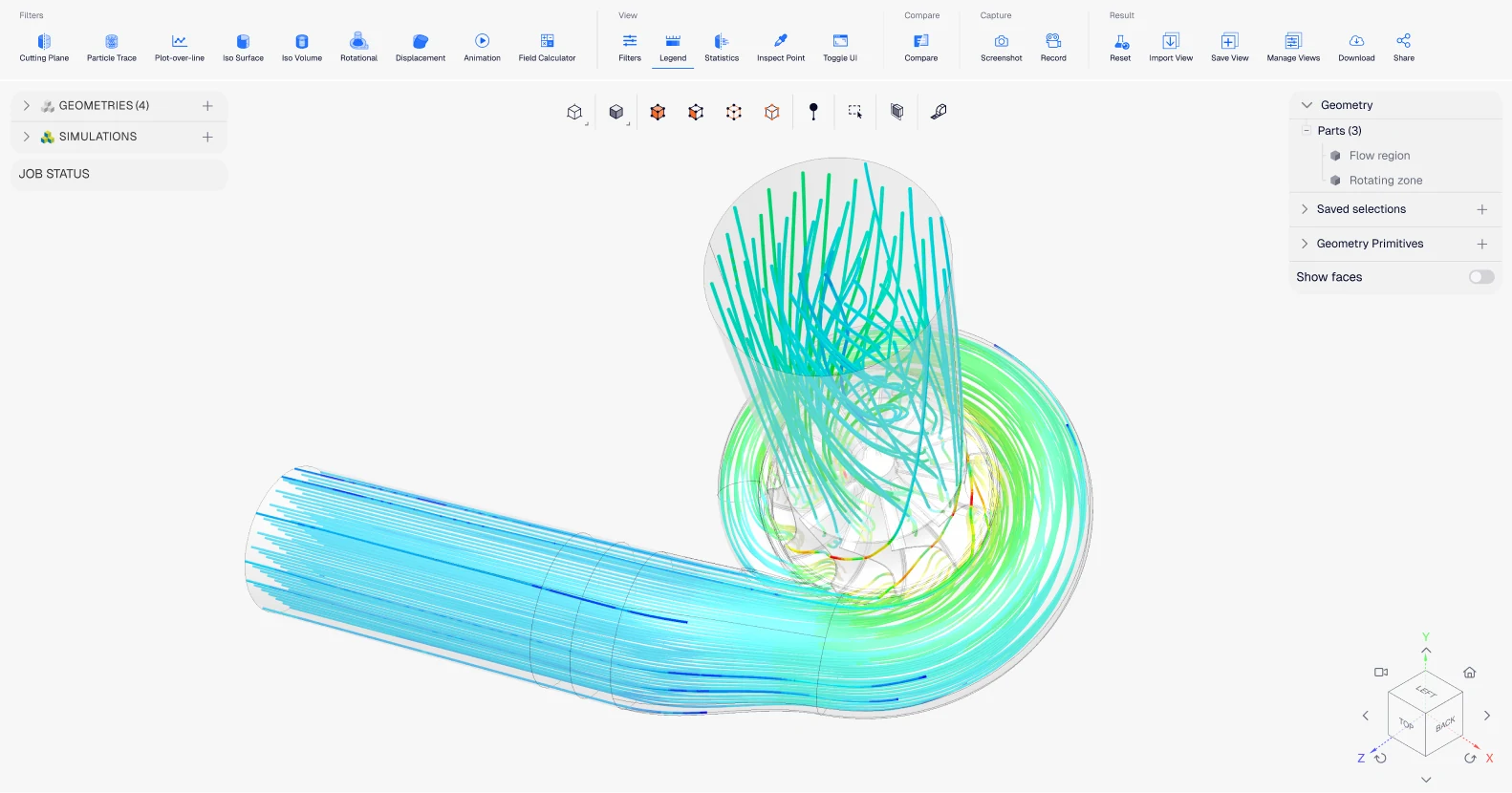












Iterative equipment trials and physical testing slow fume extraction validation when worker safety compliance can't wait. SimScale unifies CFD, smoke transport, and thermal simulation on one cloud platform .Predict capture velocity, hood effectiveness, and ductwork pressure drop in hours, not weeks.
Fume extraction simulation that covers your full design challenge
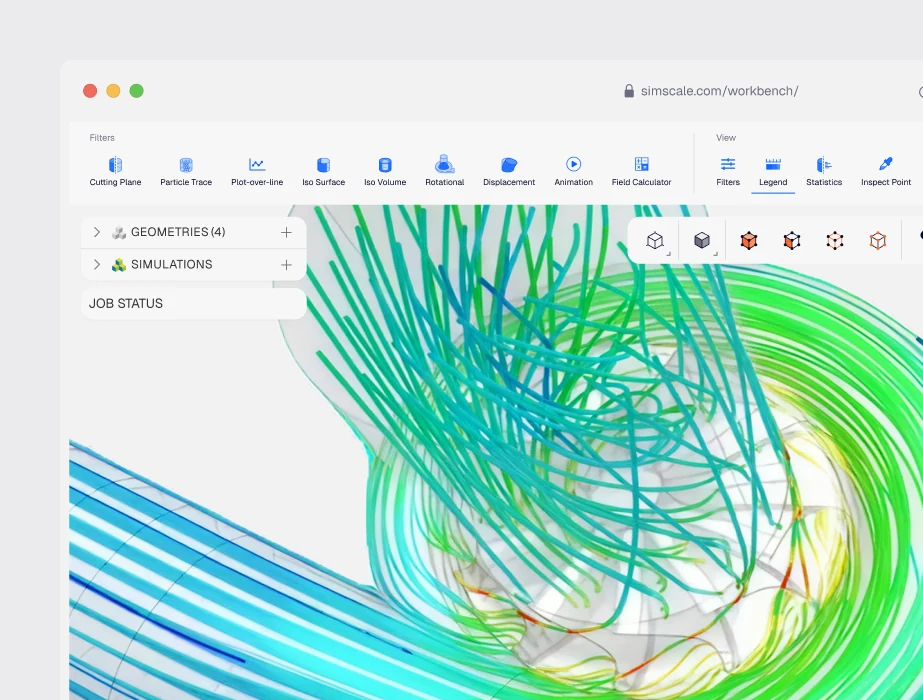
All the physics your fume extraction engineers need
Couple CFD, passive-scalar smoke transport, conjugate heat transfer, and structural FEA on the same geometry. One mesh, one results store. Validate source-capture hood geometry, downdraft table compartmentalisation, chemical fume hood face velocity, school chemistry-lab containment, and the entire ductwork-to-fan path — and sweep design variants in parallel across the cloud.
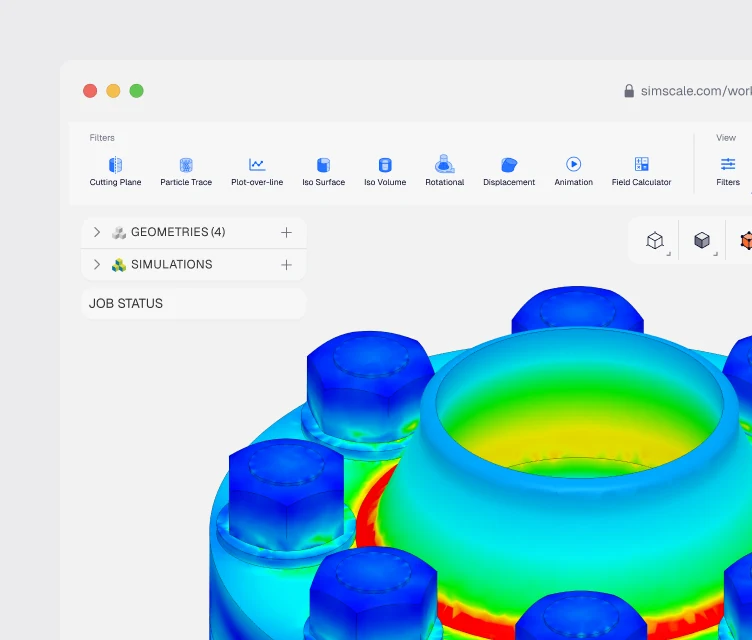
AI-native fume extraction design optimisation
Physics AI delivers near-instant predictions on hood face geometry, source-to-hood distance, ductwork pressure drop, and fan sizing. Sweep dozens of hood geometries, slot-vs-canopy configurations, ductwork diameters, and CFM levels in seconds, then promote the strongest candidates to full transient CFD before committing to equipment. Find the capture-velocity / pressure-drop / energy frontier without 200 manual runs.
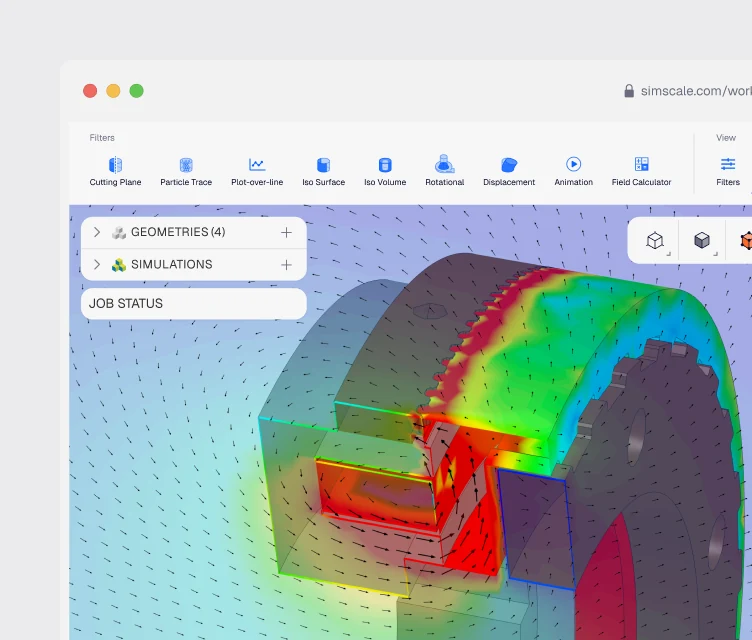
Cloud benefits: parallel runs replace equipment trials with simulation evidence
Run multiple fume extraction configurations in parallel — different hood positions, downdraft compartments, ductwork layouts, fan sizes — with simulations executing in the cloud while the team works on other tasks. Anderson CNC investigated all configurations of a CNC plasma table smoke extractor at once and obtained results in 2 hours of calculation. AirIDEA ran a 14.4-million-cell ventilation model on a Warsaw kindergarten to validate fresh-air strategy at 32 °C peak summer. No on-prem HPC, no VPN, no licence ceiling.
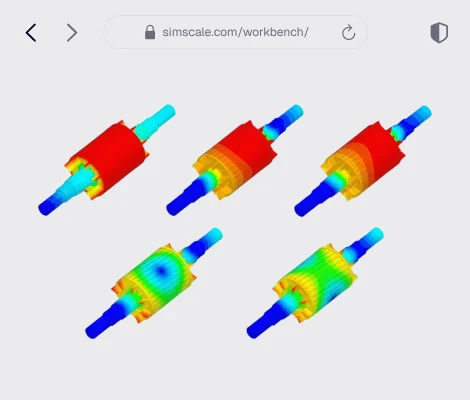
Welding fume extraction: source-capture hoods and capture velocity
Validate the 0.5-1.0 m/s capture velocity standard for welding fume on source-capture hoods and torch-mounted extractors. Quantify how hood-to-source distance changes capture efficiency — 140 fpm at 2 cm collapses to 60 fpm at 6 cm — and design hood geometry, face velocity, and CFM accordingly. Critical for compliance with OSHA, EH40, and ISO welding fume limits and for protecting the welder's breathing zone.
CNC plasma cutting tables: downdraft compartment and smoke outlet placement
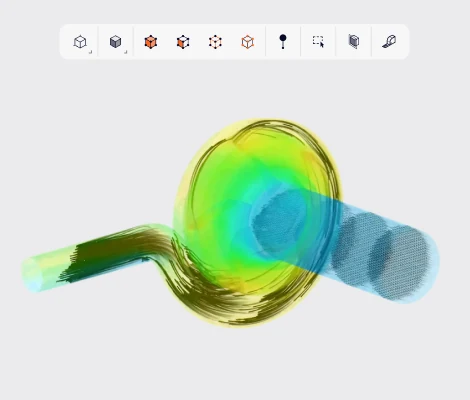
Simulate smoke propagation through a CNC plasma cutting table with passive-scalar transport, optimise smoke-outlet location and compartment geometry, and validate ductwork capture across the cutting bed. Anderson CNC used this exact workflow on its Stryker plasma table — running multiple simulations in parallel and obtaining all configurations' results in 2 hours of calculation — to define the right smoke-outlet positions and extractor specifications before building the next machine.
Chemical fume hoods: face velocity, containment, and VAV control
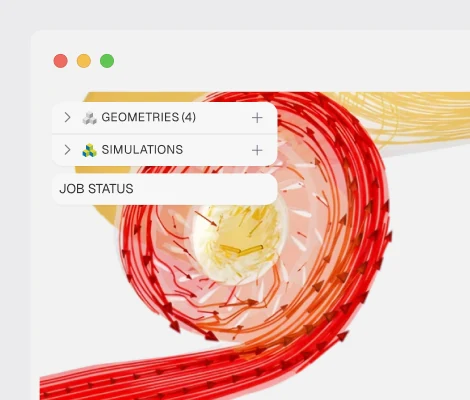
Validate the 80-120 fpm face velocity standard for laboratory chemical fume hoods. Simulate primary containment at the sash plane, secondary containment in the lab room, and VAV (variable-air-volume) control under different sash openings. Critical for pharma R&D labs, university chemistry departments, and any lab where ASHRAE 110 compliance and energy efficiency both matter.

All smoke-outlet configurations evaluated in 2 hours of cloud calculation
New CNC plasma table designed and built within 2 months of simulation
"The simulation carried out with SimScale helped notice inefficiencies in the location of the smoke outlets, improve the channeling of the smoke to these outlets, and see turbulence generated in the ducting. It also contributed to defining the specifications of the extractor needed to remove the smoke."
Anderson CNC engineering team
14.4-million-cell ventilation model on a Warsaw kindergarten
Fresh-air and thermal-comfort strategy validated at 32 °C peak-summer load
"I'm a big fan of SimScale and want to use it more. We are keen to see more product features. Moving from being a reseller to a product developer was a big risk and with the power and accuracy of SimScale and their support, we have been more confident in developing our own products. I now have three new products in the development pipeline that will launch in the coming months, some with nozzles, others for more targeted ventilation and we are exploring new materials with sustainability in mind. Basically, with SimScale, we have been empowered to innovate."

16 design iterations in 3-4 weeks on a vortex-based HVAC mixing conduit
30% reduction in design and validation phase · 60% cost saving overall · 80% thermal mixing efficiency
"Our work with SimScale gives us the ability to design smarter, test faster, and validate ideas earlier in the process. In our industry, where reliability and safety are non-negotiable, having confidence in our designs before we even build prototypes is a game changer."
Related resources

Alex Graham
June 16, 2026
Multi-agent workflows: key takeaways from Design & Simulation Week 2026
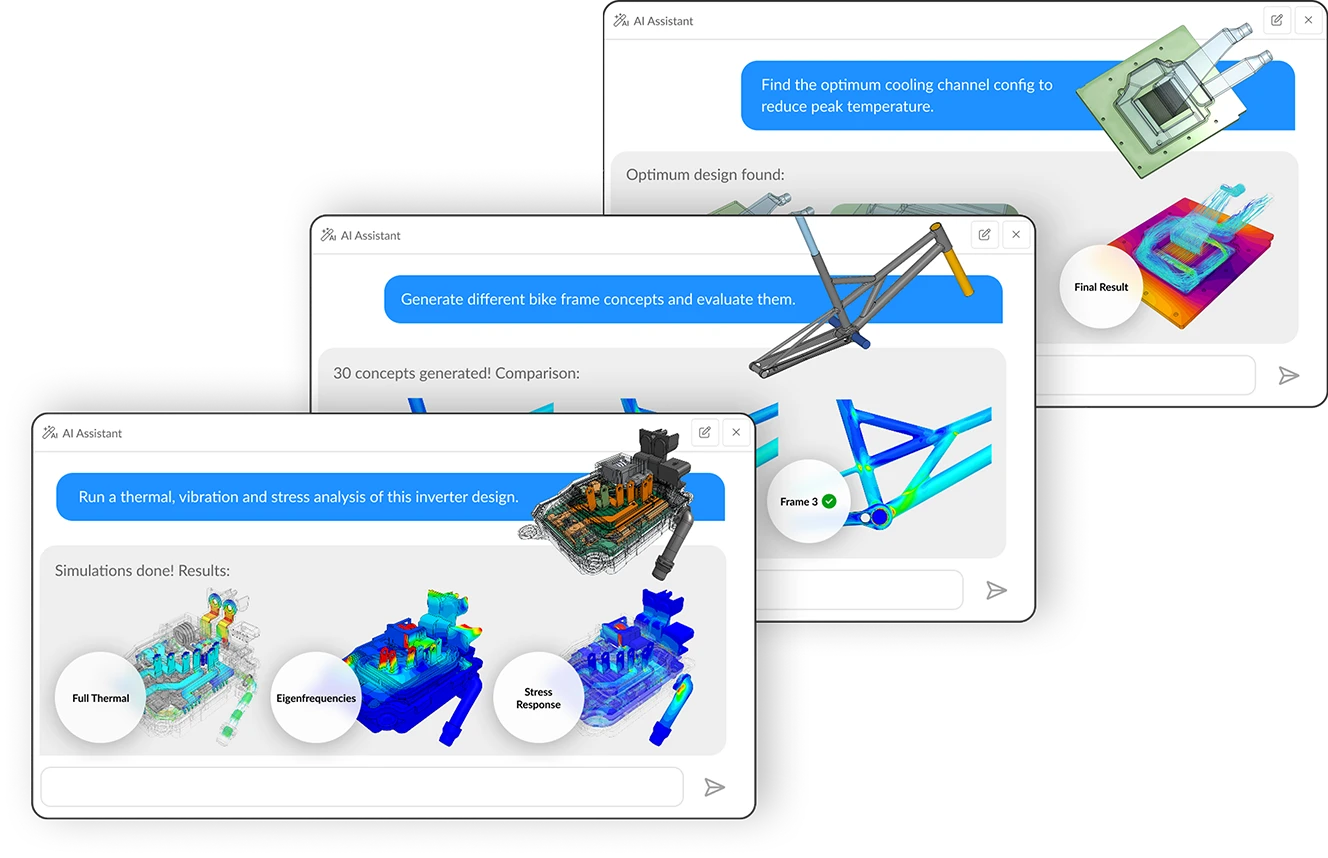
SimScale and CoLab demonstrated live AI agent collaboration at Design & Simulation Week 2026, cutting engineering review and simulation lead times dramatically.
Alex Graham
June 12, 2026

SimScale Workflows: Why we are opening up the platform (& why you should care)
SimScale Workflows opens its platform to custom solvers and tools, enabling automated, AI-driven multi-step engineering simulation pipelines for any organization.
Alex Graham
May 29, 2026



Luis Goncaves
June 18, 2026
Luis Goncaves
January 27, 2026

Paras Ghumare
December 4, 2025


Jon Wilde
June 16, 2026

David Heiny
June 15, 2026
Jon Wilde
June 3, 2026

Peter Selmeczy
March 24, 2026
Peter Selmeczy
September 10, 2025
Peter Selmeczy
June 25, 2025
Peter Selmeczy
May 29, 2026
Welding source-capture hoods and torch-mounted extractors, CNC plasma cutting table downdraft systems, chemical fume hoods in pharma and university chemistry labs, fume hood arrays in school and teaching-lab settings, industrial extraction ductwork from hood to fan, kitchen and culinary fume systems, soldering and electronics manufacturing extraction, and adjacent confined-space HVAC mixing. CFD, passive-scalar smoke transport, conjugate heat transfer, and structural FEA all run on the same CAD model.
Fume extraction system design is the process of sizing and specifying the hood, capture velocity, ductwork, fan, and discharge for a system that removes hazardous fume from a worker's breathing zone or a containment envelope. CFD adds three things hand calculations can't: (1) it shows how capture velocity decays with distance from the hood — letting the engineer position equipment at the right offset, (2) it predicts ductwork pressure drop, turbulence, and particulate deposition before fabrication, and (3) it visualises smoke transport so the operator and safety officer can see exactly where the system fails. SimScale runs CFD plus passive-scalar smoke modelling plus heat transfer in one cloud platform.
The CFM is the hood face opening multiplied by the design face velocity. For welding source-capture hoods, the recommended capture velocity at the source is 0.5-1.0 m/s (approximately 100-200 fpm at the source) — that translates to 50-100 fpm at the hood face for typical hood-to-source distances. For laboratory chemical fume hoods, ASHRAE 110 typically calls for 80-120 fpm face velocity. The actual CFM depends on hood geometry, source distance, and the fume's buoyancy / momentum — which is exactly why CFD is the right way to size a system instead of a one-size catalogue number.
The industry-standard capture velocity at the welding source is 0.5-1.0 m/s. CFD studies show capture velocity decays rapidly with distance — typically 140 fpm at 2 cm offset can collapse to 60 fpm at 6 cm. Simulating the source-to-hood distance, hood geometry, and CFM in CFD is the most reliable way to validate that a welding extraction system holds the capture standard across the operator's working envelope, before installing equipment that may not meet OSHA, EH40, or ISO welding fume limits.
Yes. Anderson CNC used SimScale to simulate smoke propagation through their Stryker CNC plasma cutting table using a passive-scalar solver on a single mesh with refinements at each smoke-inlet location. They evaluated multiple smoke-outlet positions and air-suction conditions in parallel — getting all results in 2 hours of calculation — and used the simulation evidence to define both the smoke-outlet locations and the extractor specifications. The new table was designed and built within 2 months of the simulation work.