Industries


Marine Simulation
Marine simulation in the cloud, from hull to propeller
SimScale runs marine simulation across CFD, multiphase, FEA, and thermal analysis in one AI-native cloud platform, so naval architects, marine OEMs, and tidal-energy teams can validate hulls, propellers, hovercraft, and turbines from a browser.
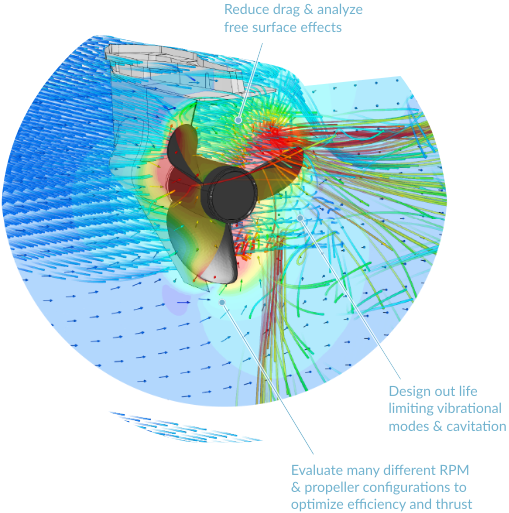












Disconnected tools and costly physical tests slow hull-to-propeller validation.SimScale unifies CFD, FEA, multiphase, and thermal analysis on one cloud-native platform.
How SimScale benefits marine teams
Shorten development cycles for marine craft
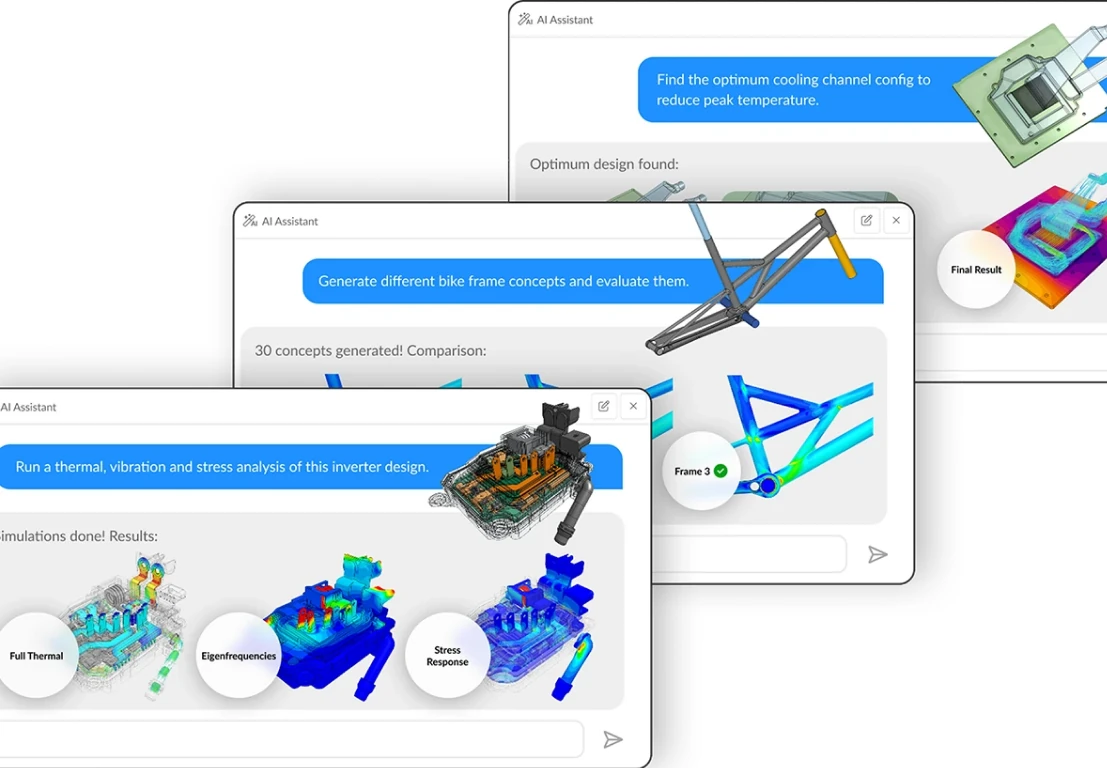
SimScale's Engineering AI automates meshing and solver setup for complex marine geometries, so engineers spend time on design decisions rather than configuration. Cloud compute scales elastically — run dozens of parallel simulations without queuing for on-premise HPC.
Cut prototyping and on-water testing
Disqualify weak designs in simulation before committing to manufacturing or water-tank testing — catching flow inefficiencies, structural failures, and cavitation risks early in the design cycle.
Collaborate across remote sites
SimScale runs in any browser, so engineers across design offices, shipyards, and offshore sites can share the same simulation project without VPN or remote desktop.
Simulation built for marine
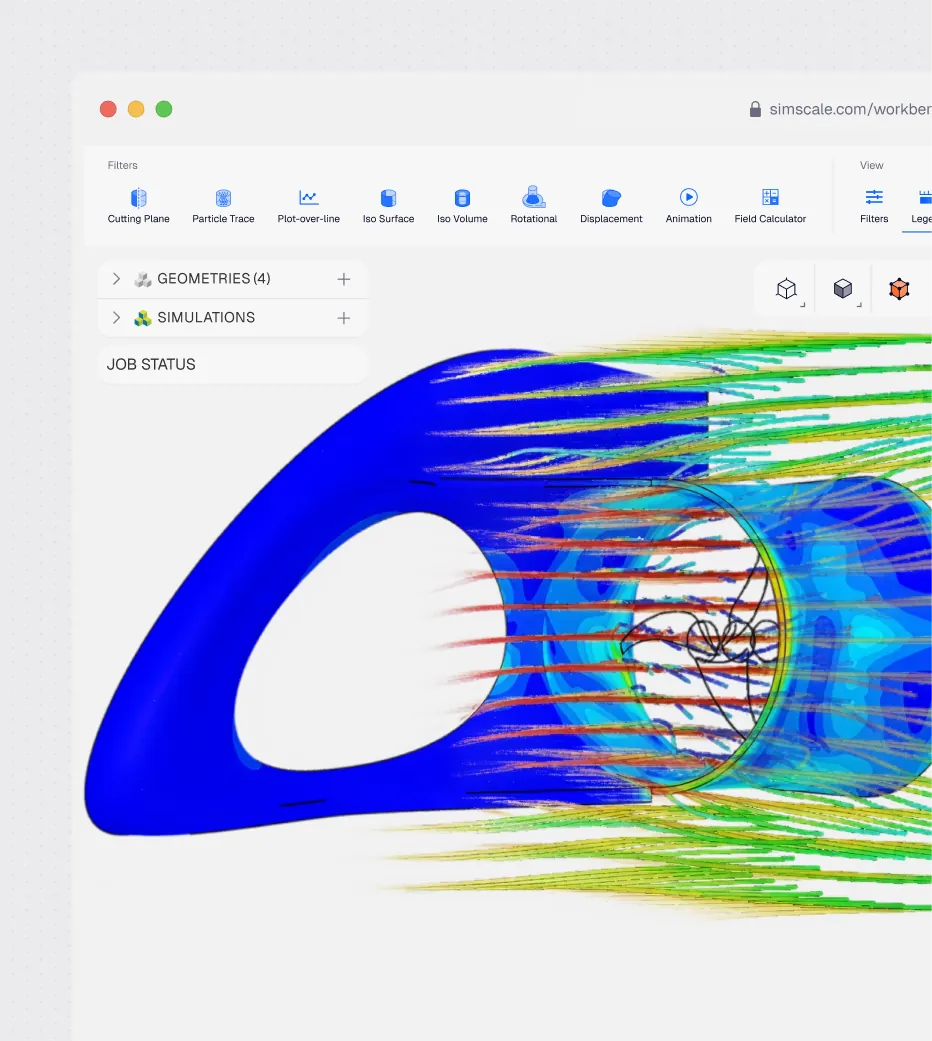
All physics on one platform: CFD, multiphase, FEA, thermal
SimScale's Engineering AI handles meshing and setup across physics types, so teams can run multiphase CFD on a hull, FEA on a rudder, and thermal analysis on onboard ventilation in the same project — one geometry, one results store.
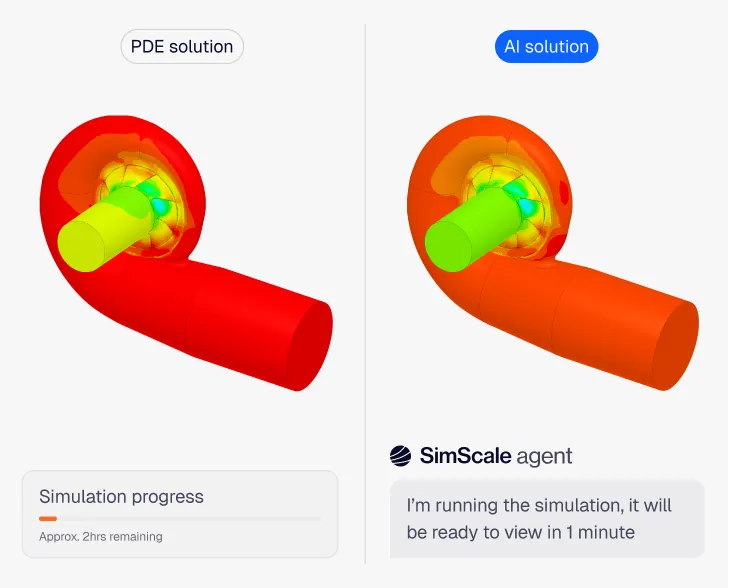
Physics AI for instant predictions
Sweep hull, propeller, and rudder geometry in seconds. Physics AI trains on high-fidelity simulation data to deliver near-instant predictions, so teams can explore design configurations before committing to a full multiphase CFD run.
Cloud-native collaboration for distributed marine teams
Design offices, shipyards, and on-site engineers share the same simulation in the browser with real-time support inside the project. CAD imports from any major package land directly in SimScale.
Proven across the marine portfolio
From propellers to floating tidal turbines, SimScale covers the breadth of marine simulation naval architects, OEMs, and marine-energy teams run every day.
Hull resistance and ship aerodynamics
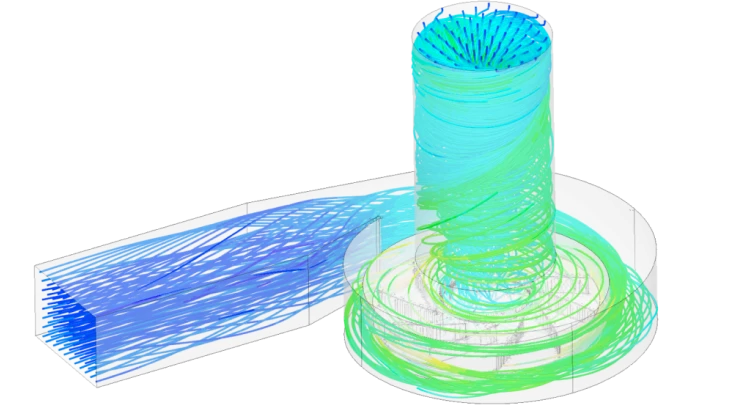
Run multiphase CFD on hulls to predict resistance, fuel efficiency, and ship-deck aerodynamics. Includes free-surface and onboard ventilation analyses.
Propellers, ducted thrusters, and rotating machinery
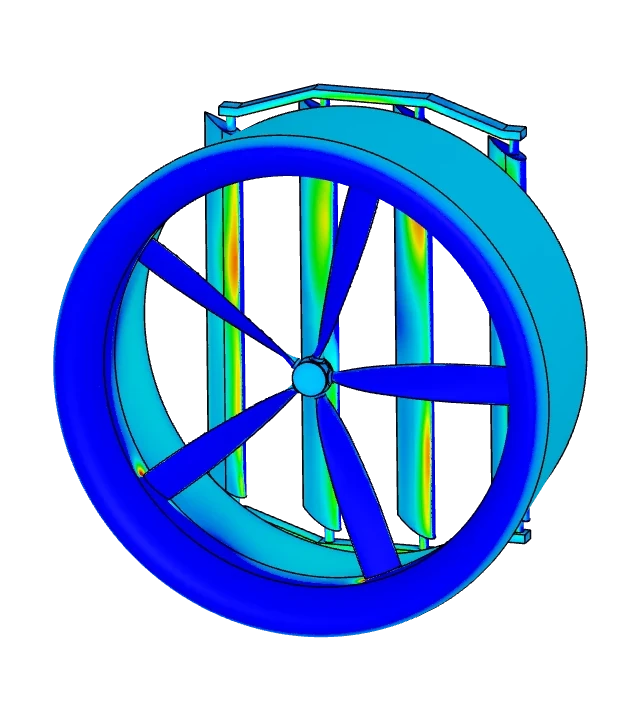
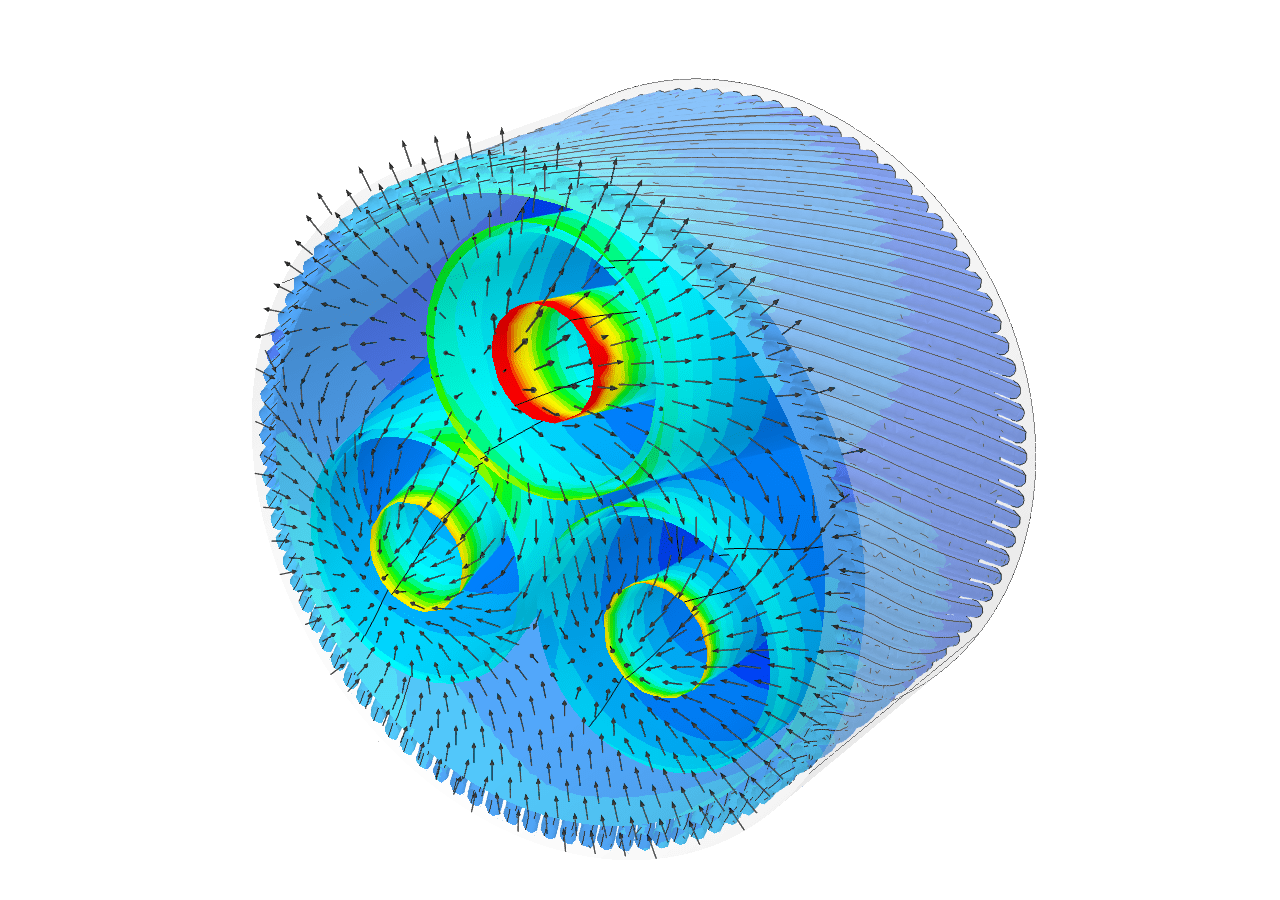
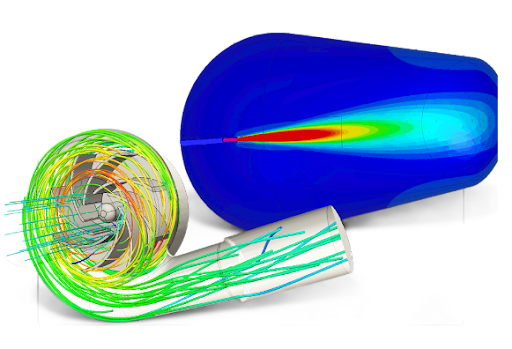
Predict propeller efficiency, cavitation, and rudder loads using rotating-domain CFD with cavitation modelling. Covers ducted thrusters, blade cascades, and propulsion systems for vessels operating in demanding environments.
Hydrofoils and high-performance watercraft
Optimise hydrofoil lift-to-drag ratios, angle of attack profiles, and cavitation behaviour with CFD. Combine with FEA to validate composite foil structure under dynamic wave loading — in the same project, on the same geometry.
Tidal and offshore renewable energy
Run multiphase CFD on floating tidal turbines, free-surface effects, and offshore renewables. Optimise turbine geometry, drag/lift coefficients, and maintenance-access configurations before committing to at-sea testing.
Subsea pipelines, valves, and offshore equipment
Run CFD on subsea pipelines, valves, and offshore equipment under high pressure and corrosive conditions. Analyse pipeline supports, brackets, and structural assemblies with FEA.
Onboard HVAC and ventilation
Run CFD on engine-room ventilation, cabin HVAC, and onboard airflow for crew comfort and equipment cooling. ASHRAE 55 / ISO 7730 aligned where applicable.
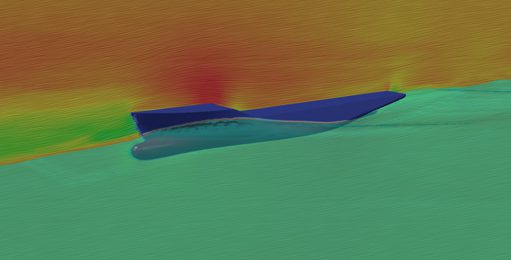
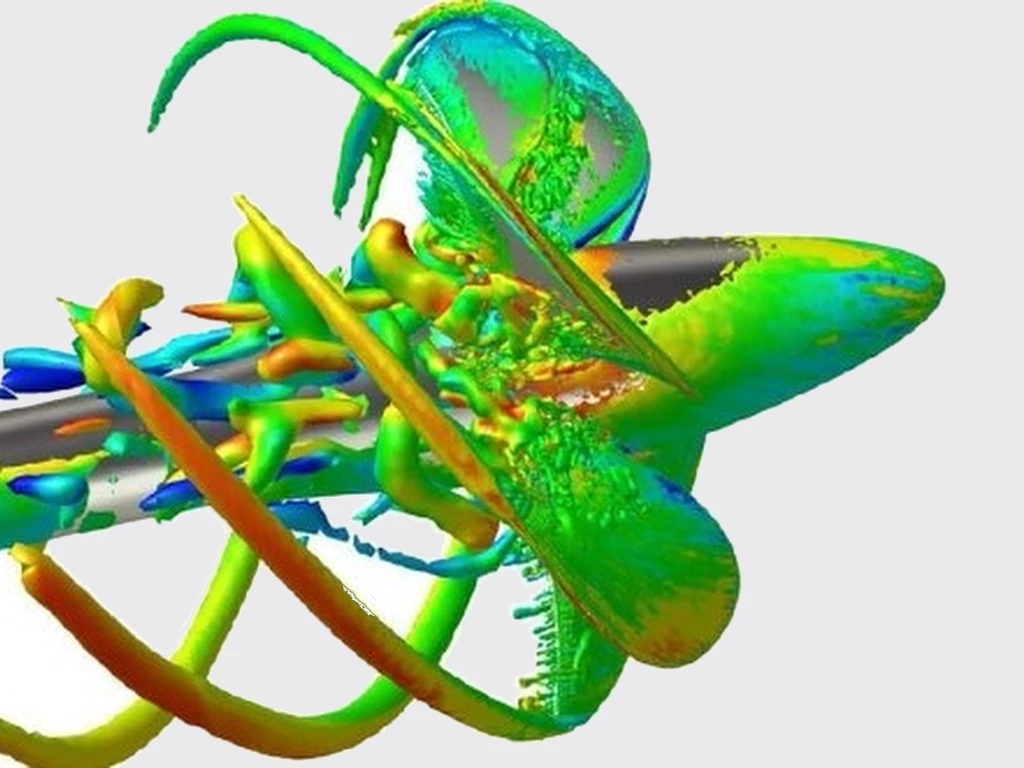
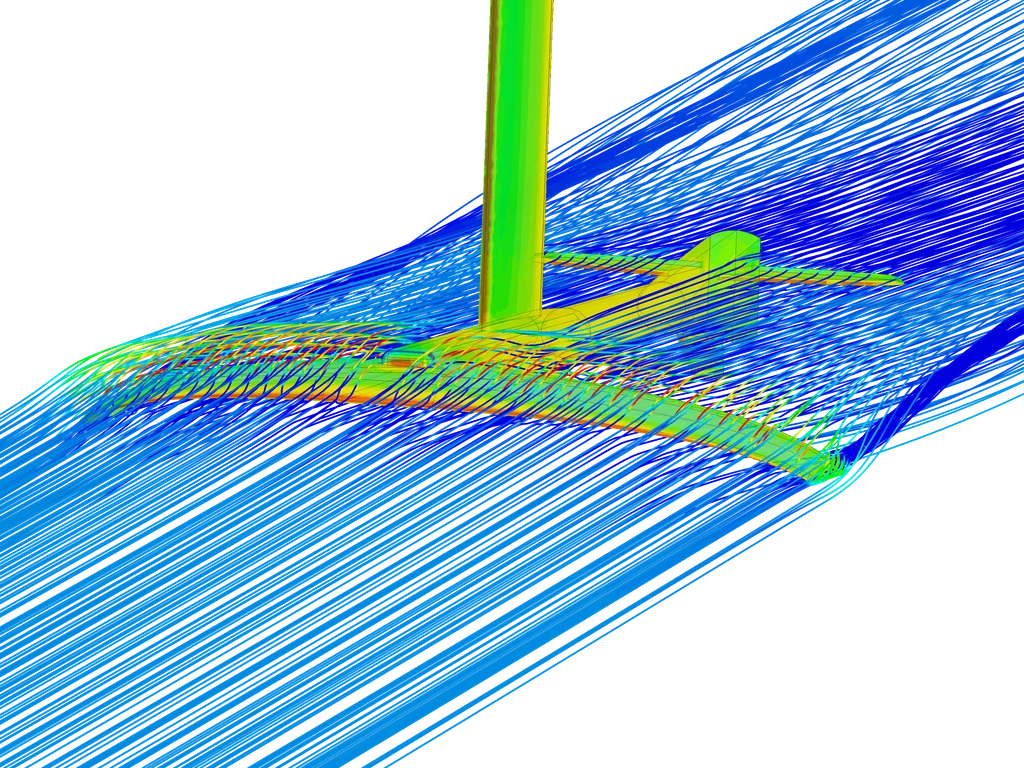
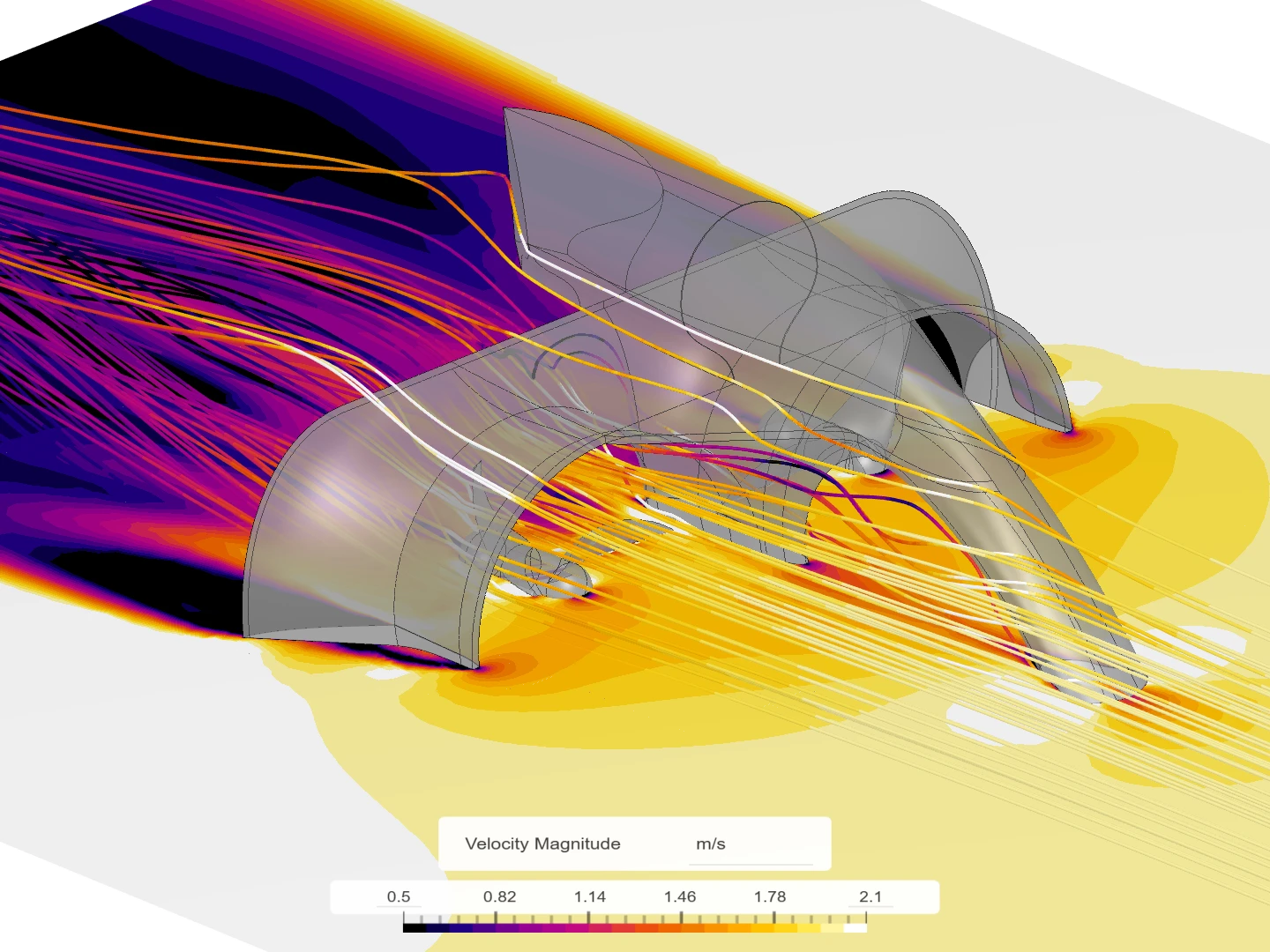
Marine case studies
From start-ups to scale-ups, the journey is filled with challenges and opportunities.
See all solutions28 parallel simulations / WIG craft validated
Learn More


"SimScale is the first cloud simulation environment I have experienced, it's user friendly, and makes CFD simulation look very simple."
Propeller, duct, and rudder design optimised
Learn More


"Given the cloud-native nature of SimScale, there is no limit to the number of simulations of competing CAD variants that can be run."
Tidal stream turbine performance optimised
Learn More


"SimScale is an amazing platform that enables CAE to be carried out with minimal fuss and resources."
Related resources

Alex Graham
June 16, 2026
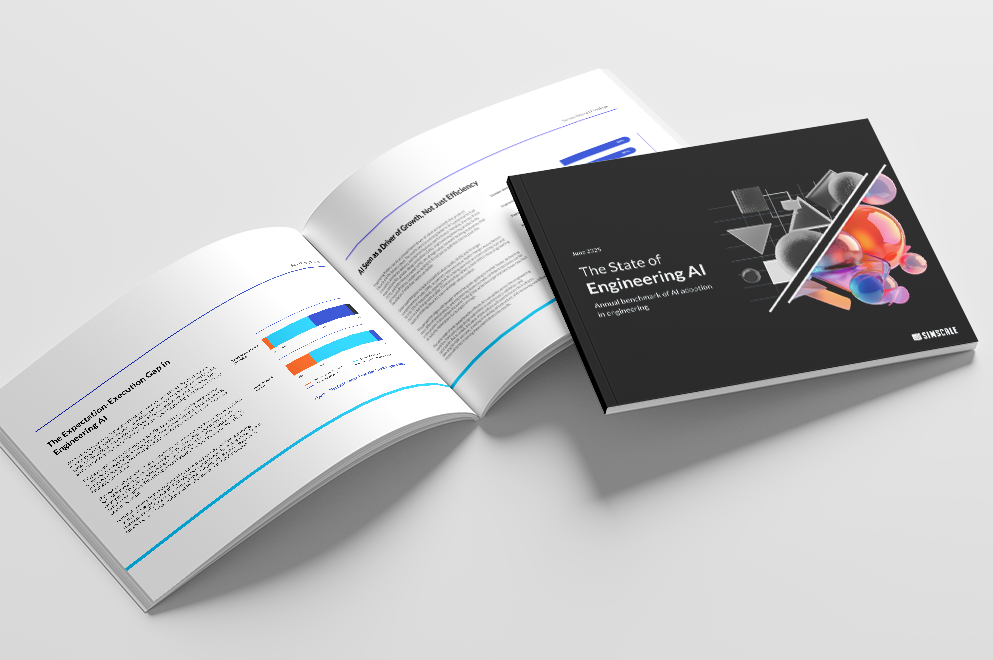
Multi-agent workflows: key takeaways from Design & Simulation Week 2026
SimScale and CoLab demonstrated live AI agent collaboration at Design & Simulation Week 2026, cutting engineering review and simulation lead times dramatically.
Alex Graham
June 12, 2026

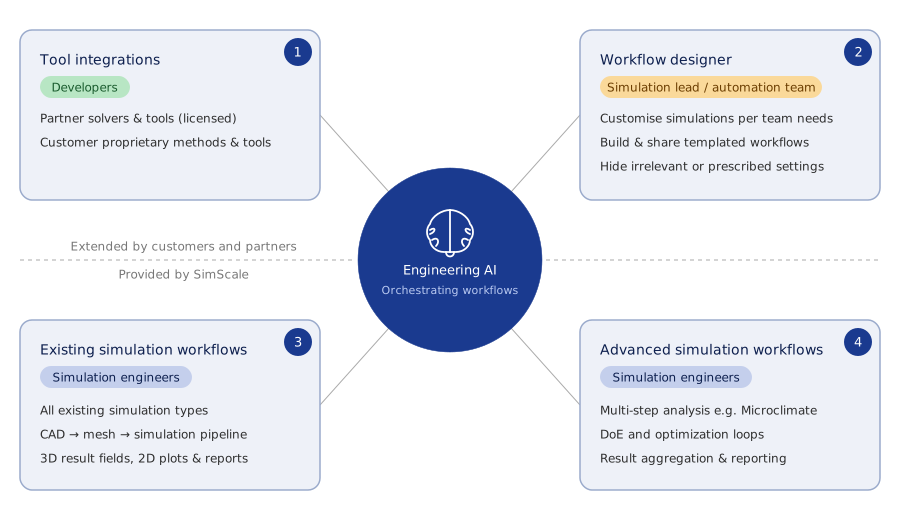
SimScale Workflows: Why we are opening up the platform (& why you should care)
SimScale Workflows opens its platform to custom solvers and tools, enabling automated, AI-driven multi-step engineering simulation pipelines for any organization.
Alex Graham
May 29, 2026



Luis Goncaves
June 18, 2026
Luis Goncaves
January 27, 2026

Paras Ghumare
December 4, 2025


Jon Wilde
June 16, 2026

David Heiny
June 15, 2026
Jon Wilde
June 3, 2026

Peter Selmeczy
March 24, 2026
Peter Selmeczy
September 10, 2025
Peter Selmeczy
June 25, 2025
Peter Selmeczy
May 29, 2026
SimScale covers ship hulls, propellers, ducted thrusters, rudders, hovercraft, wing-in-ground craft, floating tidal turbines, subsea pipelines and valves, offshore equipment, and onboard HVAC and ventilation. CFD, multiphase, FEA, and thermal analysis run in one project.
No. SimScale runs in the browser. There's no install, no VPN, no on-prem HPC to maintain. Naval architects can run simulation from shipyards or offshore sites with just an internet connection.
Yes. SimScale's cavitation model handles propeller cavitation and vapor-bubble damage; the multiphase VOF solver handles hull free-surface flow, tidal-turbine free-surface effects, and offshore renewables. Multiphase runs complete in hours on elastic cloud compute, with no HPC queue.
Yes. Marine vessels need fluid, structural, and thermal coupling on the same geometry. SimScale runs these in one platform with shared meshes and a single results store, so a hull-resistance and structural assessment or a propeller-rudder analysis stays in one project.
Yes. SimScale runs at enterprise scale with SSO, role-based access, and centralised admin. Teams can collaborate across design offices, shipyards, and offshore sites from any browser, with no VPN or shared workstation required.
Explore industries
Start simulating your next marine program today
Join 800,000+ engineers who use SimScale to validate designs faster, reduce prototyping costs, and bring better marine vessels and offshore equipment to market.