Industries


Energy Simulation
AI-Native Simulation for Energy Engineers
SimScale gives energy engineering teams browser-based CFD, FEA, and thermal simulation, with Engineering AI to automate setup and Physics AI for instant design iteration — covering wind turbine aerodynamics, offshore structural integrity, rotating machinery, and heat exchanger performance.
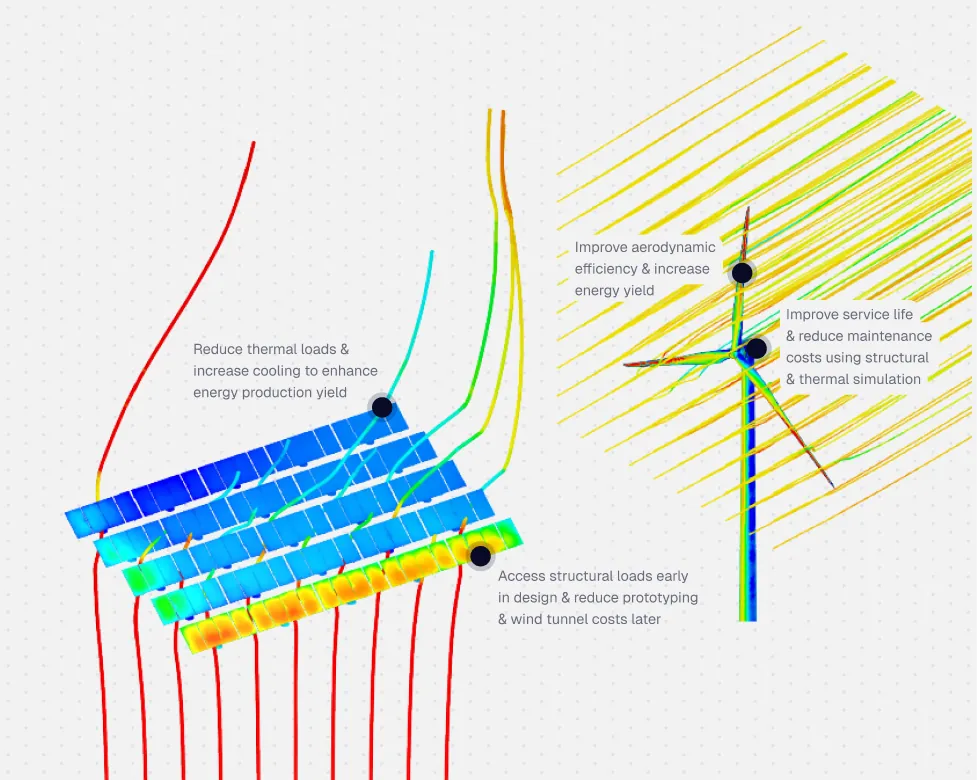












SimScale gives energy engineers one platform for the full physics of energy asset design - aerodynamics, structural integrity, thermal, and electromagnetics. From wind turbines to offshore platforms, no infrastructure required.
How SimScale benefits the energy sector
Optimize asset performance from early design
Run aerodynamic and structural simulations on wind turbines, hydropower devices, and rotating equipment before hardware commitments are made. SimScale's cloud infrastructure lets teams run multiple design configurations simultaneously, compressing design cycles without waiting for HPC time.
Cut physical testing costs
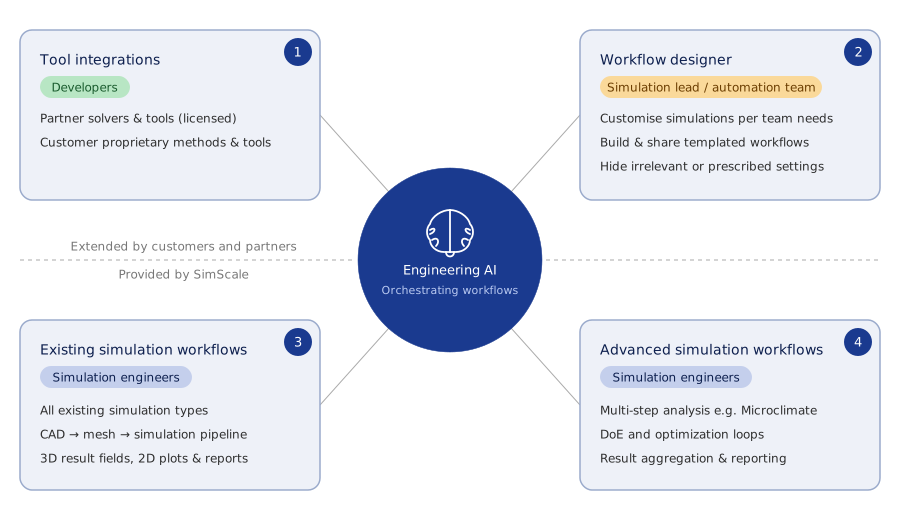
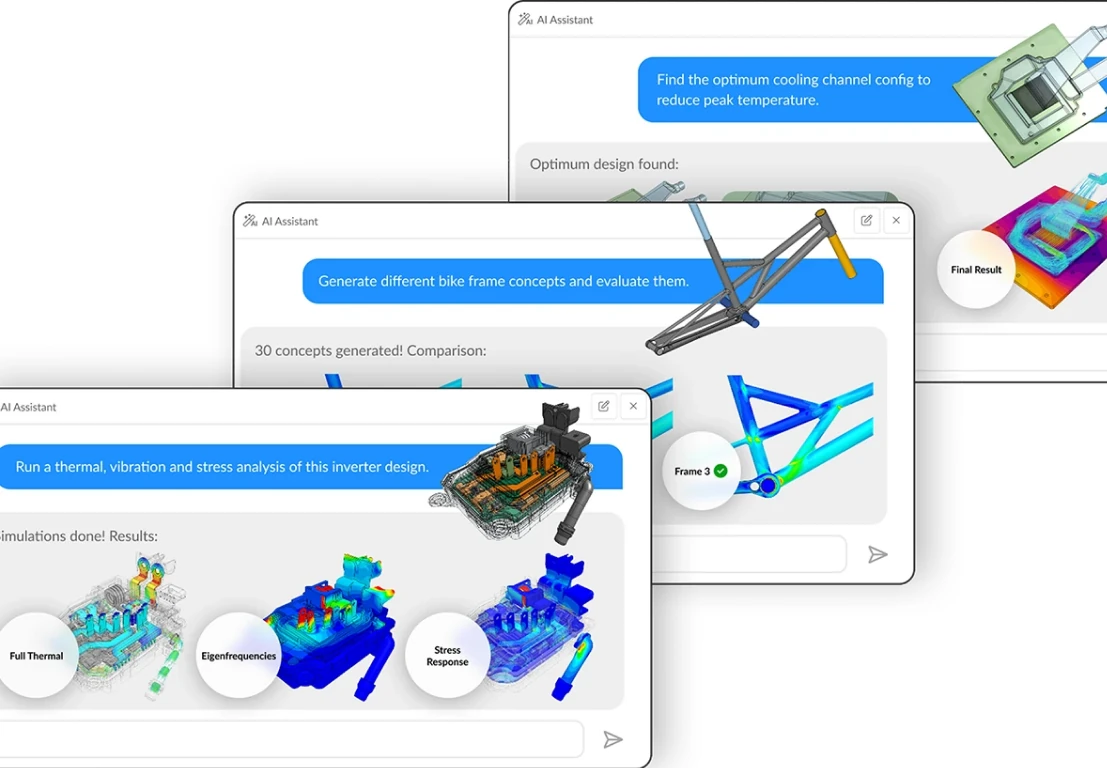
SimScale's Engineering AI automates meshing and simulation setup, so engineers run more simulations per project and spend less time on manual preparation. Virtual testing of pumps, pipelines, storage tanks, and offshore structures reduces reliance on expensive physical tests and catches failures before production.
Scale simulation across your engineering organization
SimScale is browser-based with no installation or HPC requirements. Engineering teams across sites can collaborate on simulation projects, share results, and iterate together, making broad simulation adoption straightforward for large energy companies and distributed project teams.
Simulation built for energy engineering
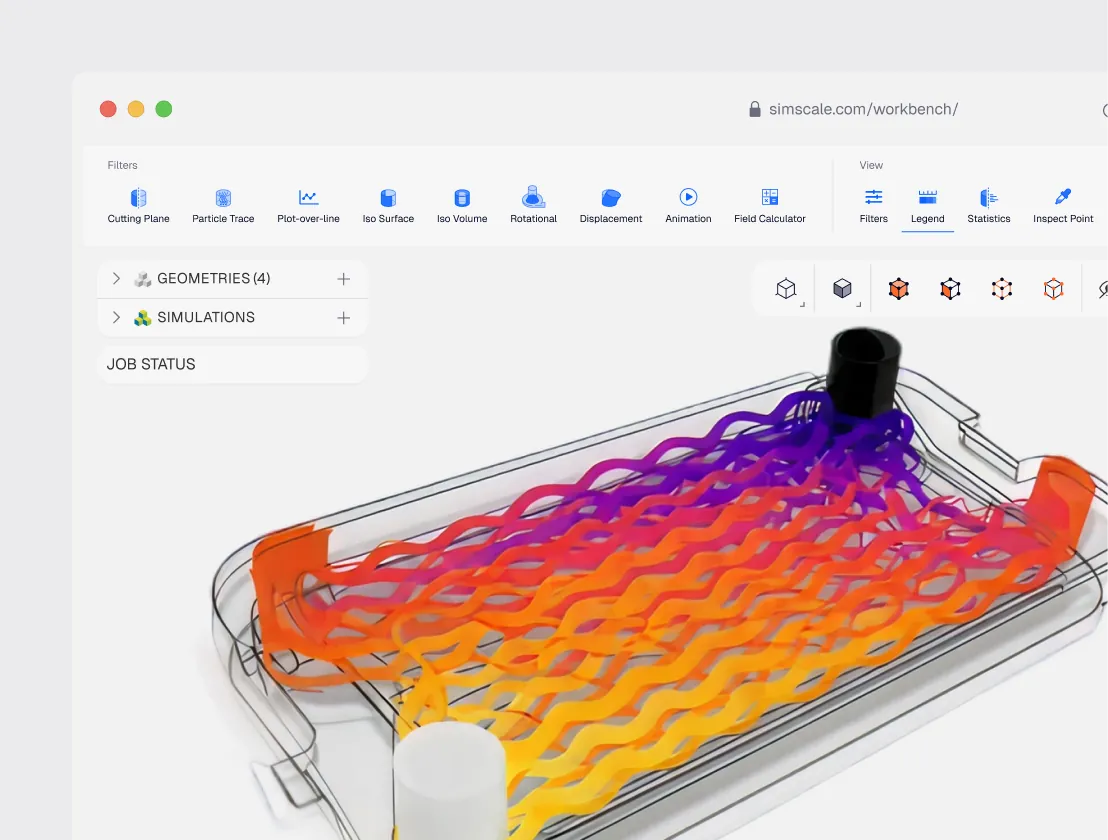
All the physics your energy designs require, in one platform
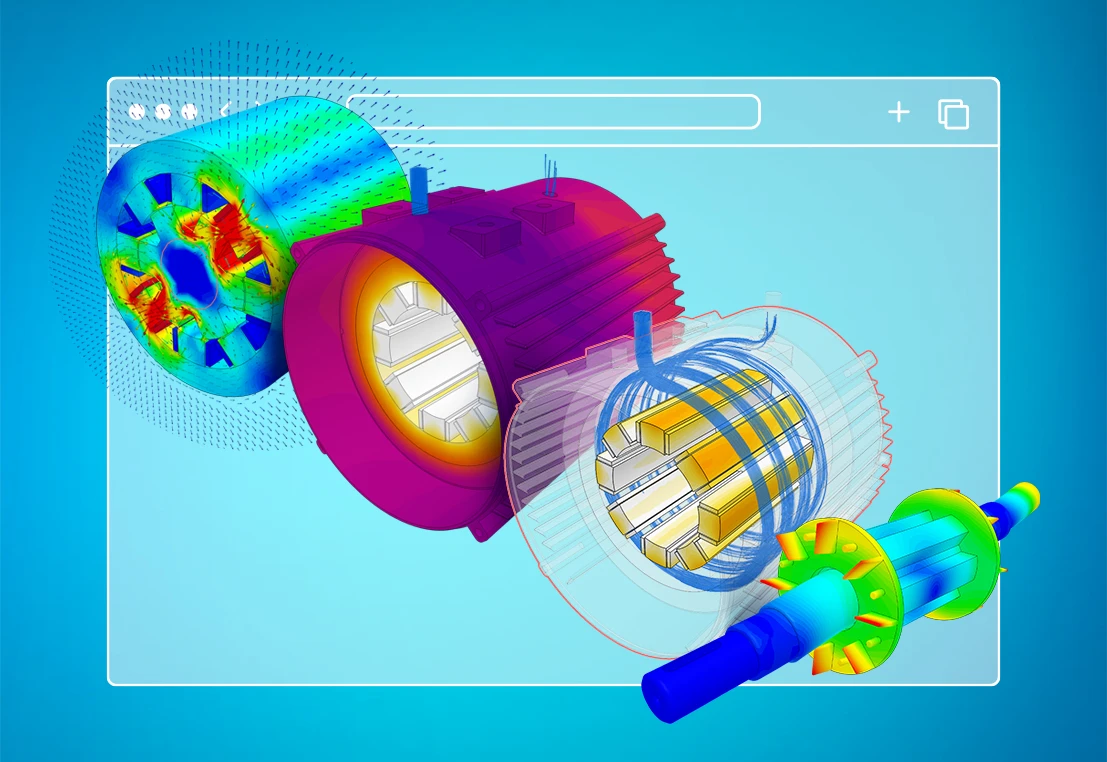
CFD, FEA, thermal, and electromagnetic simulation run in a single cloud-native platform, covering internal and external flow, structural integrity under extreme loads, thermal behavior of heat exchangers and storage systems, and electromagnetic analysis for generators and motors. No tool switching, no data re-entry.
Physics AI delivers instant predictions for rapid design iteration
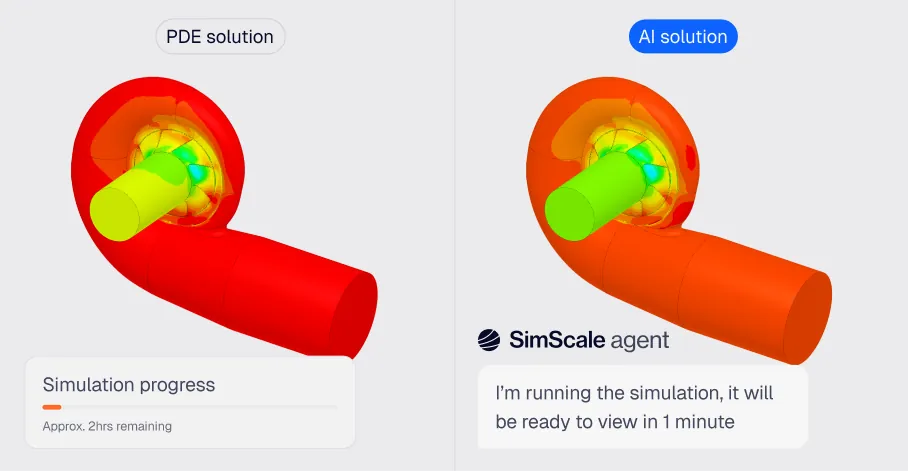
Physics AI gives near-instant performance predictions for geometry changes to turbine blades, pump impellers, or heat exchanger configurations, trained on high-fidelity simulation data. Get feedback on design changes before committing to full solver runs, enabling design space exploration across thousands of variants.
Browser-based collaboration for distributed energy teams
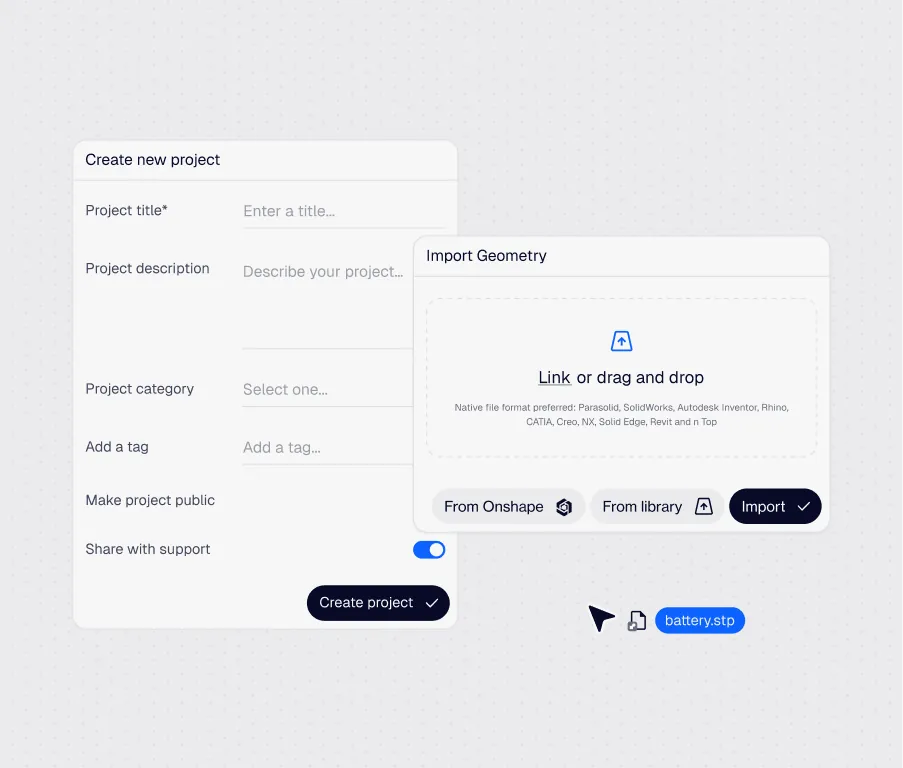
No VPN, no remote desktop, no HPC setup. Every engineer on your team can access simulations from a browser, run models in parallel, and collaborate in real time. Projects, results, and best-practice templates are shared across sites and time zones, lowering the barrier for organization-wide simulation adoption.
Proven across the energy portfolio
From rotating machinery and fluid systems to offshore structural integrity and thermal energy storage, SimScale covers the full scope of energy engineering simulation.
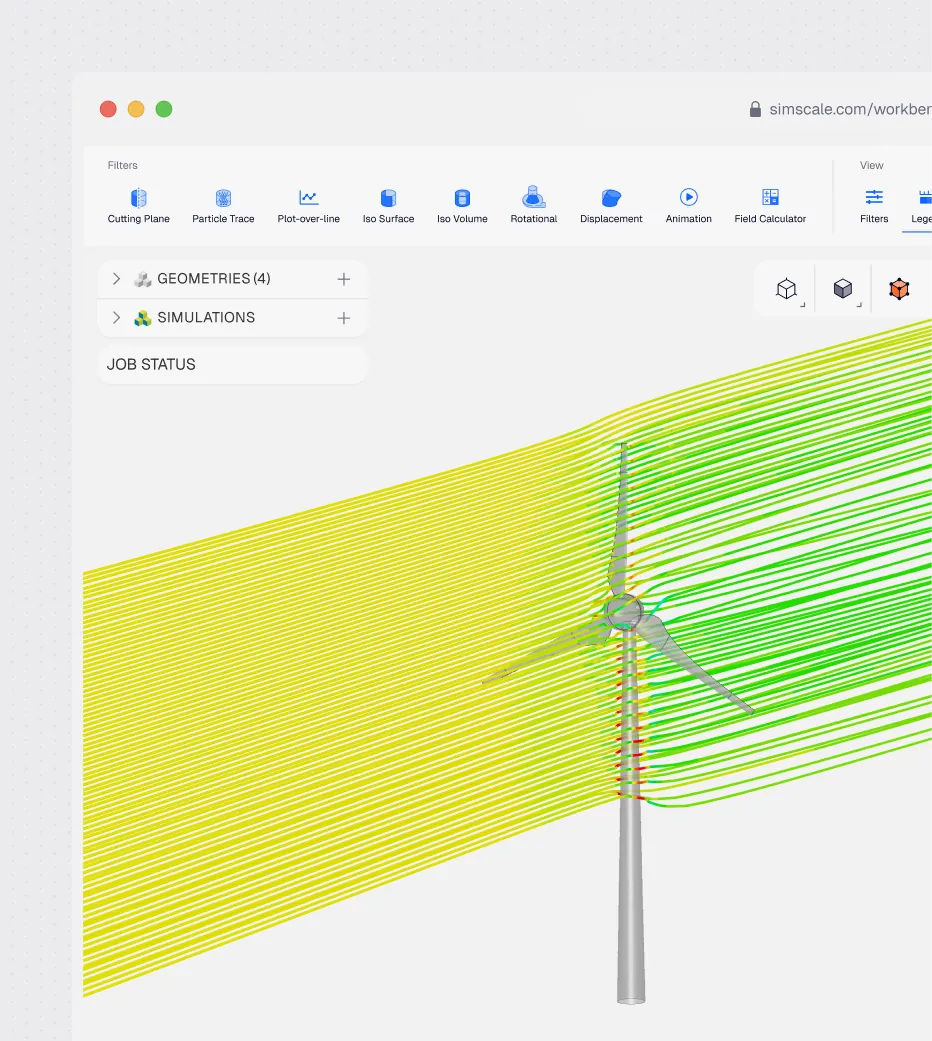
Aerodynamics CFD for wind turbines
Simulate blade aerodynamics, wake interactions, and array performance at full scale using RANS and LES turbulence models. Maximize energy yield through simulation-driven iteration of rotor geometry, tip-speed ratio, and cut-in wind speed.
Structural analysis for pressure vessels and offshore infrastructure
Predict burst pressure, fatigue life, and thermomechanical stress in pressure vessels, pipelines, and offshore structures. Validate designs against ASME, DNV, and ISO standards for 25+ year design lifespans.
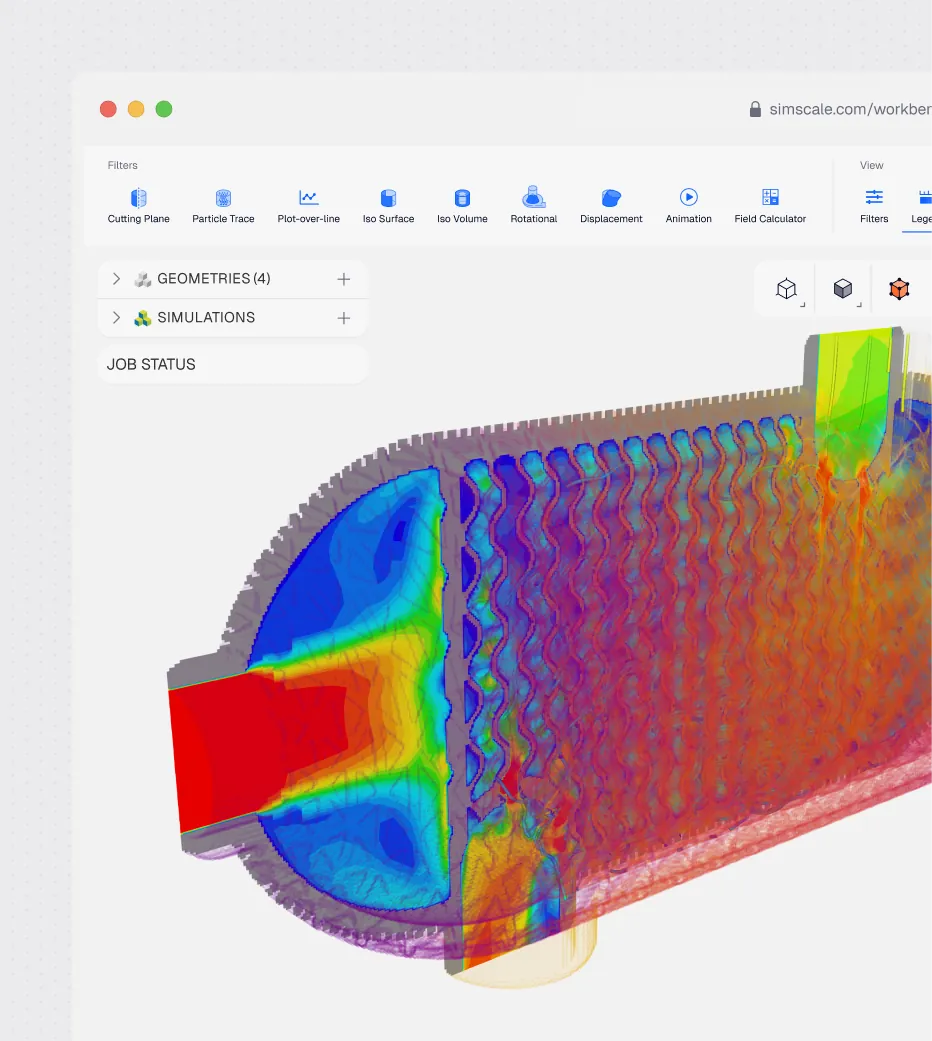
Thermal simulation for heat pumps and heat exchangers
Model heat transfer, refrigerant flow, and thermal efficiency across heat pump and heat exchanger designs using conjugate heat transfer (CHT) simulation. Optimize COP and heat transfer coefficients without physical prototyping.
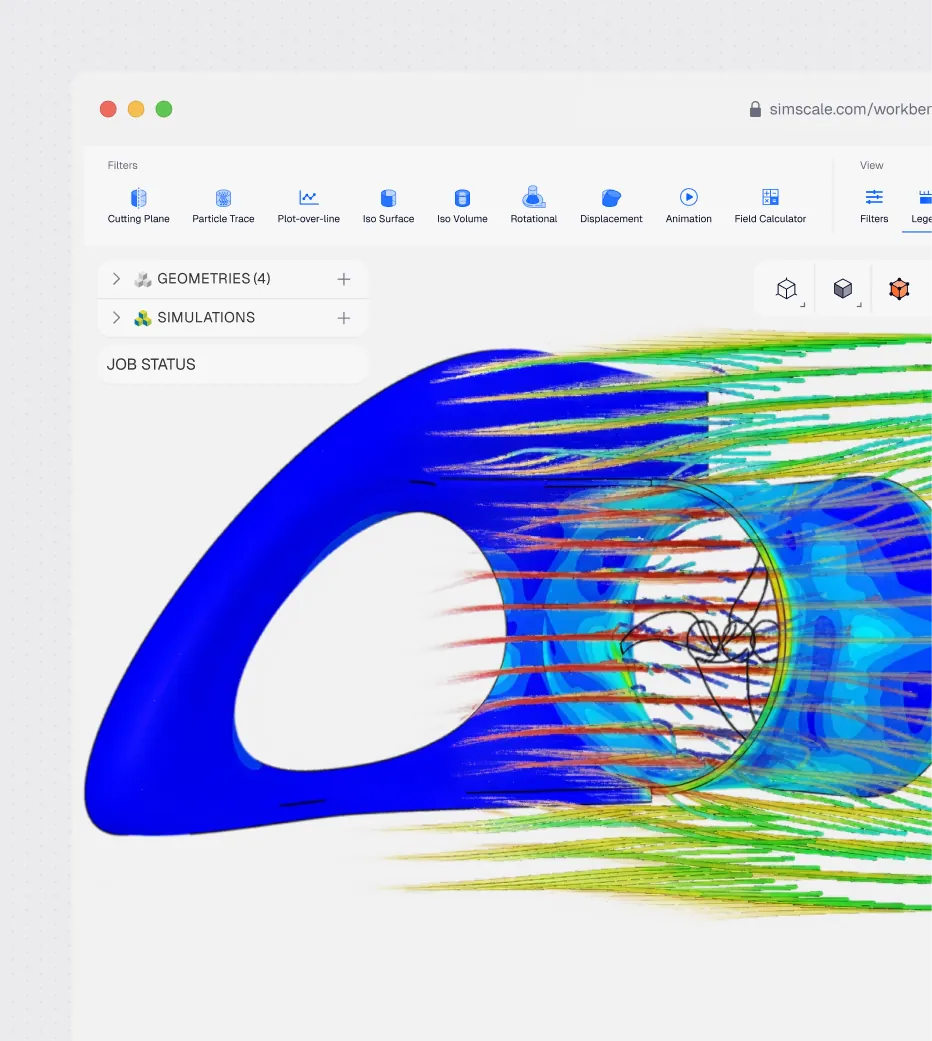
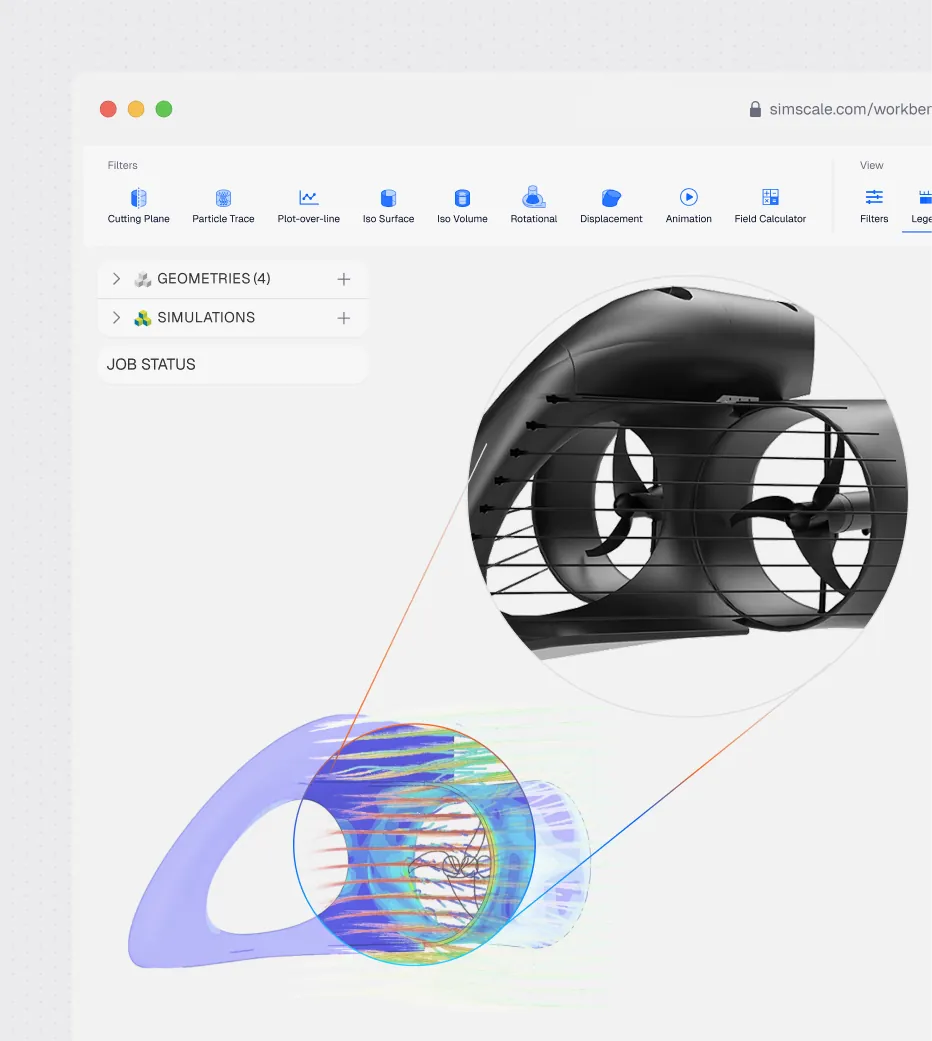
CFD for hydro, tidal, and rotating machinery
Simulate turbine hydrodynamics, cavitation, and structural response for Kaplan turbines, Francis turbines, and tidal stream devices. Validate designs across the full operating envelope, including variable flow and off-design conditions.
Industry-specific case studies
Energy engineering teams worldwide use SimScale to compress design timelines, cut testing costs, and bring better products to market.
See all solutions50% time saved
Learn More


"We typically save around 50% of our time by using SimScale compared to what we have used before."
2–3 months saved
Learn More


"To get the results from a scale model testing program would have taken 1–2 months and cost £10k for each iteration of the design. With SimScale, we were able to run simulations in just under an hour and make small design changes and run again, this condensed the iterative design process down to several days."
300+ design variants
Learn More


"Because of the computational resources of the cloud, and the parallel simulation runs coupled with CAD associativity in the SOLIDWORKS add-in, I was able to simulate a combination of flow and structural analysis at low cost. The hard work has resulted in over 16 patents for our unique thermal energy storage system."
Related resources

Alex Graham
June 16, 2026
Multi-agent workflows: key takeaways from Design & Simulation Week 2026
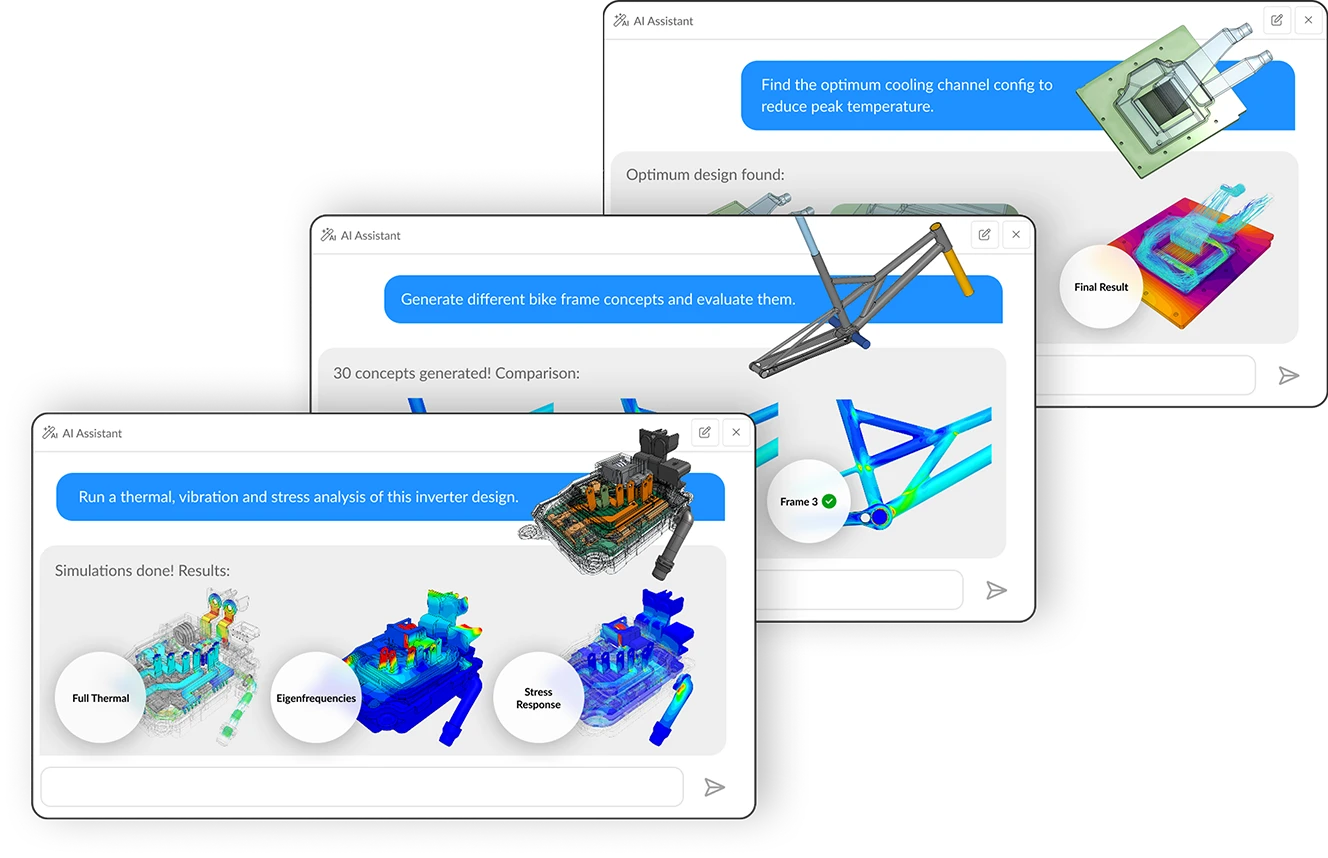
SimScale and CoLab demonstrated live AI agent collaboration at Design & Simulation Week 2026, cutting engineering review and simulation lead times dramatically.
Alex Graham
June 12, 2026

SimScale Workflows: Why we are opening up the platform (& why you should care)
SimScale Workflows opens its platform to custom solvers and tools, enabling automated, AI-driven multi-step engineering simulation pipelines for any organization.
Alex Graham
May 29, 2026



Luis Goncaves
June 18, 2026
Luis Goncaves
January 27, 2026

Paras Ghumare
December 4, 2025


Jon Wilde
June 16, 2026


David Heiny
June 15, 2026
Jon Wilde
June 3, 2026

Peter Selmeczy
March 24, 2026

Peter Selmeczy
September 10, 2025
Peter Selmeczy
June 25, 2025
Peter Selmeczy
May 29, 2026
SimScale covers CFD, FEA, thermal, and electromagnetic simulation for energy applications. This includes wind turbine aerodynamics, structural analysis of offshore platforms, thermal behavior of heat exchangers and energy storage systems, fluid flow in pipelines and pumps, and electromagnetic analysis for generators and motors.
No. SimScale is fully browser-based with no installation, VPN, or HPC setup required. Your team can run and collaborate on simulations from any browser, with elastic cloud compute scaling automatically based on job size.
Physics AI delivers near-instant performance predictions for geometry changes to turbine blades, pump impellers, or heat exchanger configurations, trained on high-fidelity simulation data. Renewable energy engineers can explore hundreds of design variants before committing to full solver runs, compressing the design space exploration phase from weeks to hours.
Yes. CFD, FEA, and thermal simulation run in a single platform, enabling coupled analyses such as fluid-structure interaction for offshore structures under wave loading, conjugate heat transfer in storage systems, and thermomechanical analysis of pressure-cycled pipelines and vessels.
Yes. SimScale's browser-based, cloud-native architecture means deployment needs no per-seat HPC licensing or on-premise infrastructure. Engineering teams across multiple sites and disciplines collaborate in shared projects, with role-based access control and centralized results management.
Explore industries
Start simulating your energy systems today
Join 800,000+ engineers who use SimScale to maximize asset performance, reduce engineering costs, and accelerate sustainable energy development.