LED Lighting Fixture Design Software
Cloud-native thermal simulation for LED luminaires that run cooler and hold their light output longer
Predict LED junction temperature, heat sink performance, and airflow through the whole luminaire in your browser, then test every design change before you build a prototype.

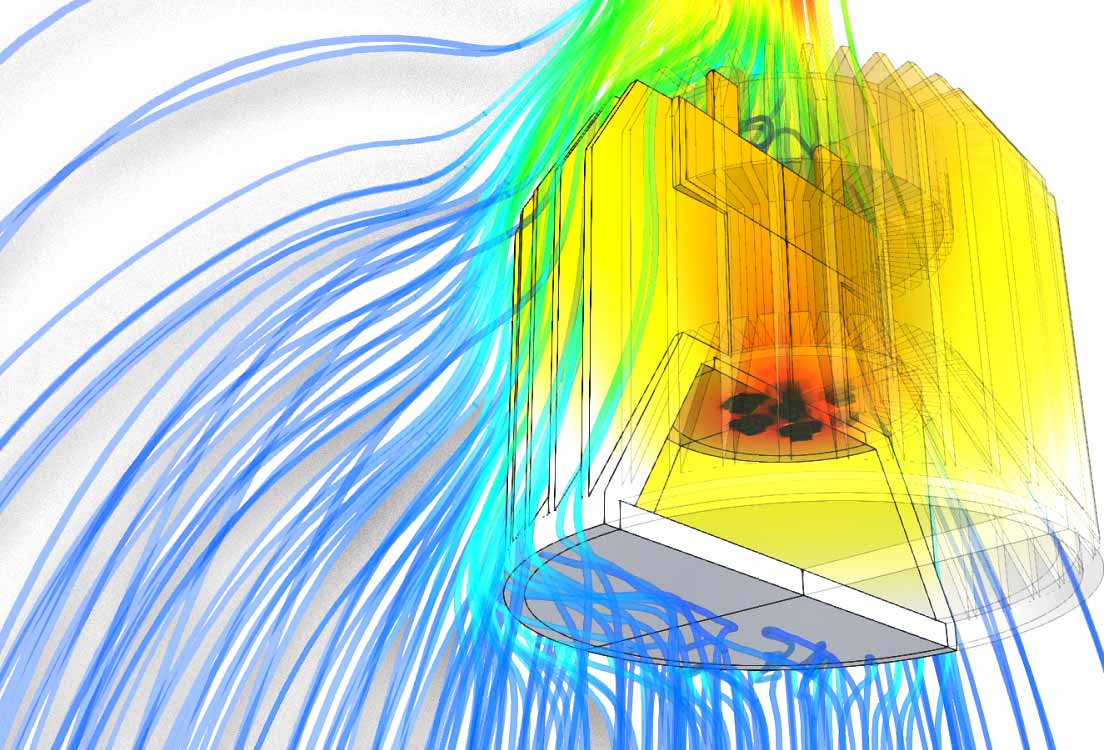


Heat decides how long an LED fixture holds its light output. But thermal prototypes take weeks, and on-premises CFD needs hardware and specialists most lighting teams don’t have. SimScale runs CFD, conjugate heat transfer, and FEA in one cloud-native platform, so engineers check junction temperatures and heat sink designs from the first CAD model.
LED lighting fixture simulation that covers your full thermal design challenge
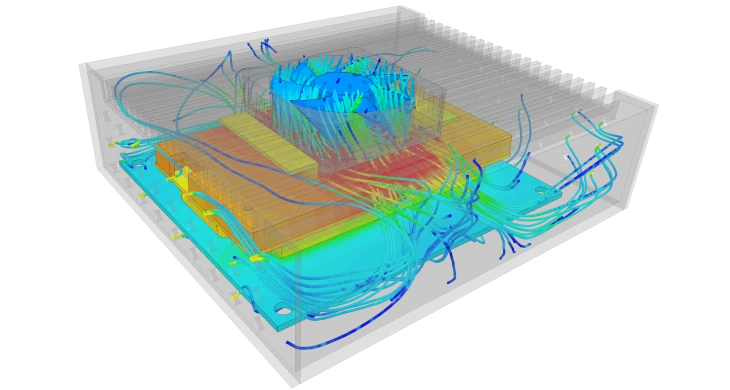
Multiphysics LED fixture simulation: CFD, thermal, and FEA in one platform
A luminaire is a heat source, a heat sink, a housing, and a mount. SimScale runs conjugate heat transfer through the LED board, heat sink, and surrounding air, then FEA on housings, reflectors, and clips on the same CAD model. Lazer Lamps used FEA to confirm a screwless headlamp reflector mount still holds after 10 years of material creep.
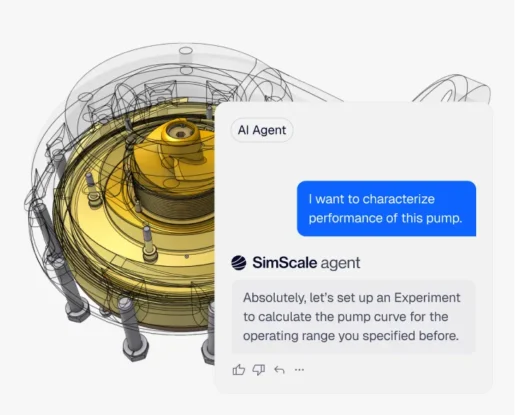
AI-native LED fixture design optimization
Engineering AI automates simulation setup, meshing, and post-processing on luminaire geometries. Physics AI delivers near-instant thermal predictions trained on high-fidelity simulation data, so engineers can sweep fin count, heat sink height, and LED spacing in seconds before committing to a full CHT run.
Cloud simulation: more variants, faster
Run heat sink and housing variants in parallel, with no on-prem HPC, VPN, or license ceiling. Luke Roberts simulates 10 designs at once, and Raycore Lights ran each heat sink variant in about 5 hours instead of tying up a local machine for 80.
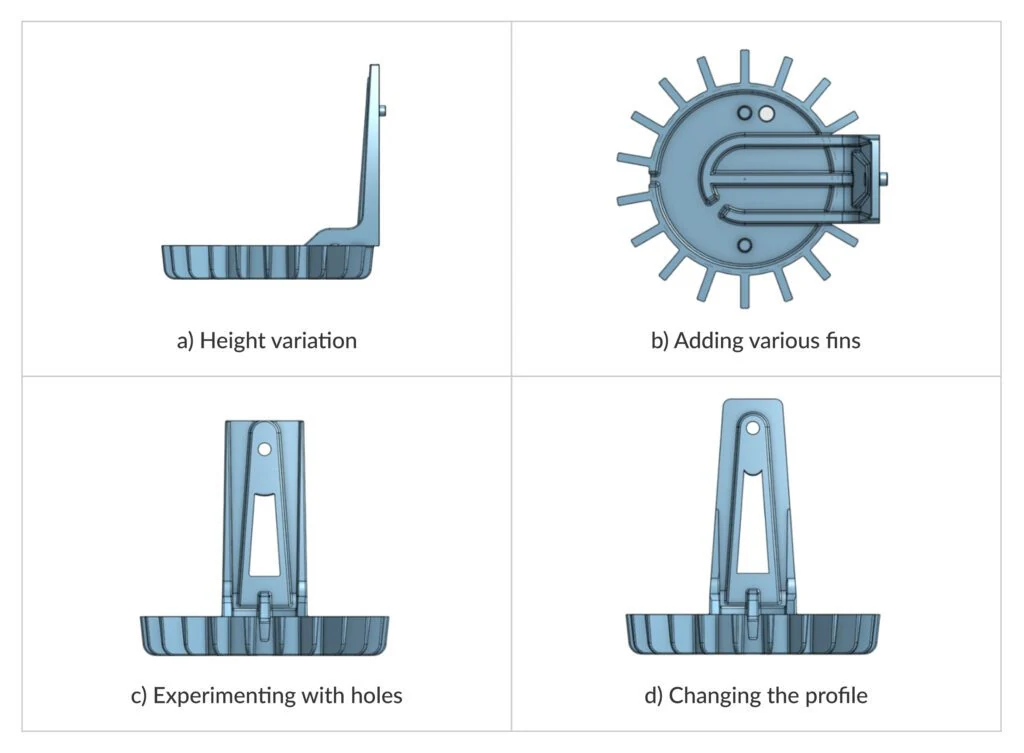
LED heat sink design and material reduction
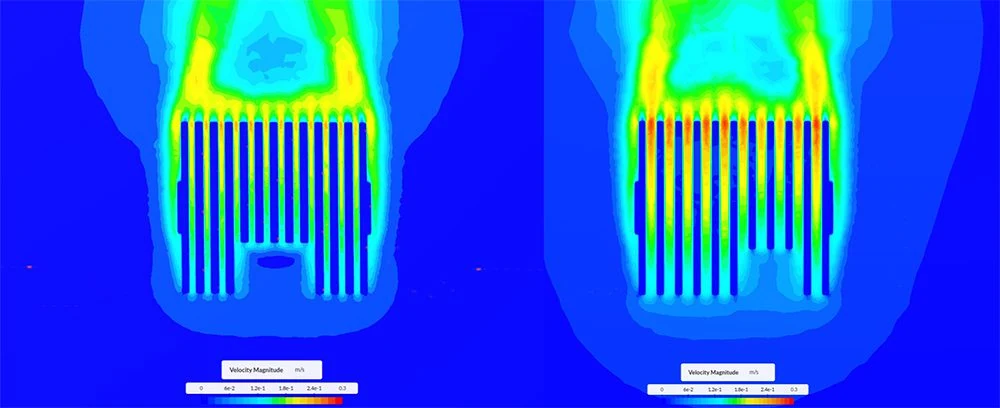
Compare fin count, fin height, profile, and cut-outs to find the lightest heat sink that keeps every component under its limit. Kichler cut heat sink material by 44% on an outdoor wall sconce while keeping PCB, lens, and canopy temperatures within spec.

Natural convection and passive LED cooling
Most luminaires cool by buoyancy alone. Simulate the thermal plume around downlights, high bays, and pendants, and see how mounting orientation, ceiling distance, and fin spacing change the airflow through the heat sink.
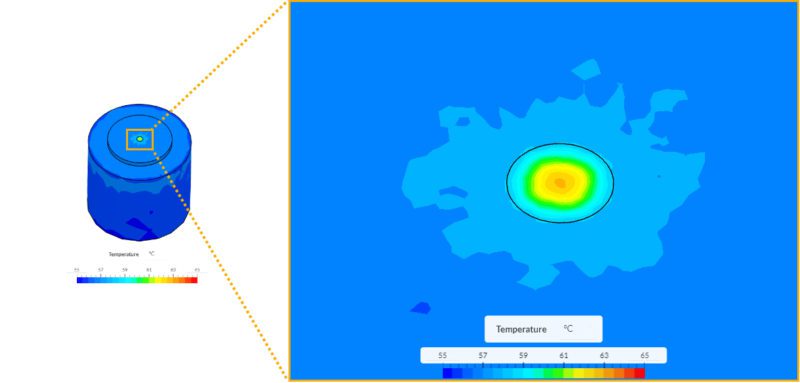
LED junction temperature, PCB, and thermal interface materials
Model the full heat path from LED chip through solder, metal-core PCB, and thermal interface material into the heat sink. Predict junction and board temperatures at each drive current, and compare MCPCB, TIM, and LED spacing options.
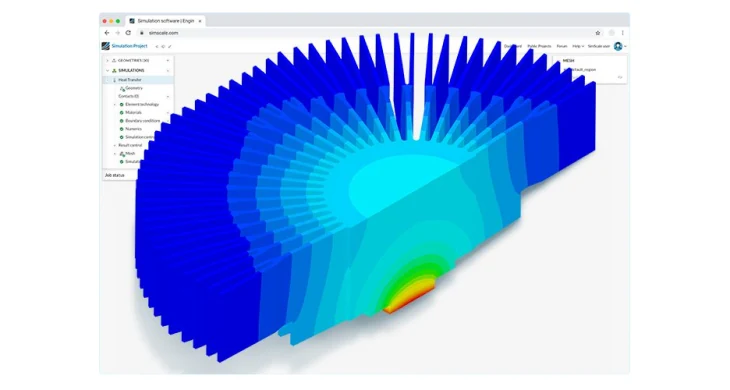
Radiation and surface finish
In a passively cooled fixture, radiation carries a real share of the heat. Include surface-to-surface radiation and emissivity to see what anodizing, painting, or a bare aluminum finish does to heat sink and LED temperatures.

Sealed, outdoor, and IP-rated luminaires
Street lights, floodlights, and IP-rated work lamps trap the LED board and driver inside a closed housing. Simulate internal air circulation, driver heat, and lens and gasket temperatures, and test hot ambient conditions before field trials.
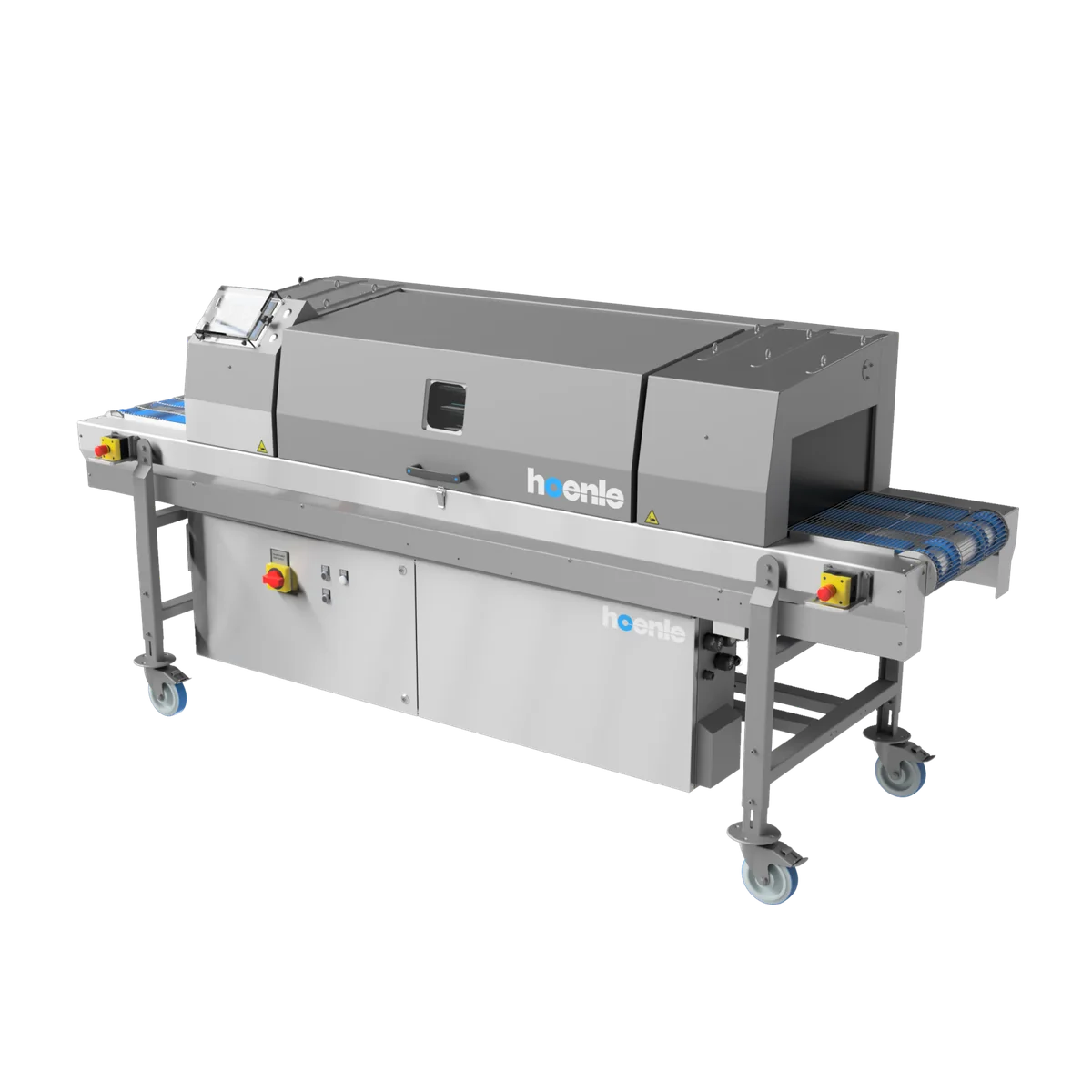
High-power and actively cooled LED systems
When passive cooling runs out, test fans, ducted airflow, and liquid cold plates for high-power LED arrays, UV curing, and horticulture lighting. Hoenle now runs air-cooled UV-LED lamp cases in 1 to 2 weeks that took 4 to 8 weeks with a contractor.

44%
heat sink material saved on an outdoor LED wall sconce
“The total material cost saving was 44%. We eliminated testing and prototype costs on this project entirely.”
Josh Levine, Lead Engineer at Kichler Lighting

50%
saved on simulation platform deployment cost for the Luvo LED pendant lamp
“We simulate ten designs in parallel which we can do with SimScale being fully cloud-native making it faster and easier to use.”
Omid Javanmardi, Design Engineer at Luke Roberts Lighting

Weeks to days
for UV-LED lamp cooling cases, now run in-house in the browser
“Cases that used to take four to eight weeks with a third party, we now get done in one or two.”
Christoph Winter, Design Engineer at Hoenle

8
heat sink design iterations for an overhead LED fixture, run 5 at a time
“The subscription service/cloud computing approach has allowed us to improve our design process and the end products that we provide to our customers without overextending financially, a big win for us!”
Mark Williams, VP Operations and Engineering at Raycore Lights

Fewer trials
CFD checks LED growth-tray changes before each 3-week growth trial
“The platform’s seamless ability to import and work with CAD models created in PTC Creo also streamlined our workflow, eliminating the need for extensive reformatting or adjustments.”
Jill Macmillan, Mechanical Design Engineer at IGS
Resources for LED lighting simulation
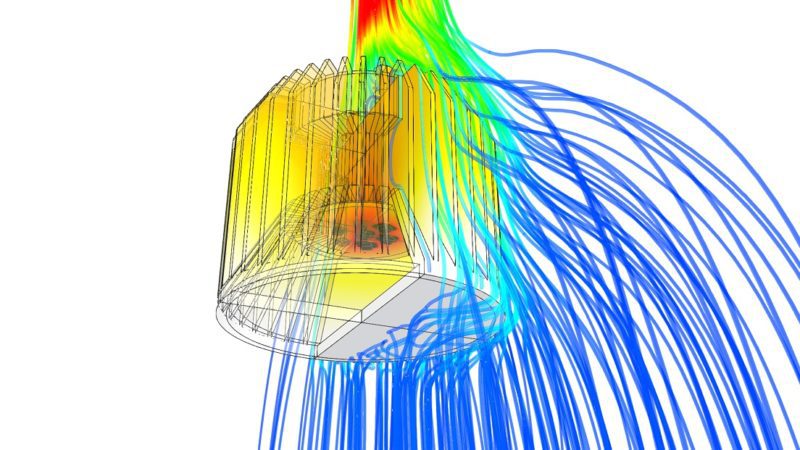
LED Heat Dissipation: An Optimization Guide for Engineers
How junction temperature affects LED output and lifetime, the design factors behind LED heat dissipation, and a CHT simulation of an LED spotlight.

Alexander Fischer
October 23, 2026
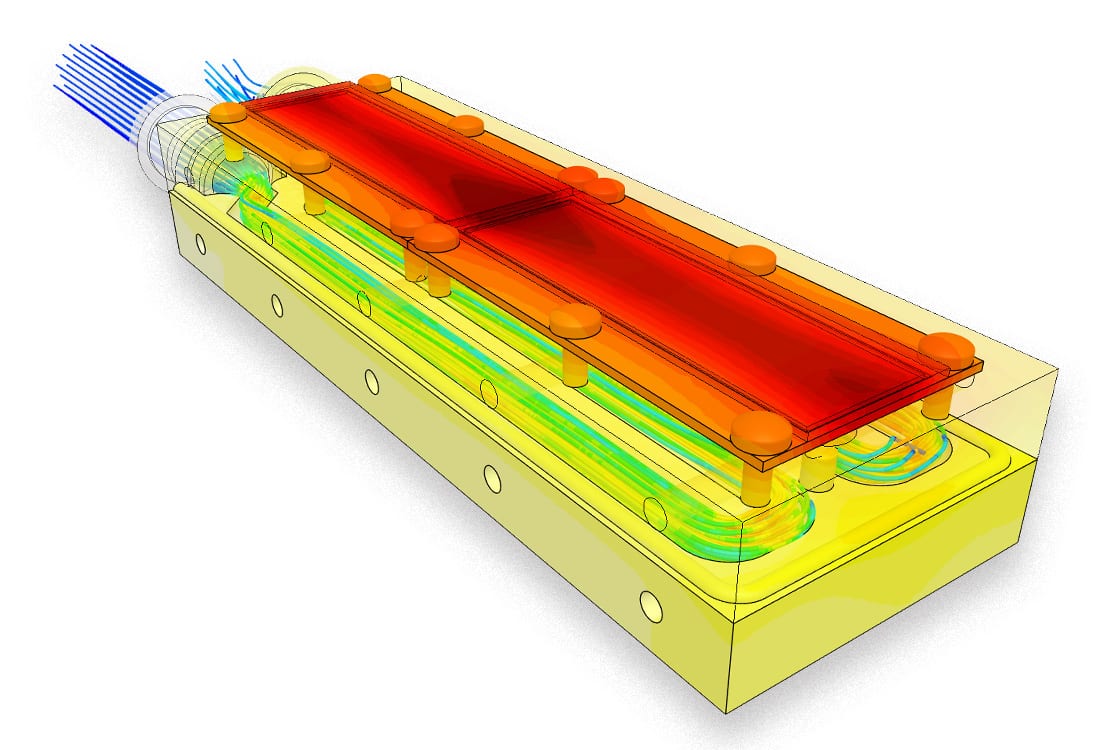
LED Cooling: Liquid Cooling Thermal Management
How to cool LED lights? Use thermal management simulation from SimScale to optimize your LED cooling strategy and find LED cooling solutions.

Arnaud Girin
August 12, 2020
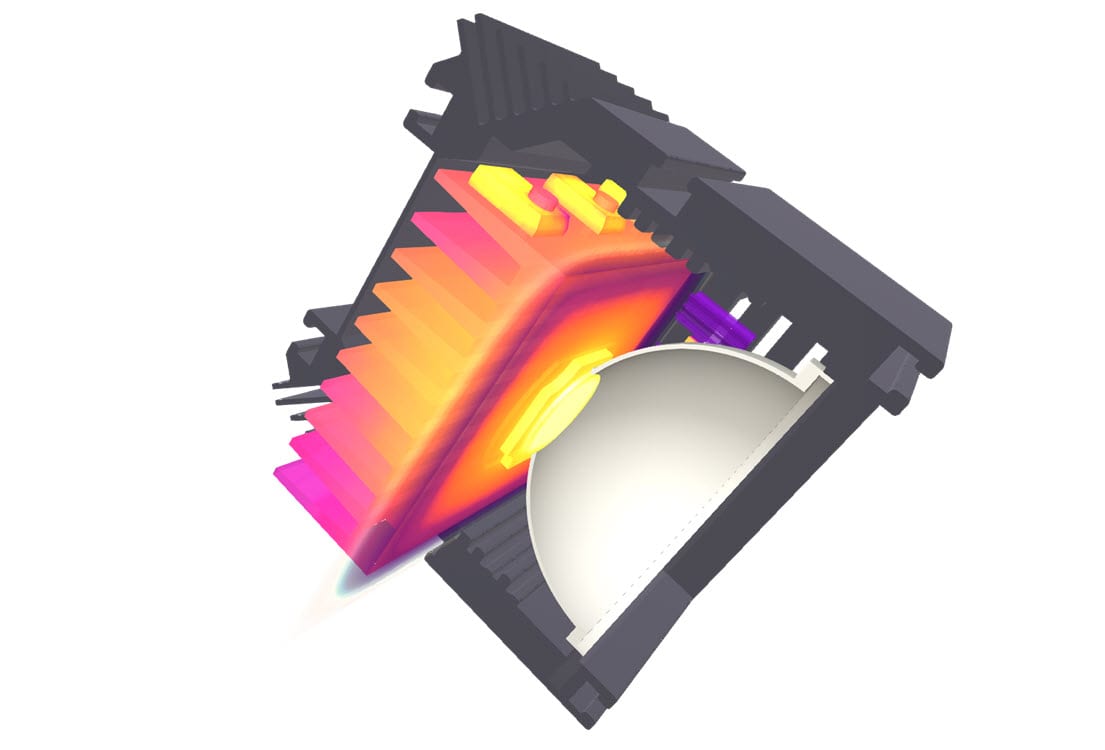
Thermal Performance of Lighting Solutions: LM-80 and TM-21 Lighting Standards
Learn how cloud-based CFD from SimScale can help engineers evaluate thermal performance, and learn about lighting standards LM-80-15 & TM-21.
Arnaud Girin
October 22, 2020

Paras Ghumare
February 18, 2021
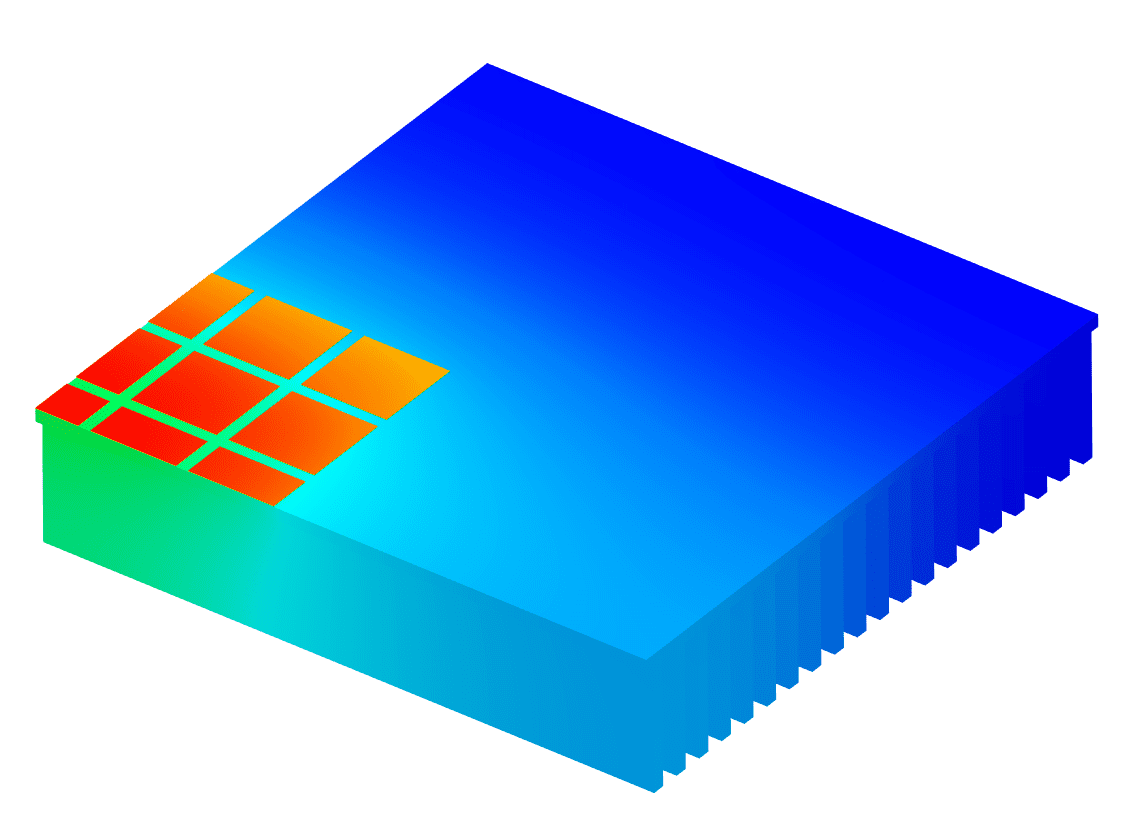

Rishabh Shah
December 19, 2018
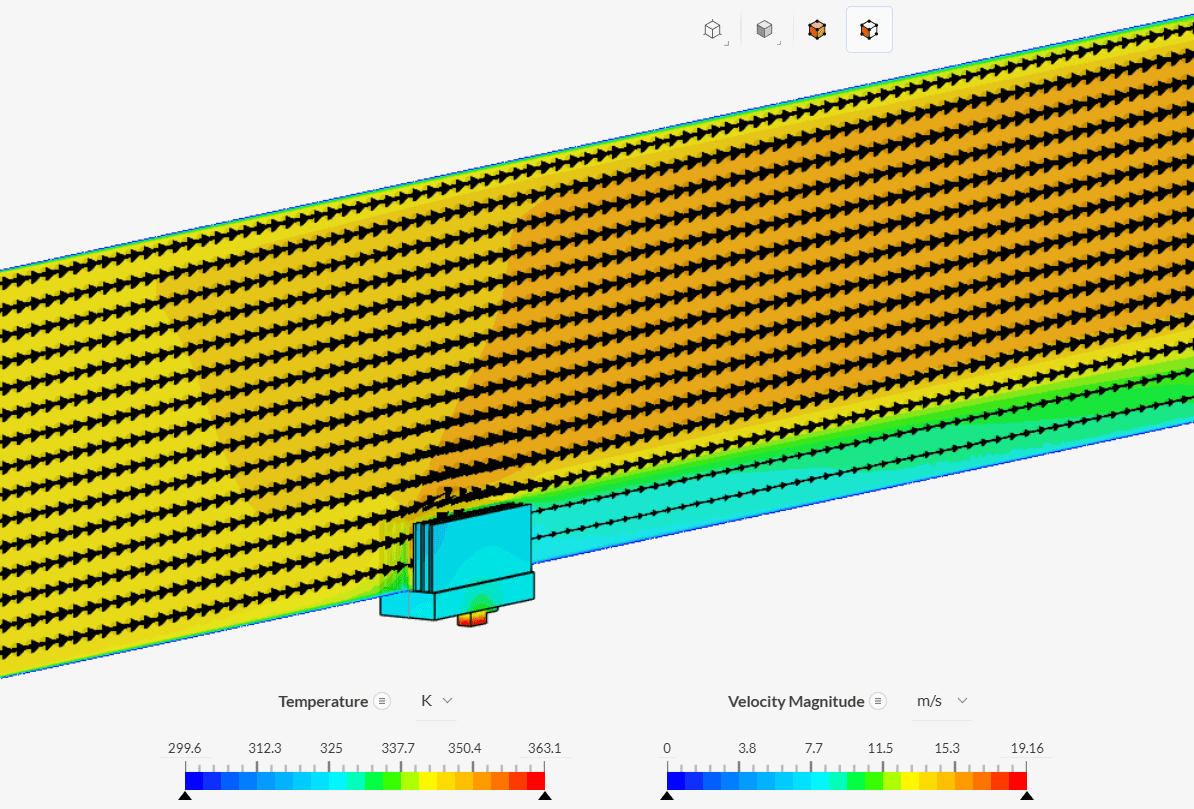
Rishabh Shah
December 16, 2018

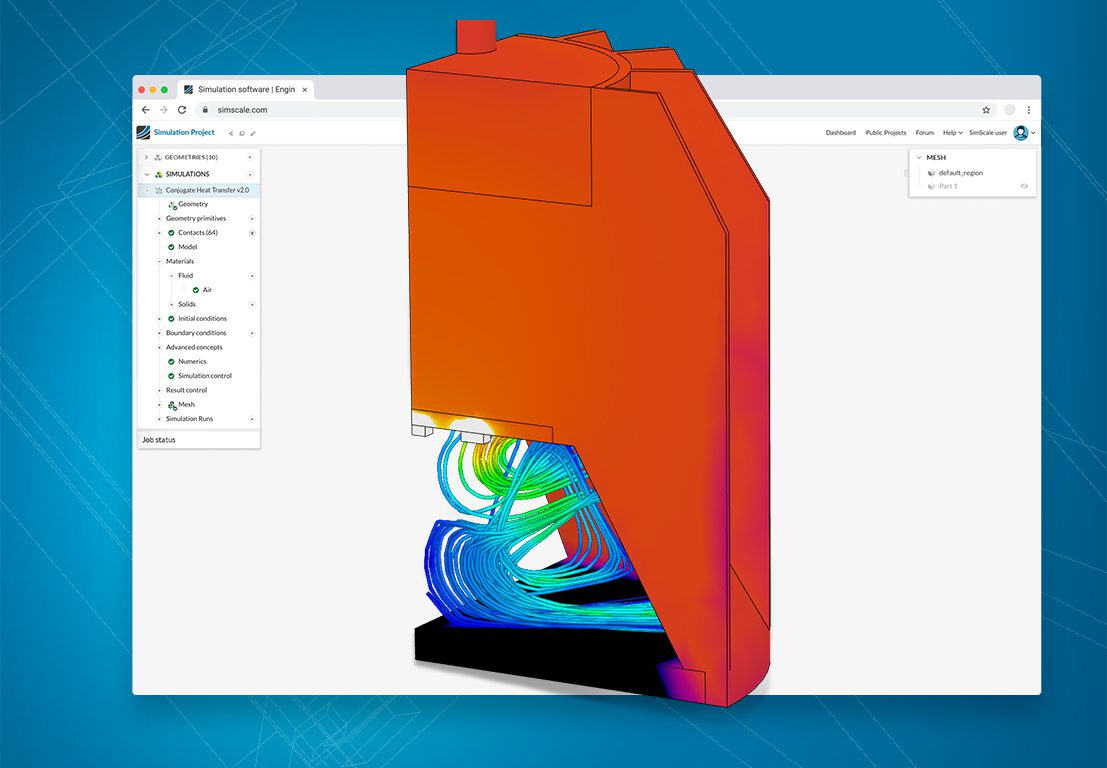
Alexander Fischer
January 13, 2022
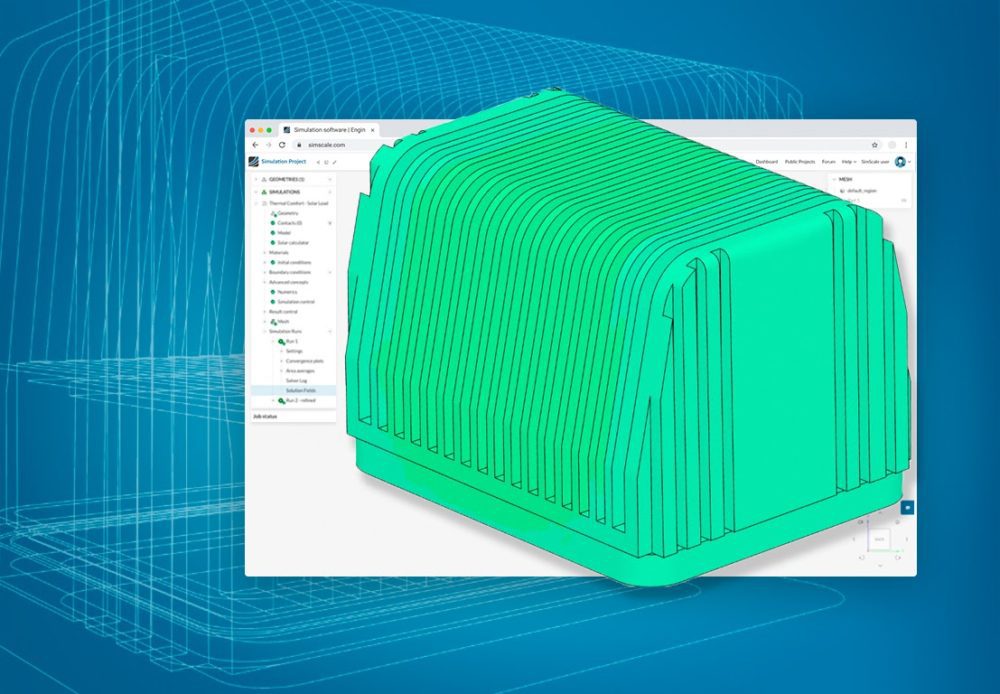

Jousef Murad
June 24, 2021

Alexander Fischer
September 8, 2020

Megan Jenkins
June 3, 2019

Carolina Giavedoni
September 16, 2021

Peter Selmeczy
July 9, 2026


Peter Selmeczy
September 23, 2026
Frequently asked questions about LED lighting fixture simulation
New to LED fixture simulation or evaluating SimScale? Here are the questions we hear most.
ContactLED lighting fixture design simulation uses CFD and conjugate heat transfer to predict how heat moves from the LED chips through the board, heat sink, and housing into the surrounding air. Engineers use it to check junction and component temperatures and compare heat sink and housing designs before building a thermal prototype.
A hotter LED junction loses light output faster and fails sooner. LM-80 test data and TM-21 lifetime projections are reported at specific LED case temperatures, so a simulated in-fixture temperature tells you which lumen maintenance curve your design will follow. Read more on LED lighting standards.
Yes. Assign each LED or chip-on-board as a power source, model the PCB, thermal interface material, and heat sink as solids, and read junction and board temperatures from the conjugate heat transfer results. SimScale’s LED chip-on-plate validation case compares these results with experimental and CFD reference data.
For passively cooled luminaires, yes. Buoyancy drives the airflow through the fins, and radiation from the heat sink surface can make a noticeable difference to LED temperature. SimScale solves both in the same conjugate heat transfer simulation, with surface emissivity set per material or finish.
Downlights, high bays, street lights, floodlights, pendants, wall sconces, LED strips, automotive and motorsport lamps, UV-LED curing systems, and horticulture grow lights. The same workflow covers LED chips, chip-on-board modules, metal-core PCBs, drivers, and full luminaire assemblies.
Import CAD from Onshape, SolidWorks, PTC Creo, CATIA, or STEP files directly in the browser. Kichler and Luke Roberts both run an all-cloud stack with Onshape and SimScale, so geometry changes move from CAD to simulation without file exports.
Copy one of the public LED heat sink projects into your workspace and run it in the browser right after sign-up. Real-time support sits inside the project for setup, meshing, and physics questions, and there’s nothing to install and no HPC or VPN to set up.