Cloud Infrastructure
Elastic compute for simulation and engineering AI
SimScale’s cloud infrastructure provides the scalable compute, unified data management, and secure environments required to run large-scale simulations and train Physics AI models, without the limits of traditional CAE infrastructure.
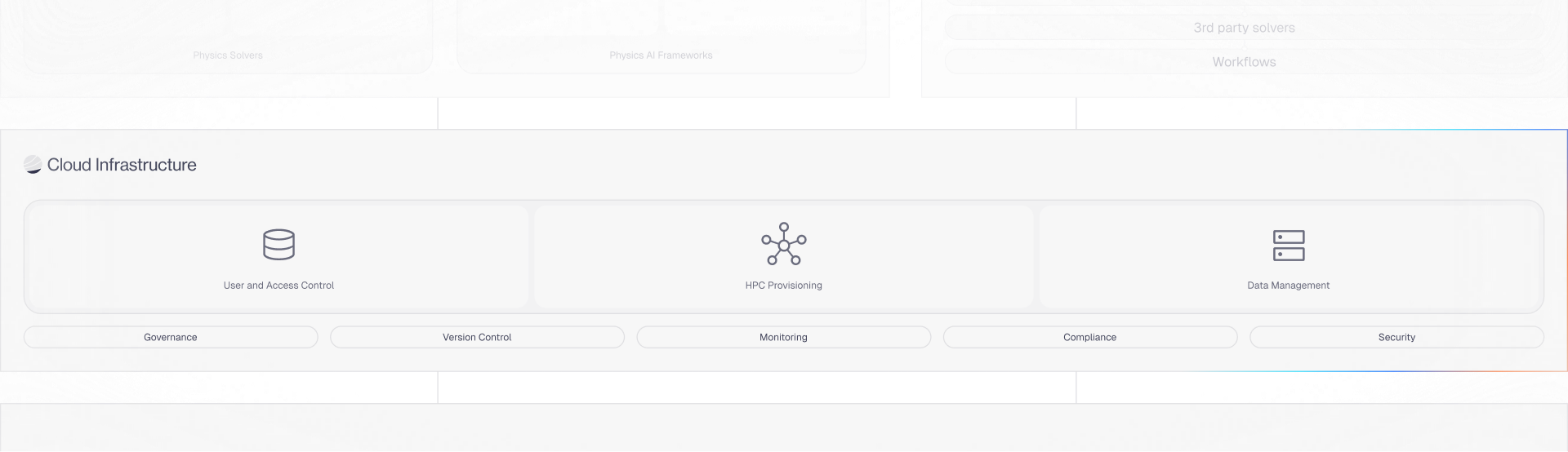












Platform capabilities
The capabilities that provide the scalable compute, unified data foundation, and secure environments required to run large-scale simulations and train AI models.
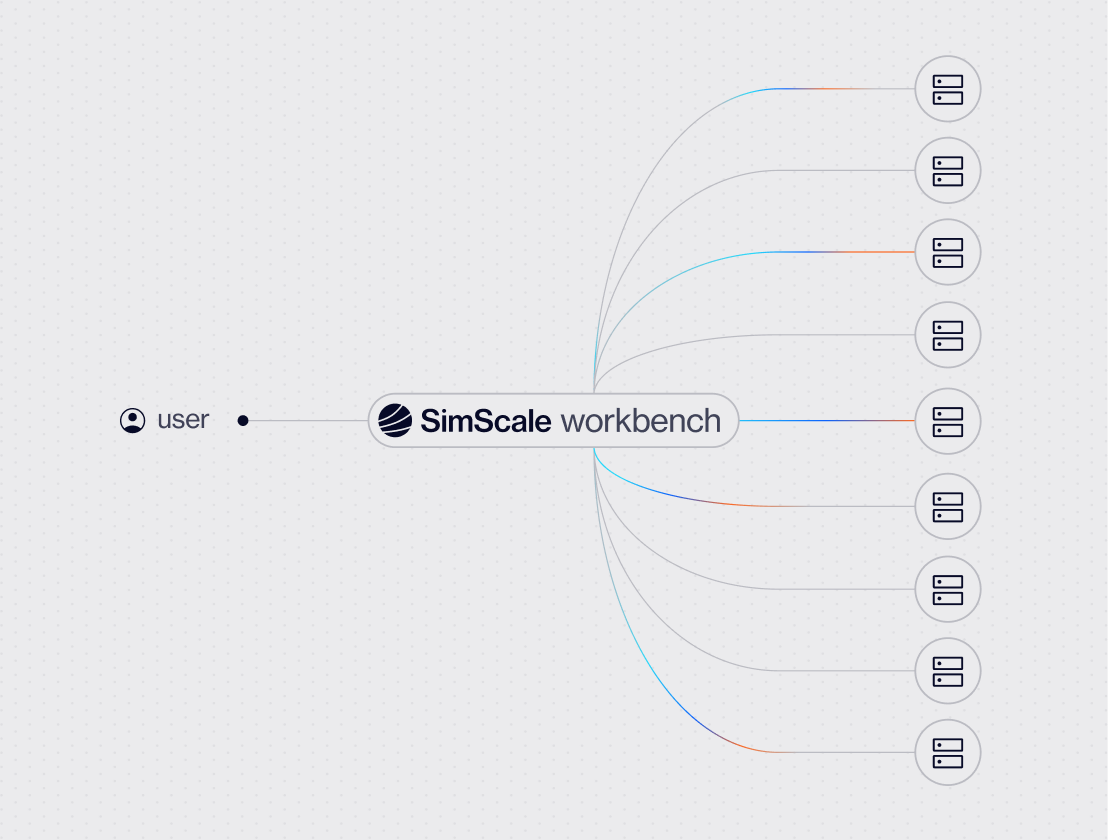
Elastic simulation compute
SimScale runs simulation workloads on elastic cloud compute designed for large-scale engineering. Engineers can run thousands of simulation variants in parallel, enabling exploration of entire design spaces in the time it would traditionally take to run a single simulation. No local hardware or HPC management required, allowing teams to execute parametric studies and large simulation campaigns at scale.
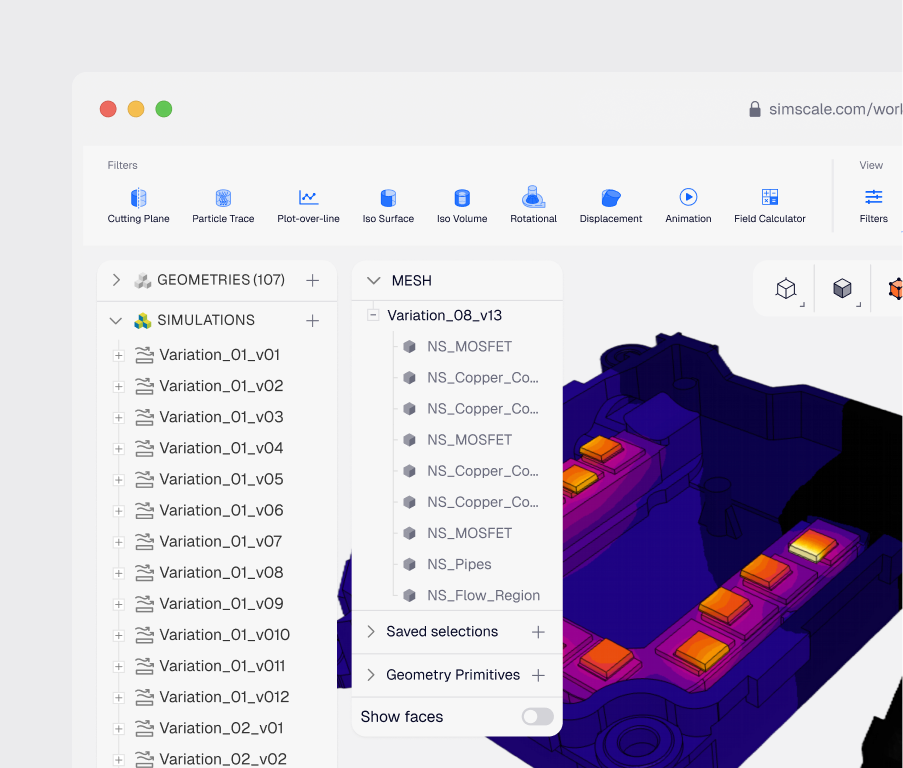
Unified engineering data
All simulation inputs, results, and AI training datasets are stored in a unified, versioned data layer, so teams can reuse results, track model evolution, and maintain traceability across workflows. The same data foundation feeds Physics AI models continuously, turning every simulation run into training signal.
Secure AI training environments
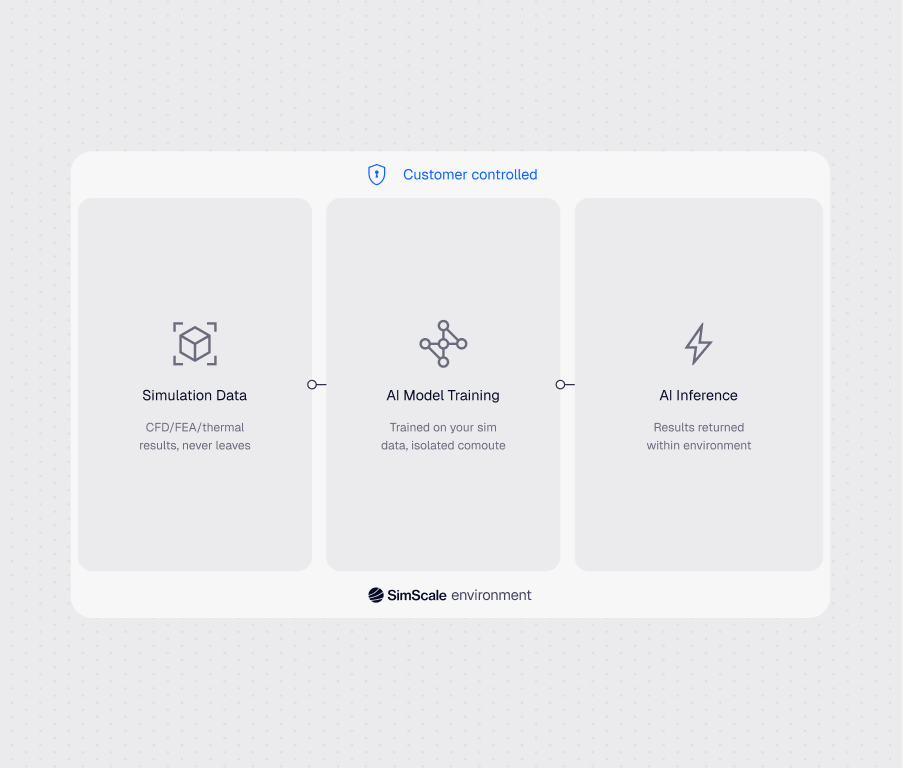
Engineering teams can train and deploy Physics AI models directly within SimScale, without moving data to external infrastructure or managing separate compute environments. Engineering data stays under customer ownership and control throughout, with isolated, auditable environments for every model development cycle.
Simulation process & data management (SPDM)
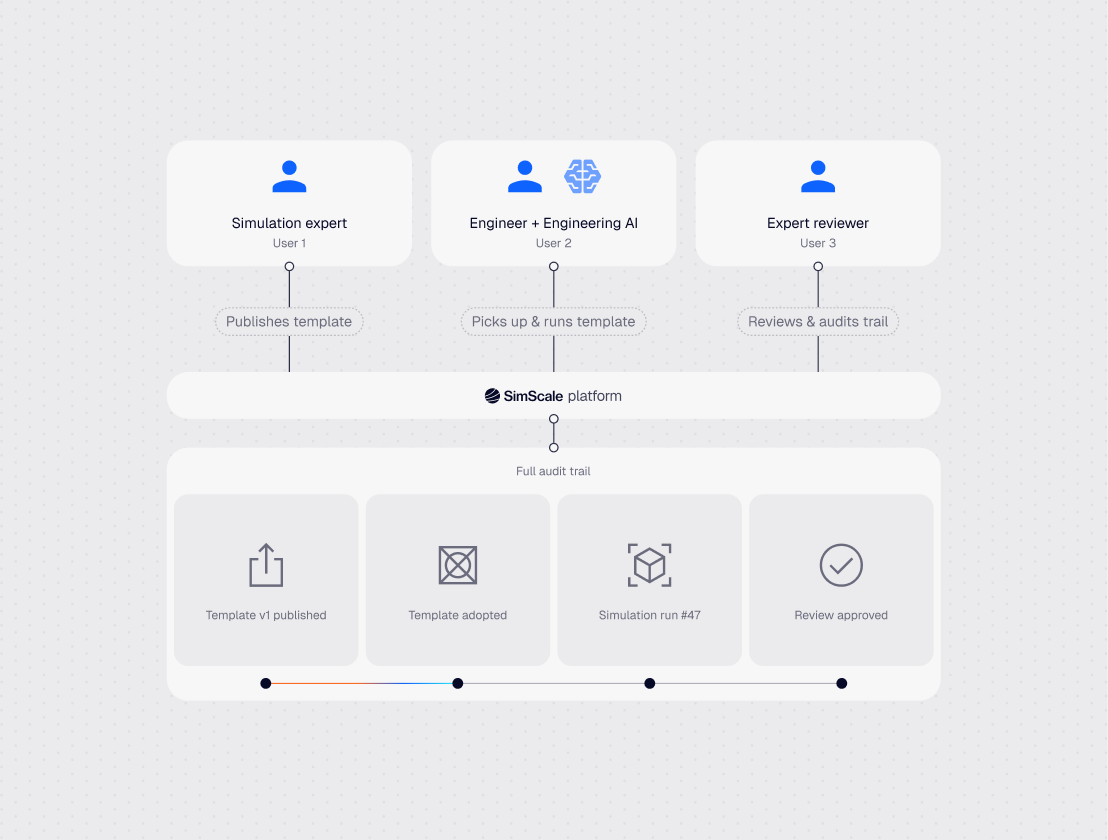
SimScale includes built-in simulation process and data management capabilities. Every simulation run, dataset, and model version is tracked, enabling teams to reproduce results, audit workflows, and maintain compliance with engineering standards. This governance layer is critical when simulation becomes part of automated engineering processes.
Security & compliance
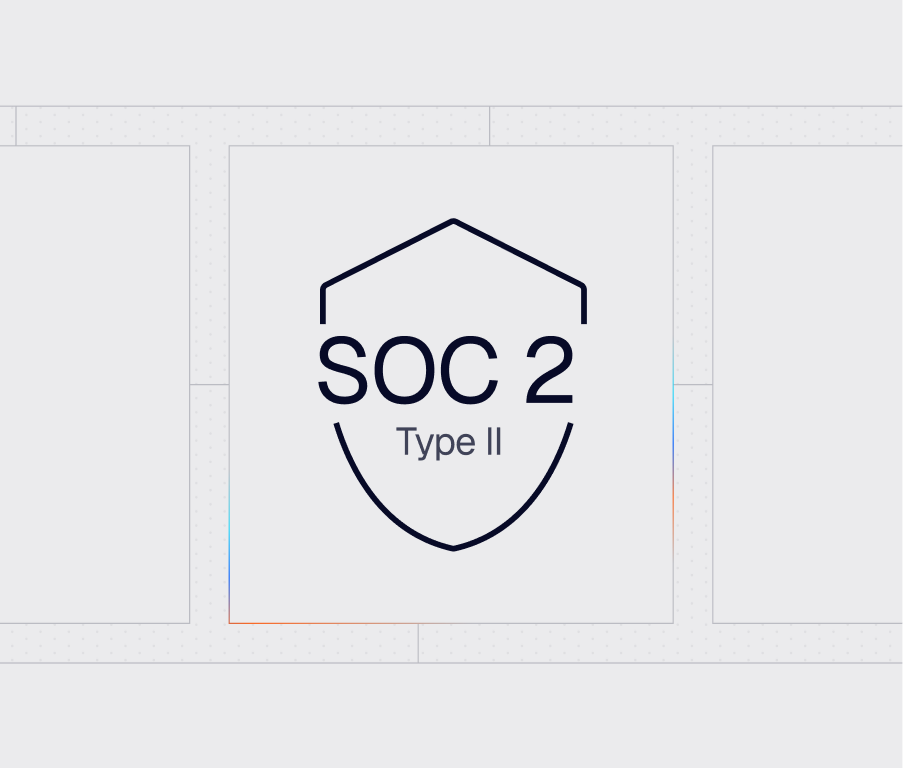
SimScale's cloud infrastructure protects engineering data through encryption, secure authentication, and strict access control. The platform supports enterprise security standards including: TLS encryption, role-based access control, single sign-on (SSO / SAML) and audit logging. These controls ensure engineering IP remains protected across distributed teams.
Browser-native collaboration
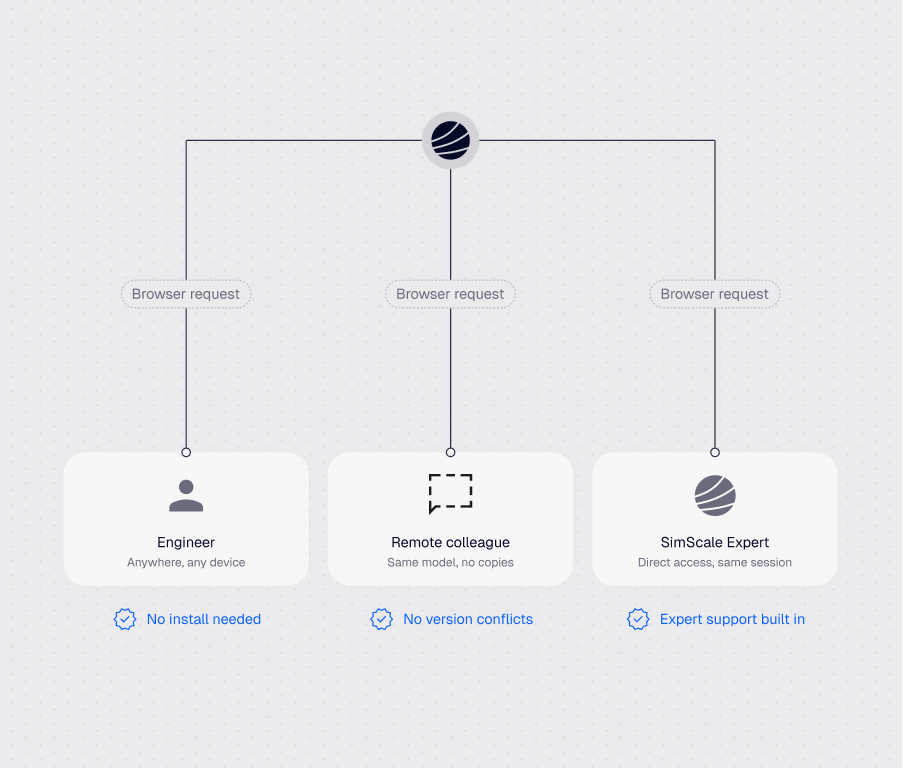
Engineers access simulations, results, and datasets from anywhere through a browser — no software installations, no version conflicts, no data duplication. Because everything runs in the cloud, teams collaborate on the same models in real time, with direct access to SimScale engineering experts when needed.
60
design variants studied in 2 weeks
“The deployment was made very easy for us, due to three key factors: (i) no local installation or hardware required, (ii) easy and secure access with single-sign-on, and (iii) first-class support of the Customer Success and Support team at SimScale.”


4 designs
simulated in parallel
“One other big factor is the speed in which SimScale can deliver results, through its great parallelization capacity. Without SimScale, we wouldn't be able to deliver high-quality results in the required time period.”


3x
faster results vs. local compute
“Being able to run many simulations in parallel on the cloud has been very useful and saved us a lot of time. Using SimScale has reduced our wind turbine testing by weeks. By simulating on the cloud with more cores than on a personal computer, we have been getting results about 3x quicker than if we run it locally, as before.”

No. SimScale provides fully managed HPC access as part of the platform. There's no server procurement, no hardware maintenance, no OS updates, and no HPC IT overhead. All compute infrastructure is managed by SimScale and scales automatically based on demand.
SimScale's cloud infrastructure scales elastically — it allocates exactly the compute resources required for each job, at the moment they're needed. As simulation frequency increases and model sizes grow, the infrastructure scales to match without requiring any configuration changes or capacity planning from the customer. Unlimited simultaneous jobs are supported.
Yes. Because SimScale runs on cloud infrastructure, there's no shared hardware pool to queue against. Multiple engineers can launch simulations simultaneously without waiting for resources to free up — a key difference from on-premise HPC clusters where job queuing is standard.
All simulation data generated on SimScale is automatically saved and backed up. The platform includes built-in security and IP protection, ensuring that sensitive design data remains controlled. Data visibility and traceability features provide a complete audit trail of what was run, by whom, and when — supporting both compliance requirements and AI training readiness.
Simulation experts can create vetted, templated workflows and deploy them across the organization to ensure less experienced users follow established best practices. Approvals and review workflows can be set up to enforce quality control checkpoints before simulations are accepted or results are acted on.
Explore technology
Understand how SimScale connects simulation, AI, and cloud infrastructure into a unified engineering platform.
Orchestration Layer
Coordinate simulation, AI, and external tools into automated, adaptive engineering workflows.
Simulation & AI Engine
Core simulation and AI capabilities that power physics-based analysis, AI inference, and design exploration.
Integration API
Connect simulation to your engineering stack with APIs, dataflows, and agent-driven workflows.


Start simulating in minutes, not weeks
Get started today with AI-native engineering simulation