Simulation & AI Engine
High-fidelity multiphysics simulation accelerated with AI
SimScale’s Simulation & AI Engine combines validated multiphysics solvers with Physics AI to deliver accurate engineering insights at unprecedented speed.
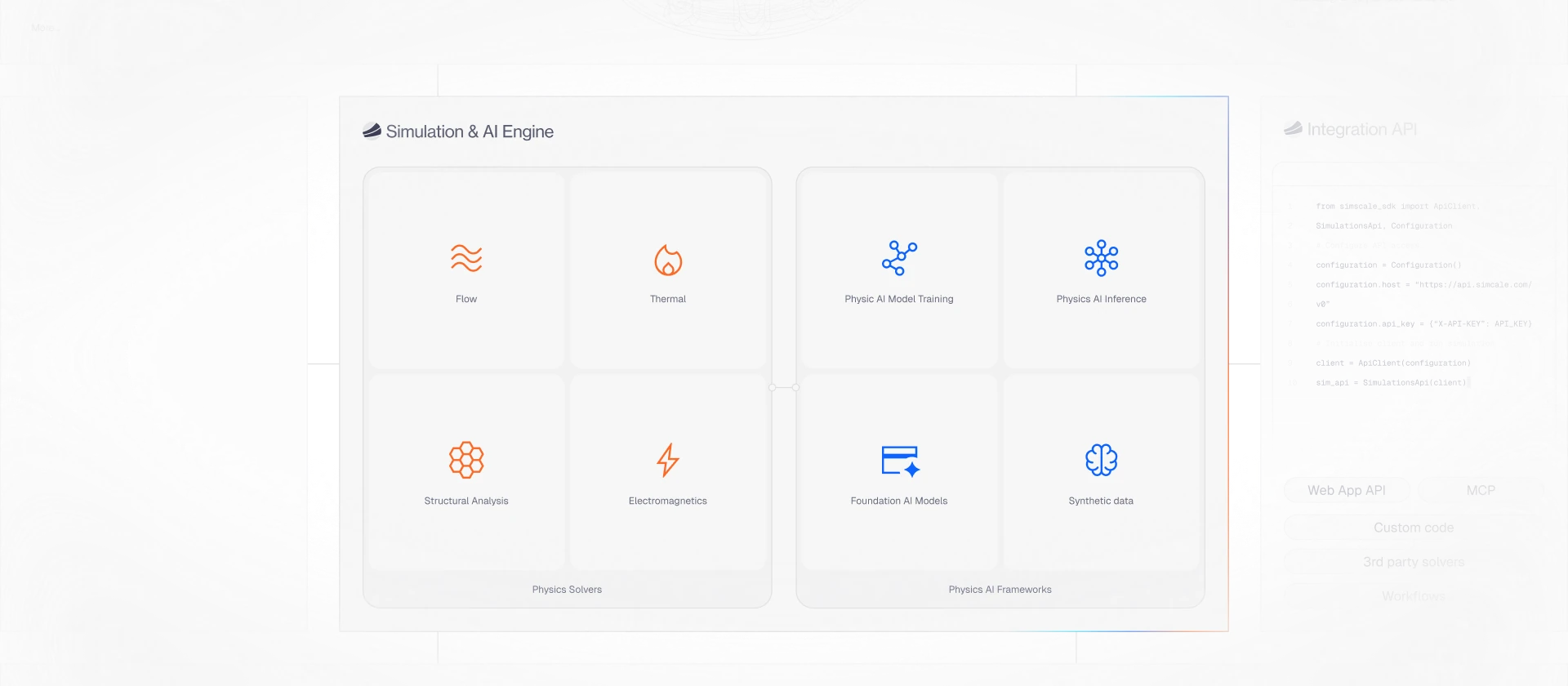












Platform capabilities
The capabilities that combine high-fidelity multiphysics solvers with Physics AI models to generate accurate engineering insights.
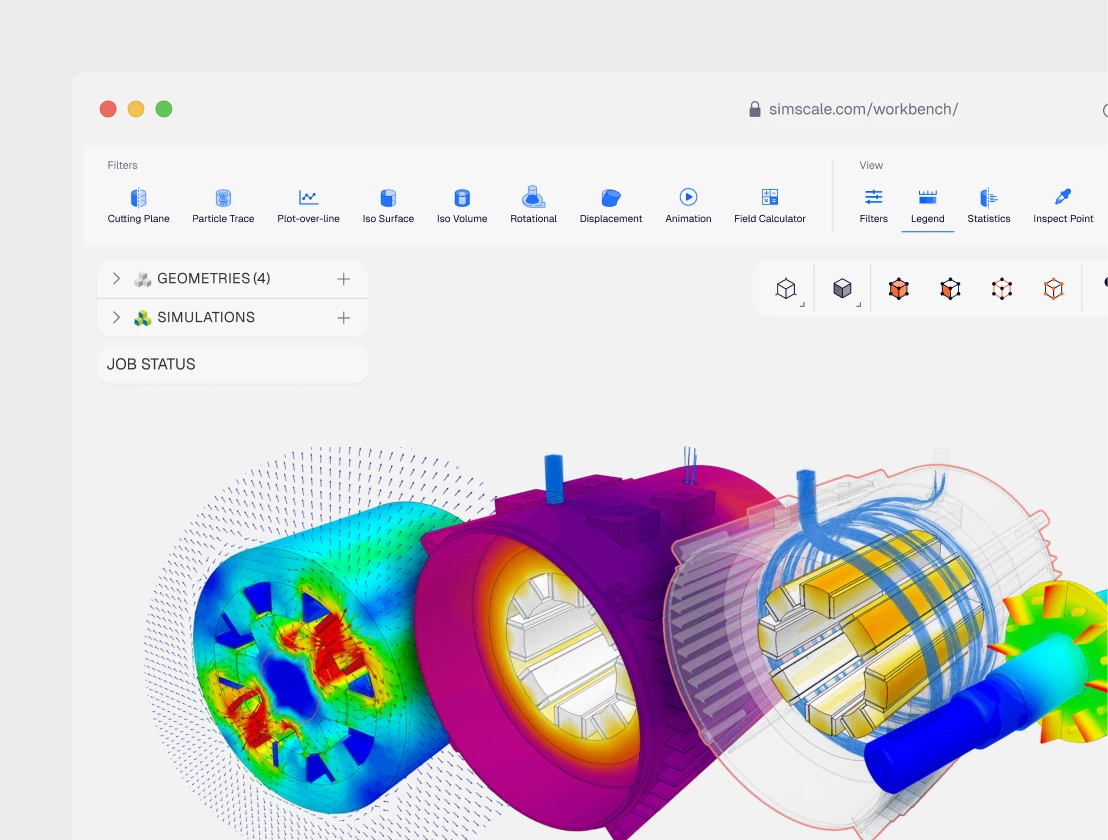
Solvers & connectors
SimScale integrates high-fidelity solvers across fluid dynamics, structural mechanics, thermal systems, electromagnetics, and multiphysics, providing the physical accuracy required for engineering validation and design optimization. The platform is open by design: third-party solvers, models, and data sources can be connected alongside SimScale's native capabilities, so teams aren't locked into a single physics stack.
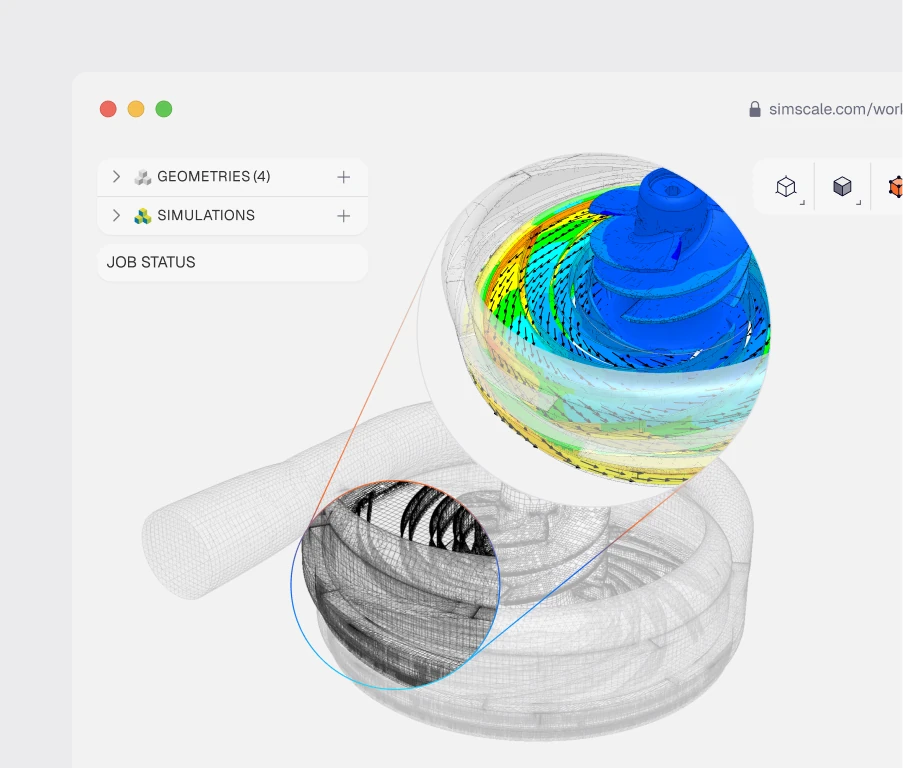
Pre and post processing
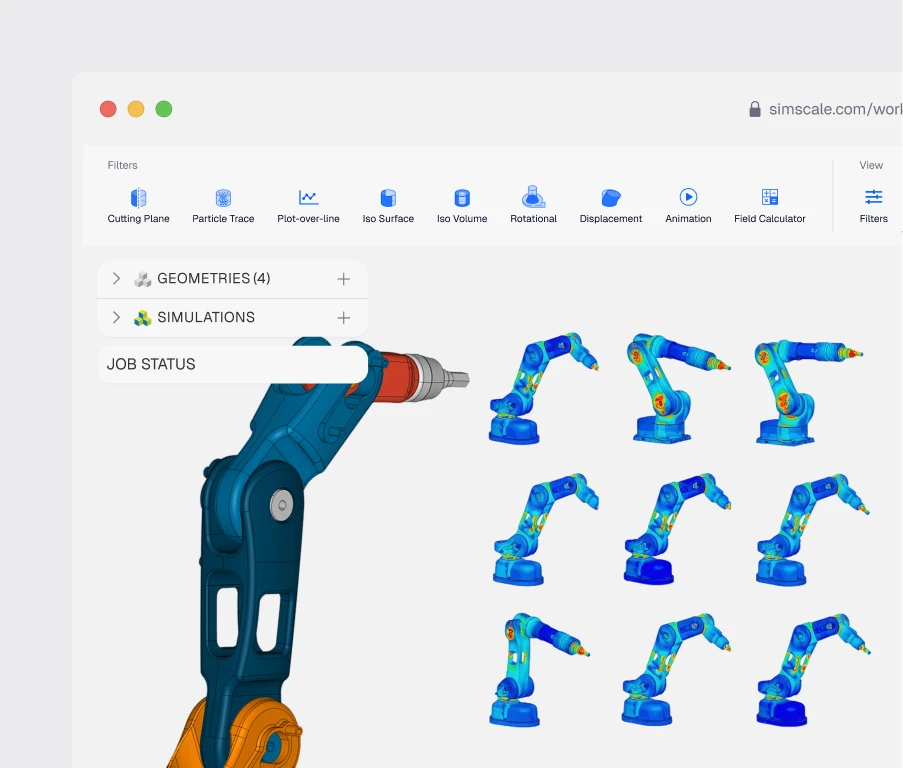
CAD preparation, meshing, and results analysis are integrated directly into the simulation environment. Engineers can prepare models, inspect results, and visualize complex physics behaviour without relying on external pre and post processing tools.
Simulation data generation
Large-scale simulation runs generate structured datasets representing real physical behaviour. These datasets form the foundation for Physics AI training and enable cloud-scale exploration of large engineering design spaces — with thousands of variants evaluated in the time a single traditional solve would take.
Physics AI foundation models
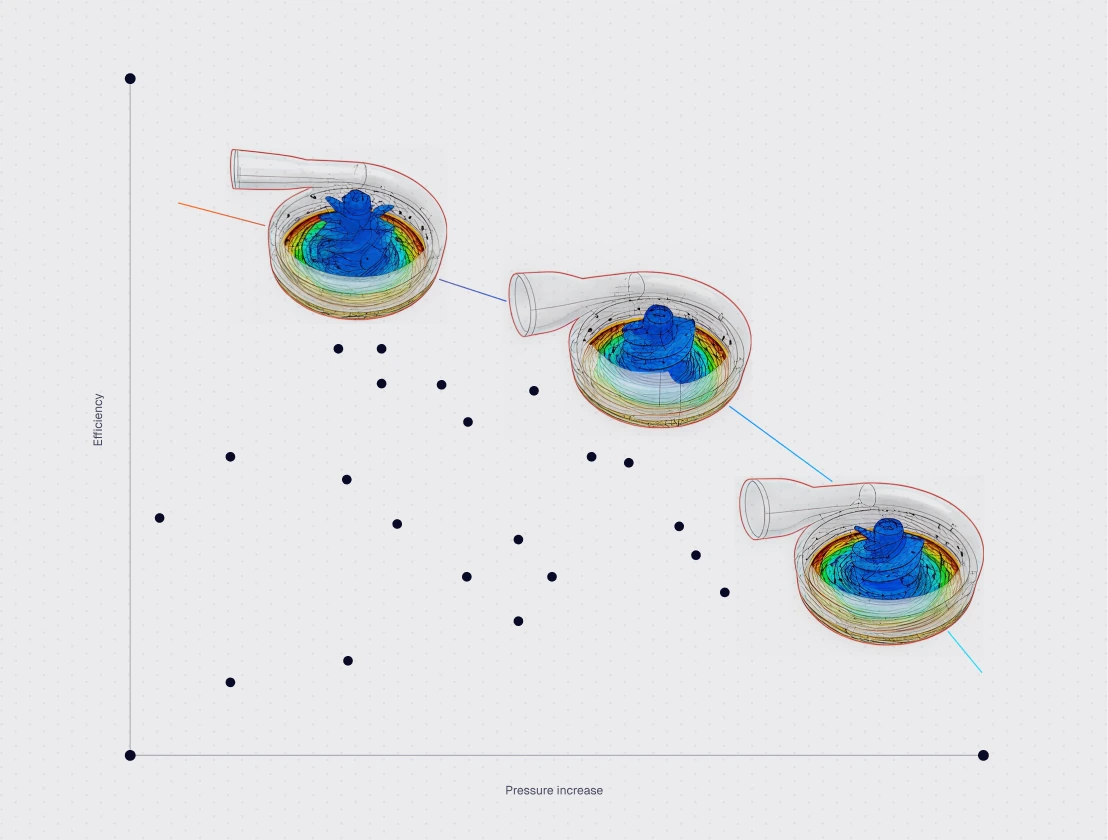
Physics AI foundation models learn relationships between geometry, materials, and physical performance using high-fidelity simulation data. These models provide instant predictions that accelerate design exploration while maintaining strong alignment with underlying physical principles.
Hybrid AI–physics architecture
Speed without sacrificing accuracy. The Simulation & AI Engine combines neural networks with validated physics solvers: AI handles rapid exploration, solvers handle final validation, and engineers stay in control of when to use each.
Inference APIs
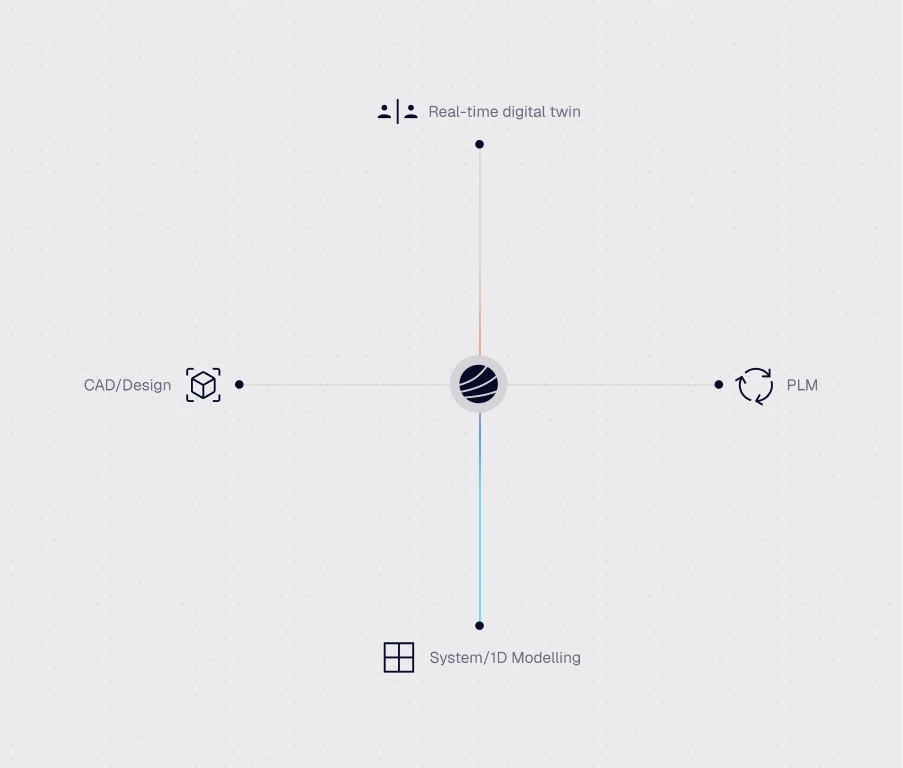
Physics AI predictions and Engineering AI agents can both be accessed through scalable APIs, bringing simulation intelligence directly into external tools or agentic workflows. This enables rapid feasibility checks, automated optimization loops, and digital twin applications without leaving your existing engineering stack.

1 hour
Thousands of design variants explored
“We now have an AI model that can generate a new optimized design in under an hour, and I have complete confidence in the results.”


94%
drop in cooling fan power required
“With SimScale we found our ideal balance between ease of use, variety of capabilities, and the ability to handle complex physics. However, we came to appreciate SimScale's customer service as the most welcome benefit of all: their expert involvement allowed even less experienced engineers to run reliable simulation studies.”


$10k+
cost savings
“To get the results from a scale model testing program would have taken 1-2 months and cost £10k for each iteration of the design. With SimScale, we were able to run simulations in just under an hour and make small design changes and run again, this condensed the iterative design process down to several days.”

It's the AI layer built into SimScale's cloud-native platform, not bolted on as a feature, but embedded across the entire simulation workflow. It consists of two components: Physics AI, which delivers near-instant performance predictions using deep learning models trained on simulation data, and Engineering AI, an agentic assistant that automates simulation setup, execution, and guidance.
SimScale's Physics AI delivers predictions up to 2,700x faster than traditional solvers. In practice, this means engineers can evaluate 60 or more design variants in under 60 seconds — work that would otherwise require hours or days of compute time per variant.
Physics AI models are trained on validated CFD and FEA simulation data, so their predictions reflect physics-grounded results rather than statistical approximations. Accuracy depends on how well the model's training data spans the design space being explored. For early-stage screening and parametric exploration, accuracy is sufficient for confident decision-making. For final sign-off or critical engineering decisions, full-fidelity simulation is used.
No. SimScale's approach blends AI speed with solver accuracy. Physics AI handles rapid exploration and early-stage validation; traditional physics solvers handle high-fidelity analysis when accuracy is critical. Engineers can move between the two within the same platform without exporting data or changing tools.
Yes. SimScale is designed as an open platform. Physics AI predictions can be accessed via API integration for use in external design tools or optimization frameworks. Engineering AI supports agent-to-agent interaction with third-party workflow orchestration setups, making it composable with broader engineering ecosystems.
Explore technology
Understand how SimScale connects simulation, AI, and cloud infrastructure into a unified engineering platform.
Orchestration Layer
Coordinate simulation, AI, and external tools into automated, adaptive engineering workflows.
Integration API
Connect simulation to your engineering stack with APIs, dataflows, and agent-driven workflows.
Cloud Infrastructure
Scalable, secure cloud compute designed to run large simulation workloads and AI models in parallel.
Start simulating in minutes, not weeks
Get started today with AI-native engineering simulation