Mechanical Ventilation Simulation
Design mechanical ventilation systems that deliver fresh air, hit ASHRAE 62.1, and prove it before the building opens.
Cloud-native CFD for supply, exhaust, and balanced MVHR systems. Map airflow, CO₂, and thermal comfort across whole rooms, floors, and exterior re-entrainment zones — not just zonal averages. Every variant runs in parallel, on demand, with no workstation per engineer.
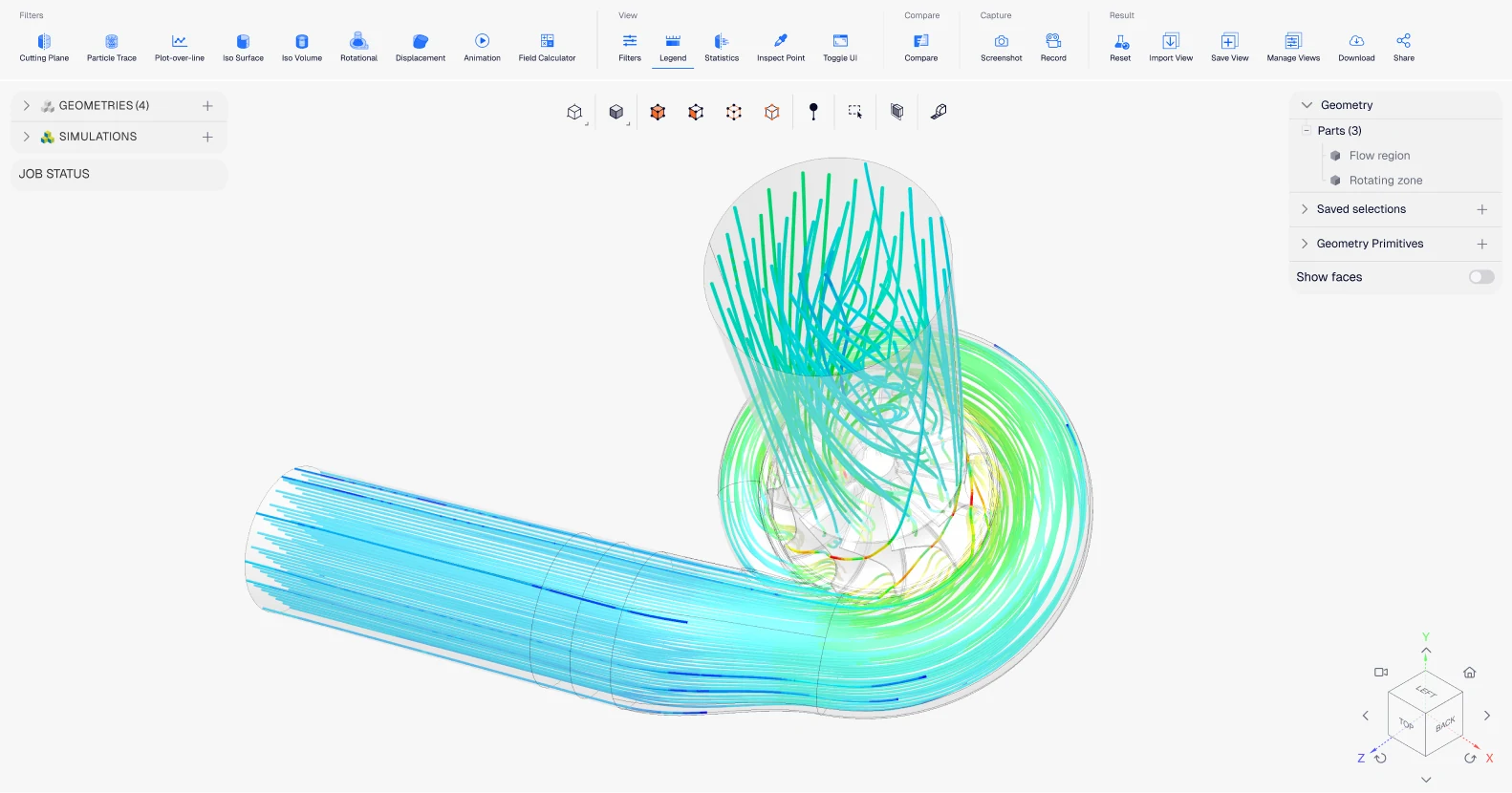












Mechanical ventilation has to hit a code-driven fresh-air rate, hold thermal comfort across an occupied space, and stay inside an energy budget — and on tight projects, that proof has to land before the building opens. Zonal energy models give time-series averages but not the spatial detail engineers actually need: where CO₂ accumulates, where the supply jet fails to mix, where exhaust gets pulled back into the AHU intake. SimScale runs full-room and full-building CFD in the cloud, in parallel, so design teams can validate supply, exhaust, and balanced MVHR systems against ASHRAE, Passivhaus, and healthcare codes before any ductwork ships.
Full-physics mechanical ventilation simulation — supply, exhaust, balanced MVHR, and re-entrainment in one cloud platform
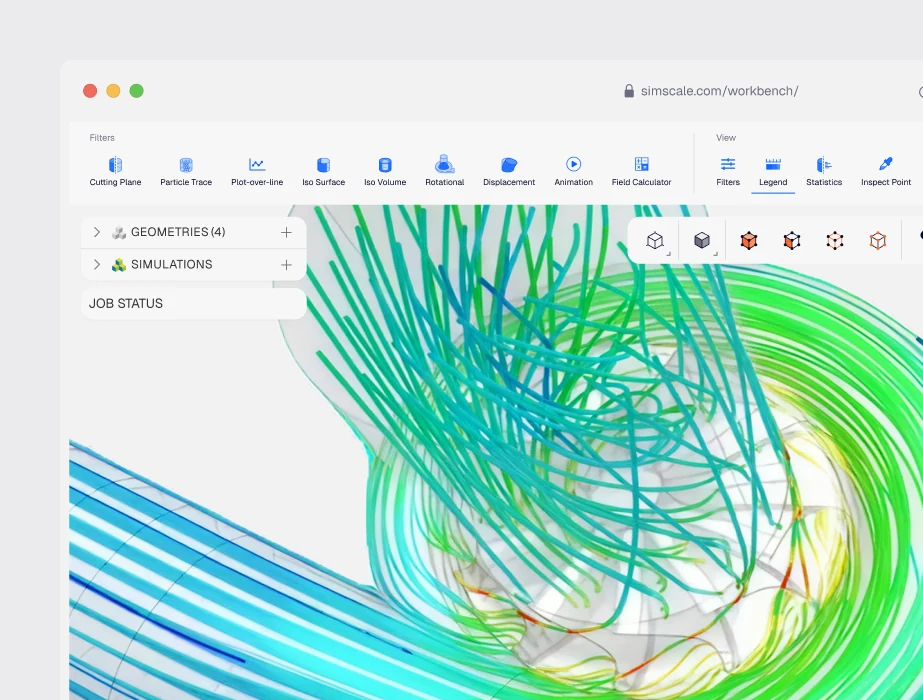
Multiphysics: airflow, CO₂, thermal comfort, and re-entrainment in one run
Run convective heat transfer (CHT) on the occupied space with passive scalar transport for CO₂ and pollutants. Capture supply-air velocity, mean age of air, PMV/PPD, draft risk, and exhaust plume dispersion in a single simulation. The FFE healthcare workflow used exactly this combination — CHT v2 plus OpenFOAM passive scalar — to visualise carbon-monoxide concentration plumes between exhaust stacks and AHU intakes.
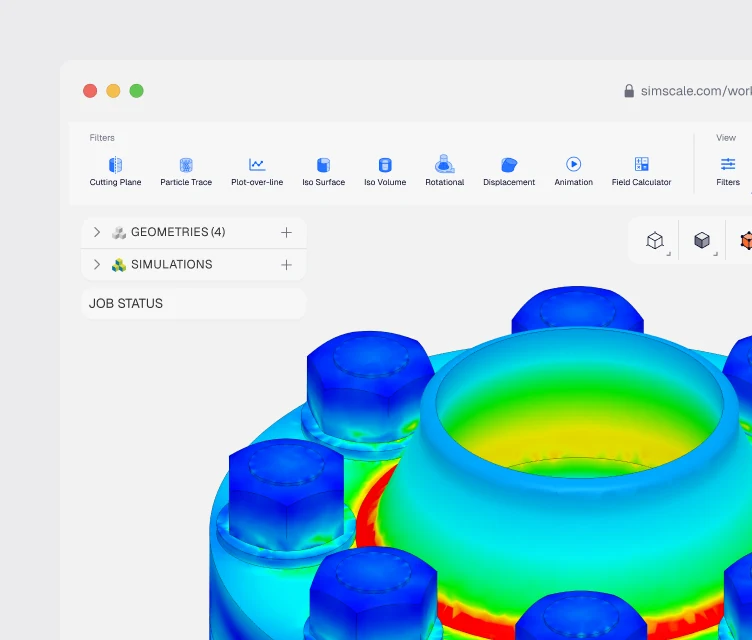
AI: Faster setup, faster iteration
Use AI-assisted meshing to handle complex room geometries, diffuser arrays, and exterior building envelopes. Move from Revit/STL import to first ventilation result in hours, not days. Architype and AirIDEA both run Revit-to-STL imports directly into SimScale.
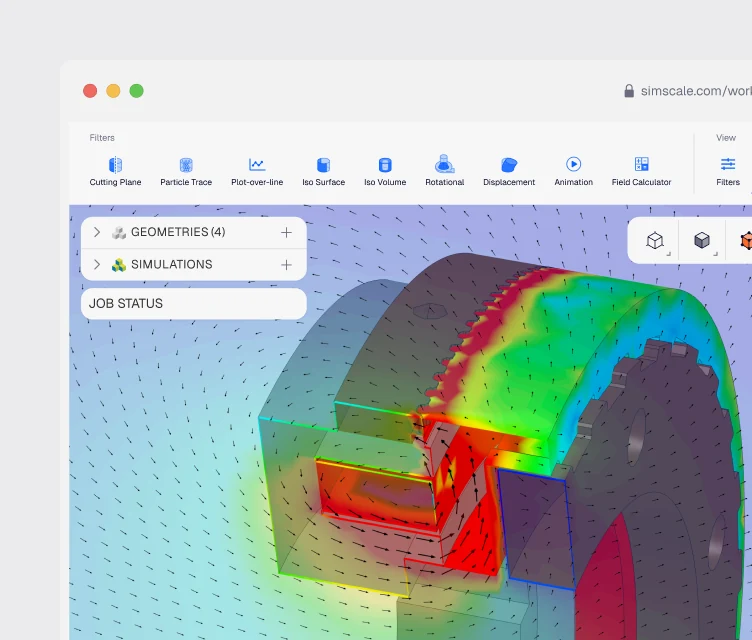
Cloud: Every variant runs in parallel
No queue, no dedicated workstation. Run dozens of diffuser placements, supply flow rates, window-open scenarios, and exhaust-stack heights simultaneously. Architype compared a base case, an enhanced louvre directing air to the ceiling, and a windows-open natural-ventilation case all in parallel — exactly the workflow Passivhaus and high-performance design teams need.
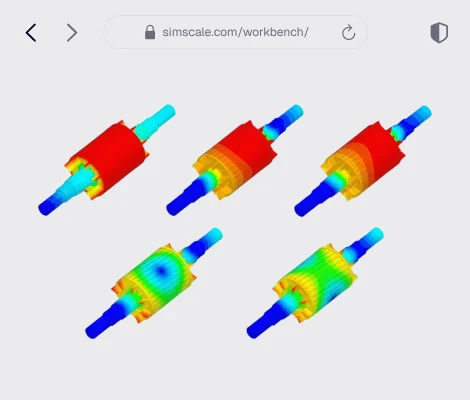
ASHRAE 62.1 / 62.2 code-compliant ventilation design
Validate ventilation rate procedure (VRP) and indoor air quality procedure (IAQP) designs against ASHRAE 62.1 (non-residential) and 62.2 (residential / whole-house) before installation. CFD answers the spatial questions energy models cannot: where does fresh air actually reach occupants, where does CO₂ accumulate, where does mean age of air exceed targets.
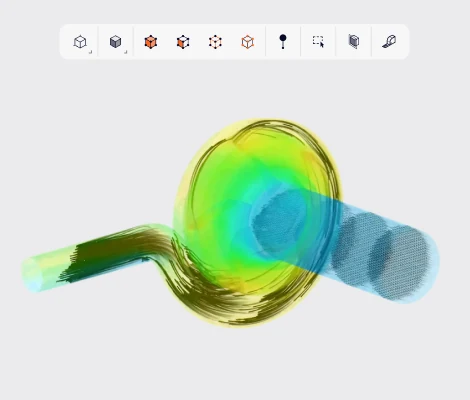
Balanced supply + extract with MVHR / heat recovery
Model balanced supply-and-extract systems with heat recovery exchangers — the workhorse approach for Passivhaus and high-performance buildings. Validate that airflows are balanced (preventing localised mould), confirm heat recovery effectiveness, and explore variants in parallel.
Healthcare exhaust re-entrainment and code compliance
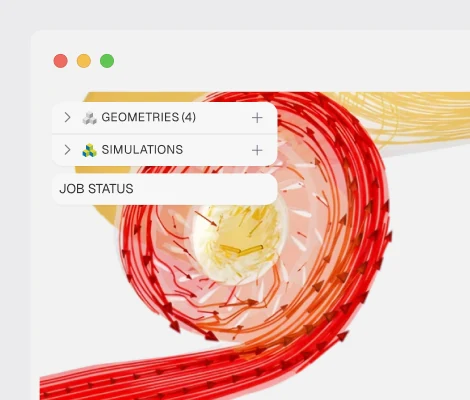
Assess re-entrainment risk between exhaust stacks, kitchen and lab exhausts, and nearby AHU intakes and mechanical louvres across multiple wind directions and speeds. The FFE healthcare-facility kitchen renovation workflow used CHT v2 plus OpenFOAM passive scalar modelling, four wind directions, three wind speeds, and CO/pollutant isovolumes to confirm exhaust contaminants were not pulled into AHU intakes.

1 hour
Thousands of design variants explored
“I’m a big fan of SimScale and want to use it more. Moving from being a reseller to a product developer was a big risk and with the power and accuracy of SimScale and their support, we have been more confident in developing our own products. I now have three new products in the development pipeline that will launch in the coming months… Basically, with SimScale, we have been empowered to innovate.”
Sławomir Milewski
1 hour
Thousands of design variants explored
“We now have an AI model that can generate a new optimized design in under an hour, and I have complete confidence in the results.”

1 hour
Thousands of design variants explored
“We now have an AI model that can generate a new optimized design in under an hour, and I have complete confidence in the results.”
Related resources

Alex Graham
June 16, 2026
Multi-agent workflows: key takeaways from Design & Simulation Week 2026
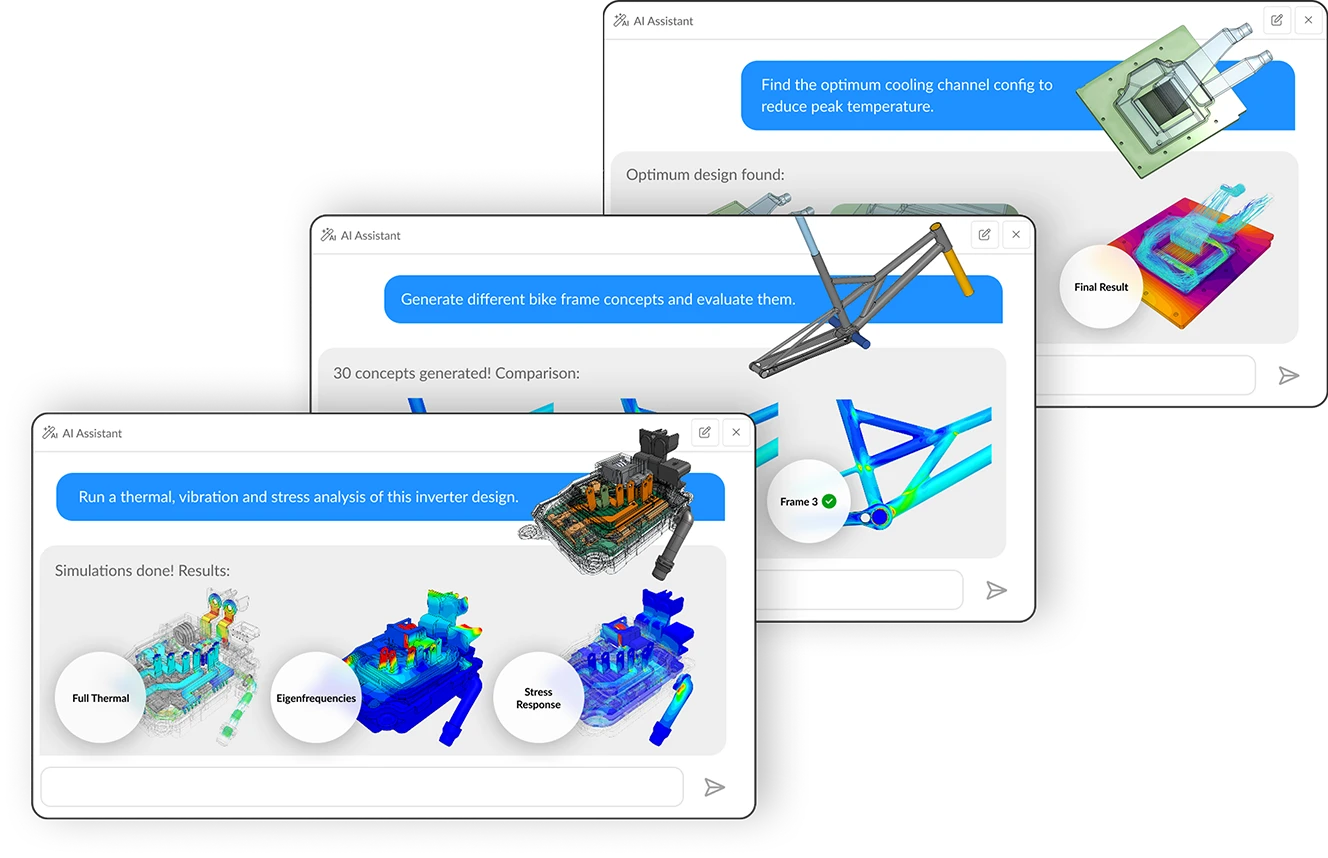
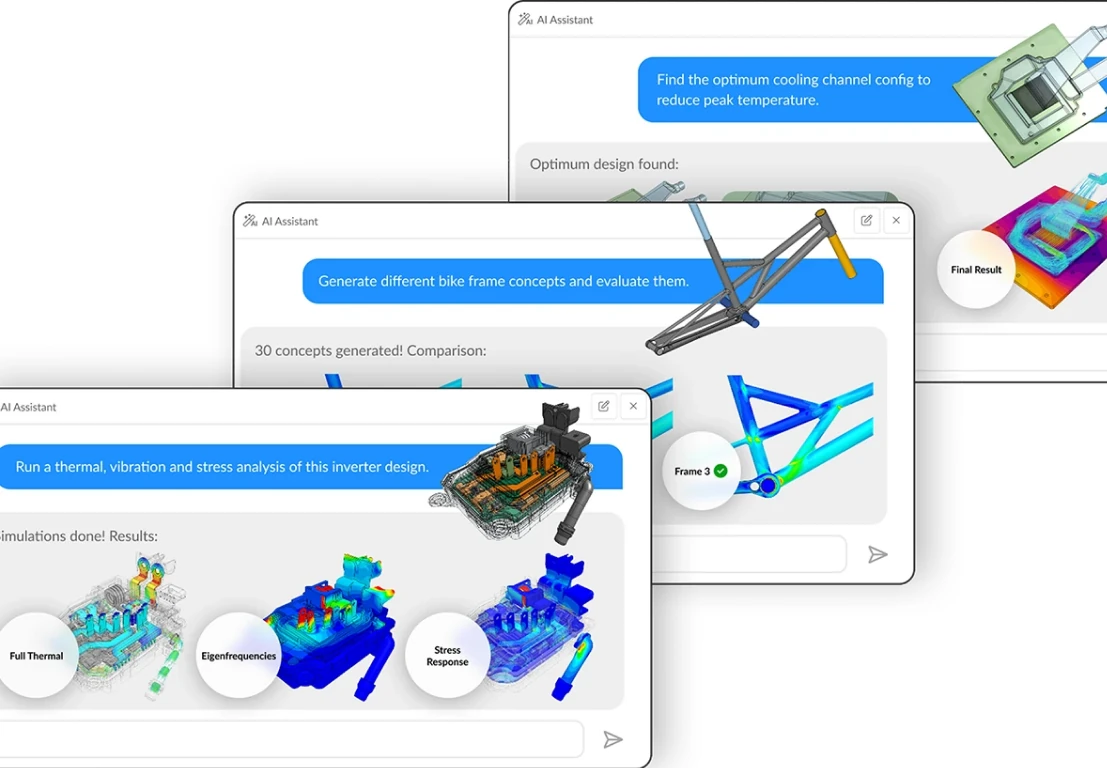
SimScale and CoLab demonstrated live AI agent collaboration at Design & Simulation Week 2026, cutting engineering review and simulation lead times dramatically.
Alex Graham
June 12, 2026

SimScale Workflows: Why we are opening up the platform (& why you should care)
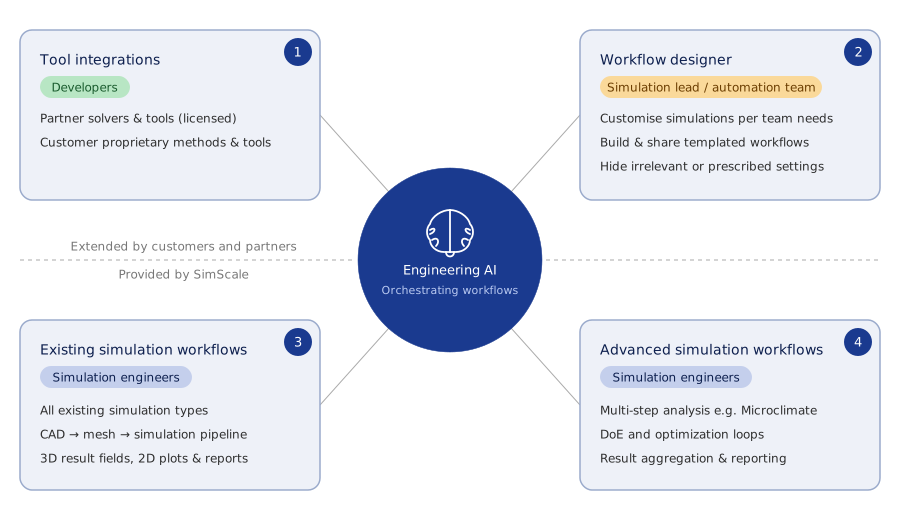
SimScale Workflows opens its platform to custom solvers and tools, enabling automated, AI-driven multi-step engineering simulation pipelines for any organization.
Alex Graham
May 29, 2026



Luis Goncaves
June 18, 2026
Luis Goncaves
January 27, 2026

Paras Ghumare
December 4, 2025


Jon Wilde
June 16, 2026


David Heiny
June 15, 2026
Jon Wilde
June 3, 2026

Peter Selmeczy
March 24, 2026
Peter Selmeczy
September 10, 2025
Peter Selmeczy
June 25, 2025
Peter Selmeczy
May 29, 2026
SimScale handles supply-only, exhaust-only, and balanced (with or without MVHR / heat recovery) systems across residential, commercial, institutional, and healthcare buildings. Workflows cover diffuser and louvre optimisation, duct and AHU sizing, room-level airflow and thermal comfort, exhaust stack and re-entrainment analysis, and code-compliance studies against ASHRAE 62.1, 62.2, Passivhaus, and healthcare ventilation standards.
ASHRAE 62.1 (non-residential) and 62.2 (residential) define minimum outdoor-air rates and IAQ requirements. SimScale CFD validates both the ventilation rate procedure (VRP) and the indoor air quality procedure (IAQP) by mapping where fresh air actually reaches occupants, where CO₂ accumulates, and where mean age of air exceeds targets — the spatial detail that energy models cannot resolve.
Energy models like EnergyPlus or IES VE give zonal time-series averages — they are excellent for annual energy demand and heating/cooling load sizing. CFD gives sub-zone spatial answers — where the supply jet fails to mix, where CO₂ pools, where draft risk peaks, where exhaust plumes get re-entrained into AHU intakes. The two are complementary, not substitutes.
Yes. Balanced supply-and-extract systems with heat recovery exchangers — common in Passivhaus and high-performance buildings — can be modelled directly in SimScale. The platform validates balanced airflow rates (critical for preventing localised mould), captures supply/extract patterns inside the room, and supports parametric sweeps on flow rate and exchanger placement. Architype validated exactly this scenario for a Passivhaus classroom.
SimScale is cloud-native, runs every variant in parallel, and combines CFD with thermal comfort and passive scalar transport in a single browser-based platform — no dedicated workstation required. Energy modellers (IES VE, EnergyPlus) cover zonal time-series and code calculations but not sub-zone spatial detail. Desktop CFD tools (Ansys Fluent, OpenFOAM directly) cover the spatial detail but require workstation hardware and longer setup. SimScale uses OpenFOAM solvers under the hood — FFE's healthcare workflow ran CHT v2 with OpenFOAM passive scalar modelling — but delivers them in a cloud-native UX accessible to architects and HVAC engineers, not just CFD specialists.