With the worlds of engineering simulation, AI and accelerated computing converging ever further, GTC has become a big event in our calendar. With over 30,000 attendees, 1,000 sessions, and of course the keynote from Jensen Huang that declared AI “essential infrastructure, comparable to electricity,” GTC 2026 made one thing unmistakably clear: the agentic and physical AI era has arrived.
The perfect venue to announce a new solver coming to SimScale
If you were watching the opening keynote, you might have caught a glimpse of it, alongside other cool visualizations of engineering simulation. SimScale’s GPU-accelerated SPH capabilities appeared on the biggest screen in the SAP Center — a brief but significant nod to the role that physics simulation plays in the AI-native engineering stack NVIDIA is building. It was a proud moment for the team.
What we announced: Meshless, GPU-powered simulation — in the cloud.
The week’s centerpiece for SimScale was the launch of our strategic partnership with AI Engineering GmbH, bringing the PAMICS® SPH solver into the SimScale platform. Running on NVIDIA GPU infrastructure, this integration eliminates the meshing bottleneck that has historically made complex fluid dynamics simulations slow, manual, and inaccessible — delivering speeds ~20x faster than traditional grid-based methods.
For engineering teams working on rotating machinery, industrial mixing, or vehicle water management, this is big news. It’s a fundamentally different way to simulate. Engineers can work directly from raw CAD geometry, with no meshing required, kicking off simulations at scale with AI Engineering’s NVIDIA GPU-accelerated solver.
But speed is only part of the story. As John Linford, Director of Industrial Products at NVIDIA, put it on the show floor: the foundation models powering Digital Twins are only as good as the data they’re trained on. Train on low-fidelity data, get low-fidelity AI back. High-fidelity transient simulation data, generated at cloud scale, running hundreds of simulations in parallel, is what makes Physics AI actually work. Combined with NVIDIA PhysicsNeMo and Omniverse-compatible visualization workflows, this is a meaningful step forward in closing the loop between simulation and AI.
What we saw: Agentic Engineering in focus
It was hard to miss the energy around agentic AI at this year’s show. Jensen’s deep dive into OpenClaw — which he called the fastest-growing open-source project in history and an ‘operating system for agentic computers’ — dominated conversations on the floor and chimed exactly with what we’ve been building. SimScale’s Engineering AI has been automating simulation workflows with agentic technology for twelve months already — and the conversations at the booth reflected that. Engineers weren’t asking whether agentic simulation was possible. They were asking how to get started.
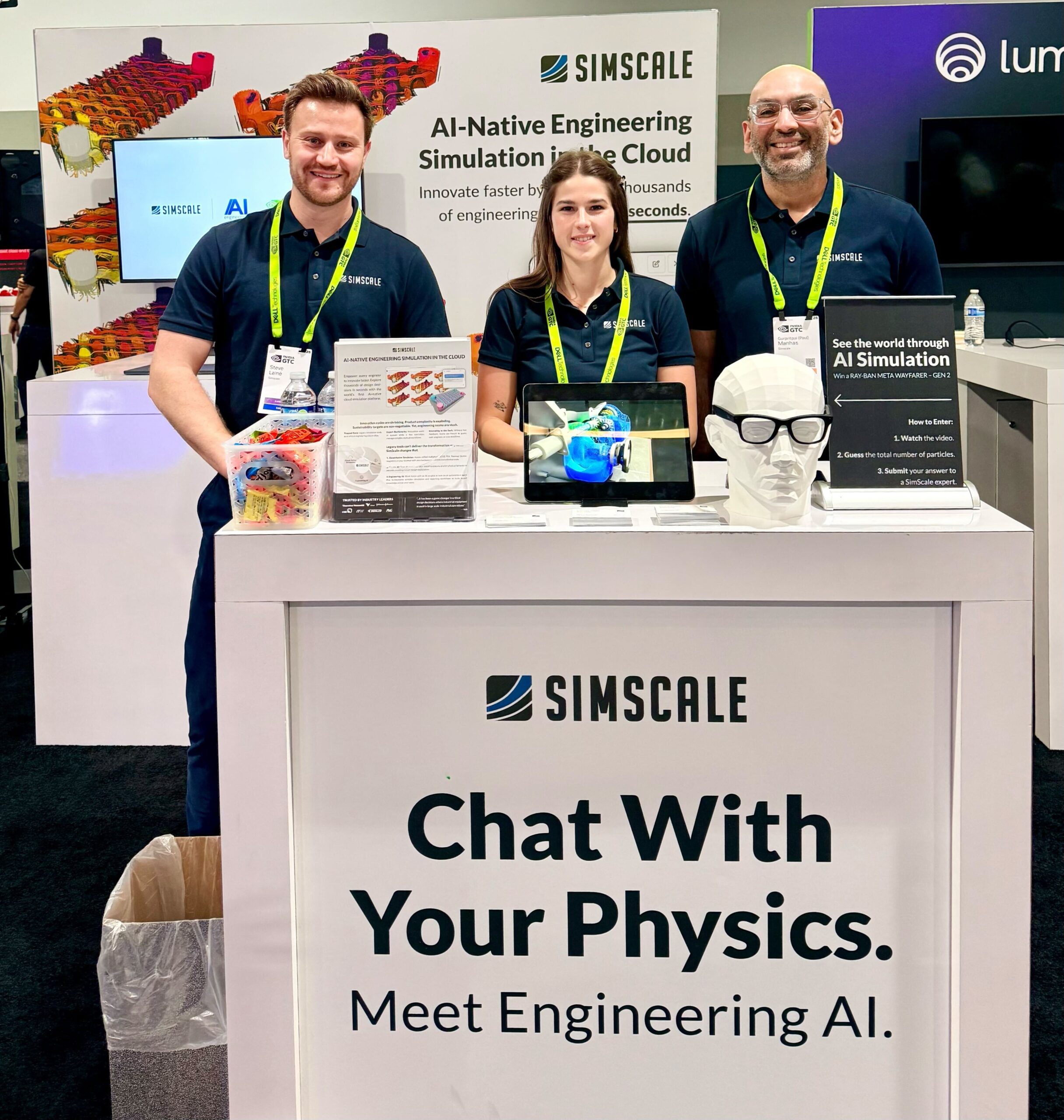
Our team — Dr. Steven Lainé, Paul Manhas, and Chantal Sousa — spent three days on the floor at Booth 168 in San Jose. GTC is always an exciting event and this time was no exception, with the booth team enjoying some great conversations, with many visitors deeply interested in agentic engineering workflows and what they can unlock. Engineers and industry leaders across automotive, manufacturing, and high-tech came to find out how to get their hands on SPH simulation in SimScale. We strengthened existing partnerships and started new ones.
As Steve put it wrapping up the final day: “So many great conversations with engineers, innovators, and industry leaders.”
What GTC 2026 confirmed for us
Jensen Huang made it plain during the keynote: every company now needs an agentic strategy, in the same way every company once needed an internet strategy. His thesis that every company will need AI infrastructure seems to be just as relevant for hardware engineering as it is for software. For SimScale, GTC 2026 confirmed that we’re building in the right direction: agentic engineering workflows, Physics AI, and synthetic data at scale – all live on SimScale and in production with customers and getting more capable every day.
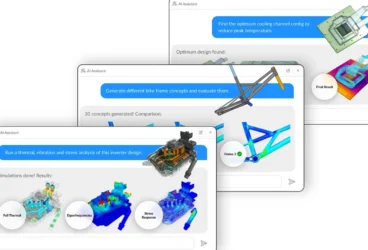
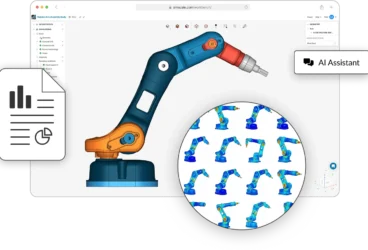
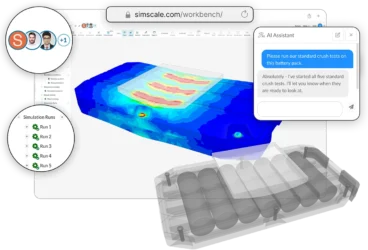
The meteoric rise of OpenClaw is compelling food for thought, and amply demonstrates the interest in agentic workflows. SimScale’s Engineering AI is a specialised agent that automates simulation setup, orchestrates workflows, and performs autonomous simulation and analysis. Crucially, it operates within defined guardrails, with the governance, auditability, and human oversight that engineering teams and their stakeholders need to trust it with real decisions.
Perhaps the most telling signal that the whole industry is moving that way came from conversations on the show floor. When engineers and industry leaders ask where to start with Digital Twins, the consistent answer isn’t to build it in-house — it’s to find a platform partner who can build it with you.
Missed us at the show? Click below to book a conversation with our team….