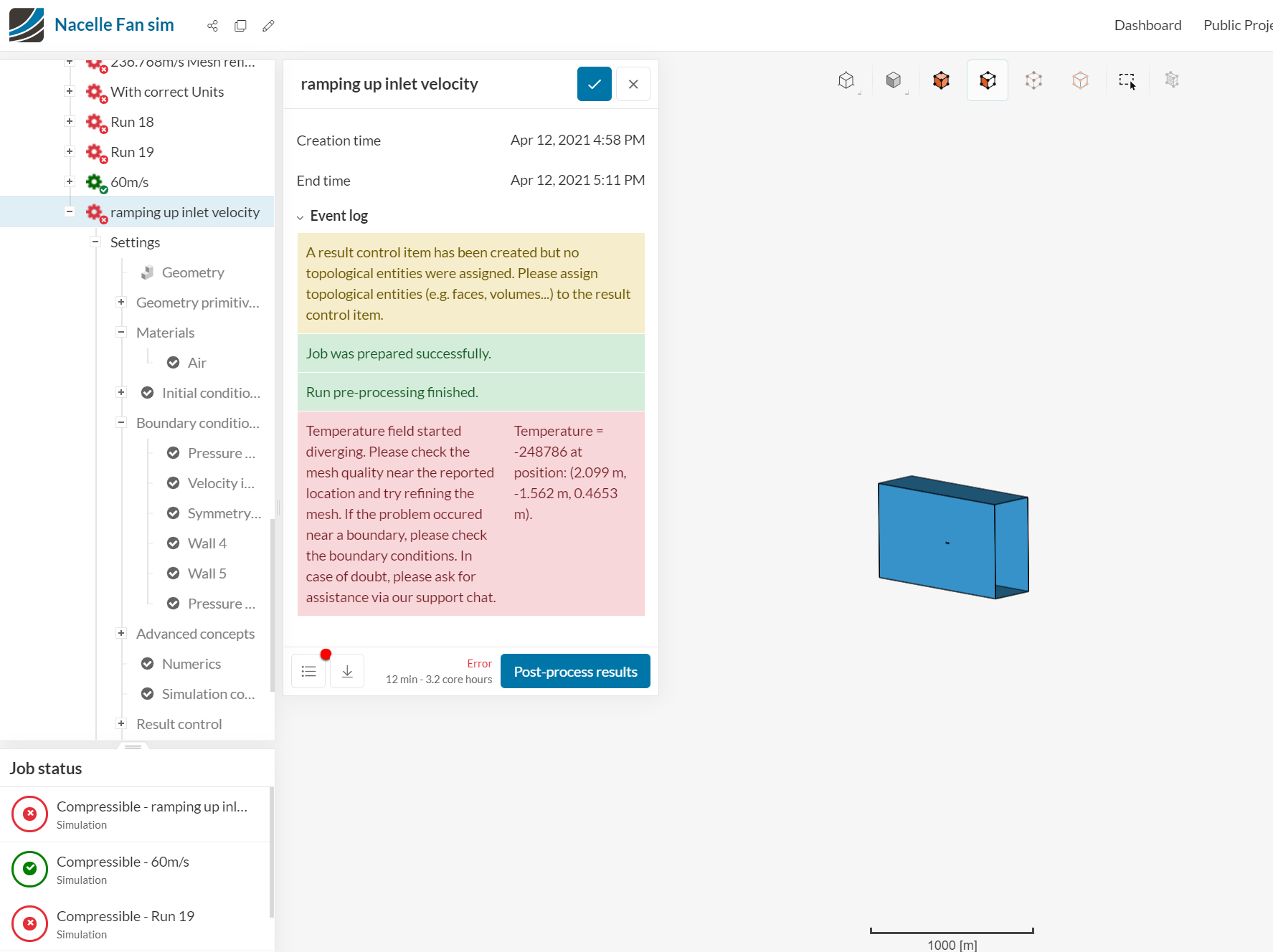
I have run multiple simulation and have got some results howeverm the last simulation that was run had a temperature divergence. I already refined my mesh by a lot and i am not sure how to fix this. It failed on Simulation Runs named "236.768m/s Mesh Refined”. Is there any way of fixing this.
I have run the simulation and it still gave me a temperature divergence. I have check all the units and they are all correct now. But temperature divergence still remains.
The outlet pressure on the fluid domain is 23842Pa, this is just the static pressure at an altitude of 10670 m.
I thought i wont require making a void inside the solid body as i only wanted to simulate the inlet area. I will try and simulate it with the void however, i would require a mass flow at the fan. Is it possible to define a boundary condition on the fan where the fan would not be a solid body but a fluid acting like a fan suction.
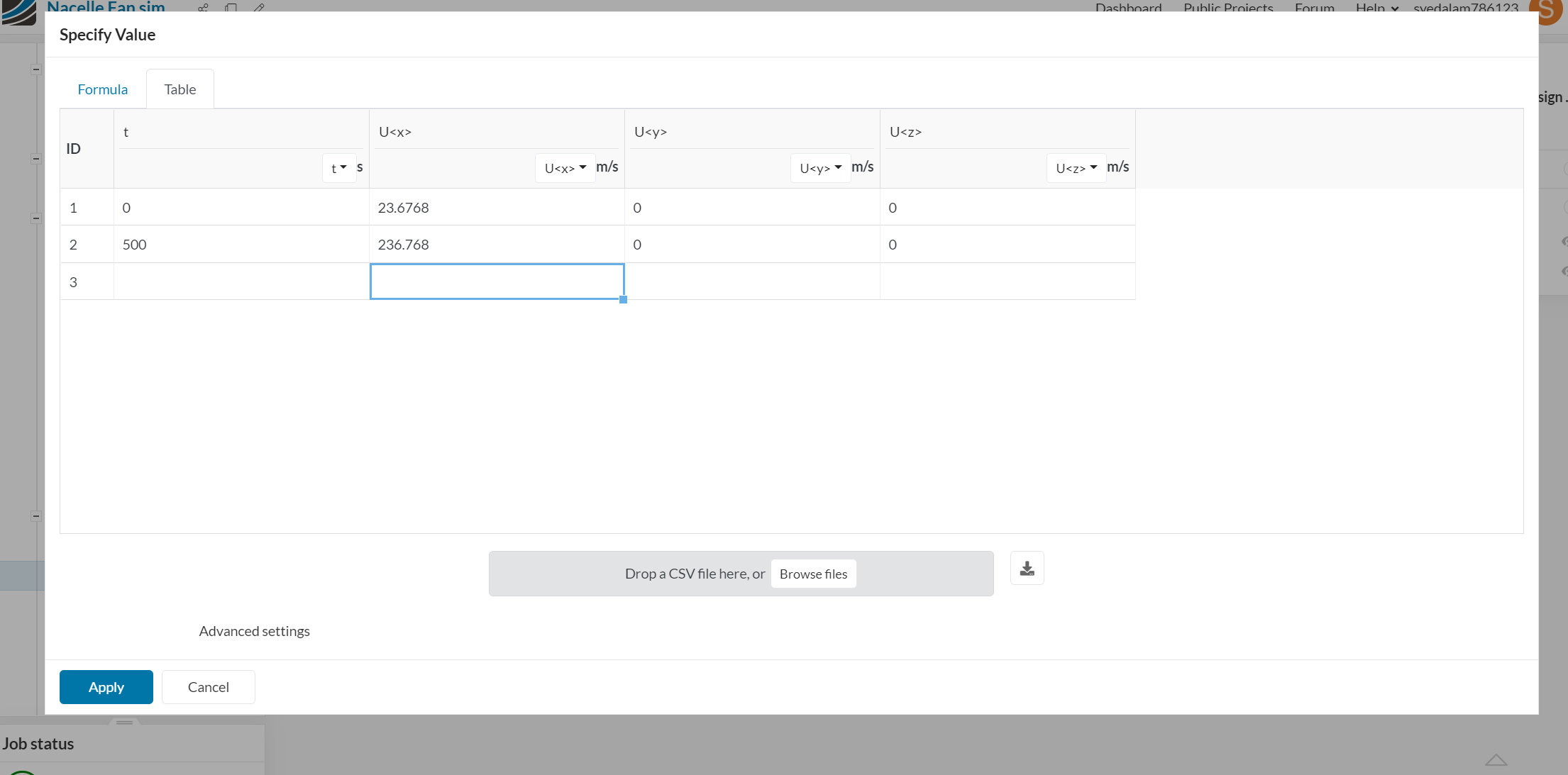
Perhaps ramping up your inlet velocity from zero to the max value over a number of iterations (say 500) could help with the convergence in the compressible simulation.
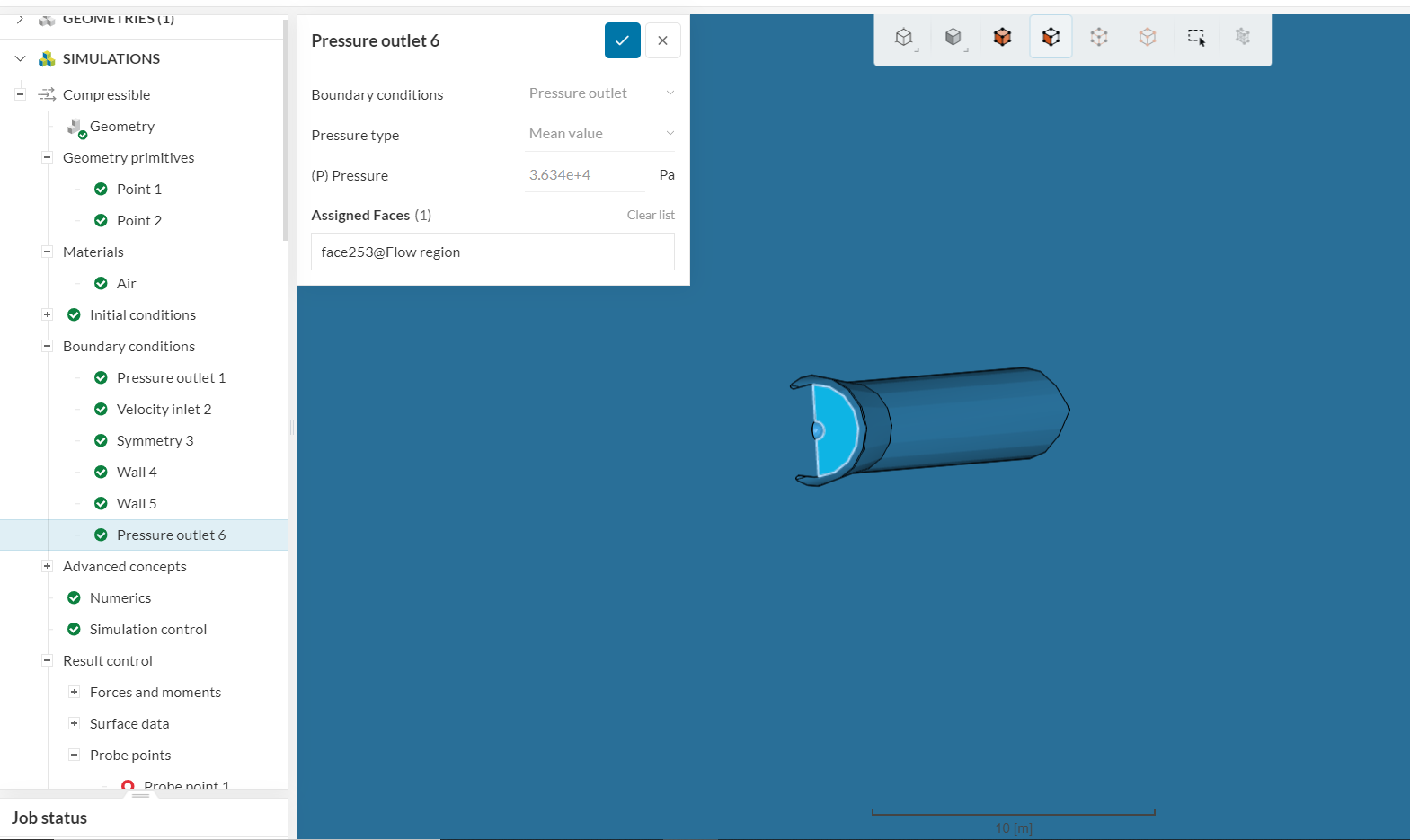
A pressure outlet generally represents fluid going out of the system (in this case, it would mean flow entering the inner part of the rocket, which doesn’t make a lot of sense). If you pay close attention to the divergence region, it’s always very close to this face in particular.
I’d suggest reviewing the boundary conditions, in particular “Pressure outlet 6”, which seems to be causing problems.
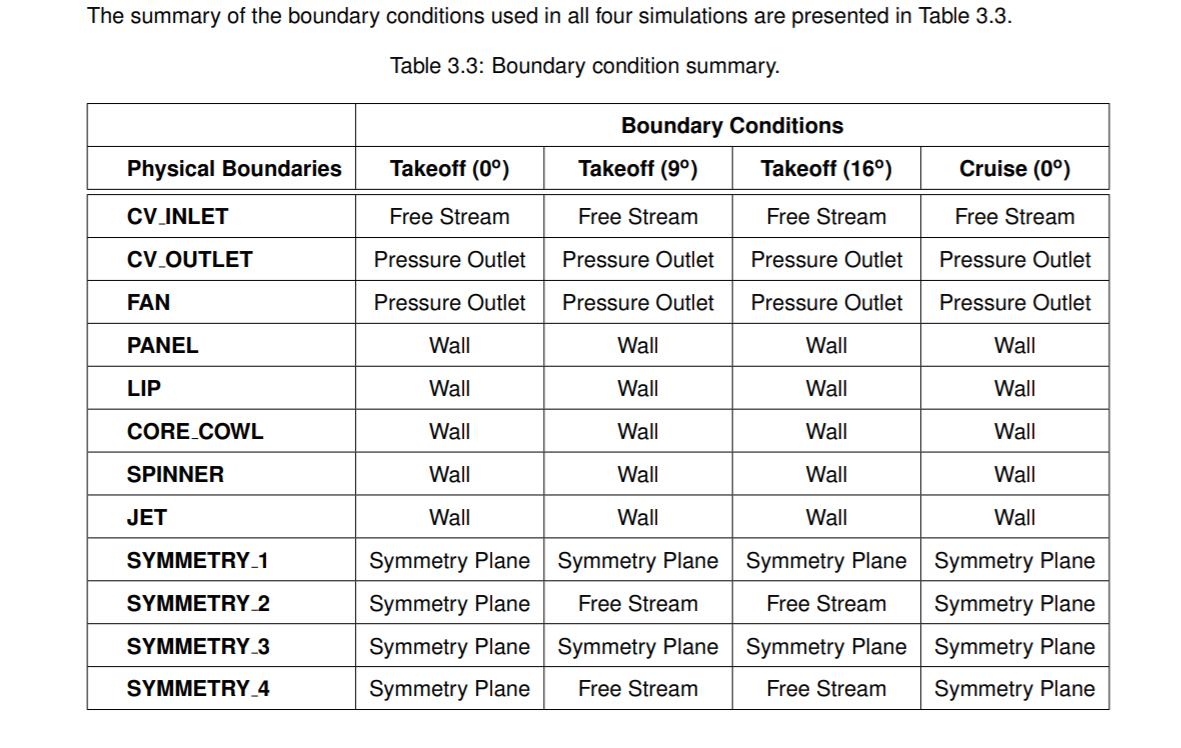
The reason for this boundary condition at the fan plane is for simulating how a fan would act if it was simulated. For my project i wont require simulating the fan, core or exhaust of the engine as the main area of focus is the inlet of the turbofan.
From literature, someone placed a pressure outlet boundary condition at the fan plane.
Removing that boundary condition (or at least replacing it with a more fitting option) would be a good idea. With the current settings, we are defining a pressure outlet to a face that we know for a fact that will act as an inlet.
To me sounds very unconventional (and it also causes the simulation to break, since we a lot of backflow).